Activated Carbon Adsorber for Laboratory Exhaust
Why Activated Carbon Adsorber for Laboratory Exhaust needs process data
For Activated Carbon Adsorber for Laboratory Exhaust, PureAirTek evaluates the exhaust source before discussing model size or price. Laboratory exhaust is usually small but sensitive; material compatibility and odor control can matter more than large equipment capacity.
For Activated Carbon Adsorber for Laboratory Exhaust, activated carbon adsorber is only a starting direction; confirm it against the actual factory stream: low concentration VOC, odor or intermittent organic exhaust.
Application conditions for Activated Carbon Adsorber for Laboratory Exhaust
| Item | What to verify |
|---|---|
| Pollutant | low concentration VOC, odor or intermittent organic exhaust |
| Core equipment | activated carbon adsorber |
| Sizing data | gas temperature below adsorption limit, humidity level, pre-filter condition |
| Engineering check | carbon bed thickness, expected replacement cycle |
Equipment route for this application
A practical route may include source capture, pre-filtration, activated carbon adsorber, fan matching and discharge arrangement. The equipment route for Activated Carbon Adsorber for Laboratory Exhaust changes if the exhaust is dry dust, sticky mist, corrosive gas, high-temperature gas or organic vapor.
Mistakes to avoid on Activated Carbon Adsorber for Laboratory Exhaust
- Do not ignore expected replacement cycle when comparing suppliers for this project.
- Do not ignore pre-filter condition when comparing suppliers for this project.
- Do not ignore humidity level when comparing suppliers for this project.
- For Activated Carbon Adsorber for Laboratory Exhaust, check the service side of the equipment before approval; the maintenance door, media replacement path and discharge area should match the selected machine.
Related PureAirTek equipment for Activated Carbon Adsorber for Laboratory Exhaust
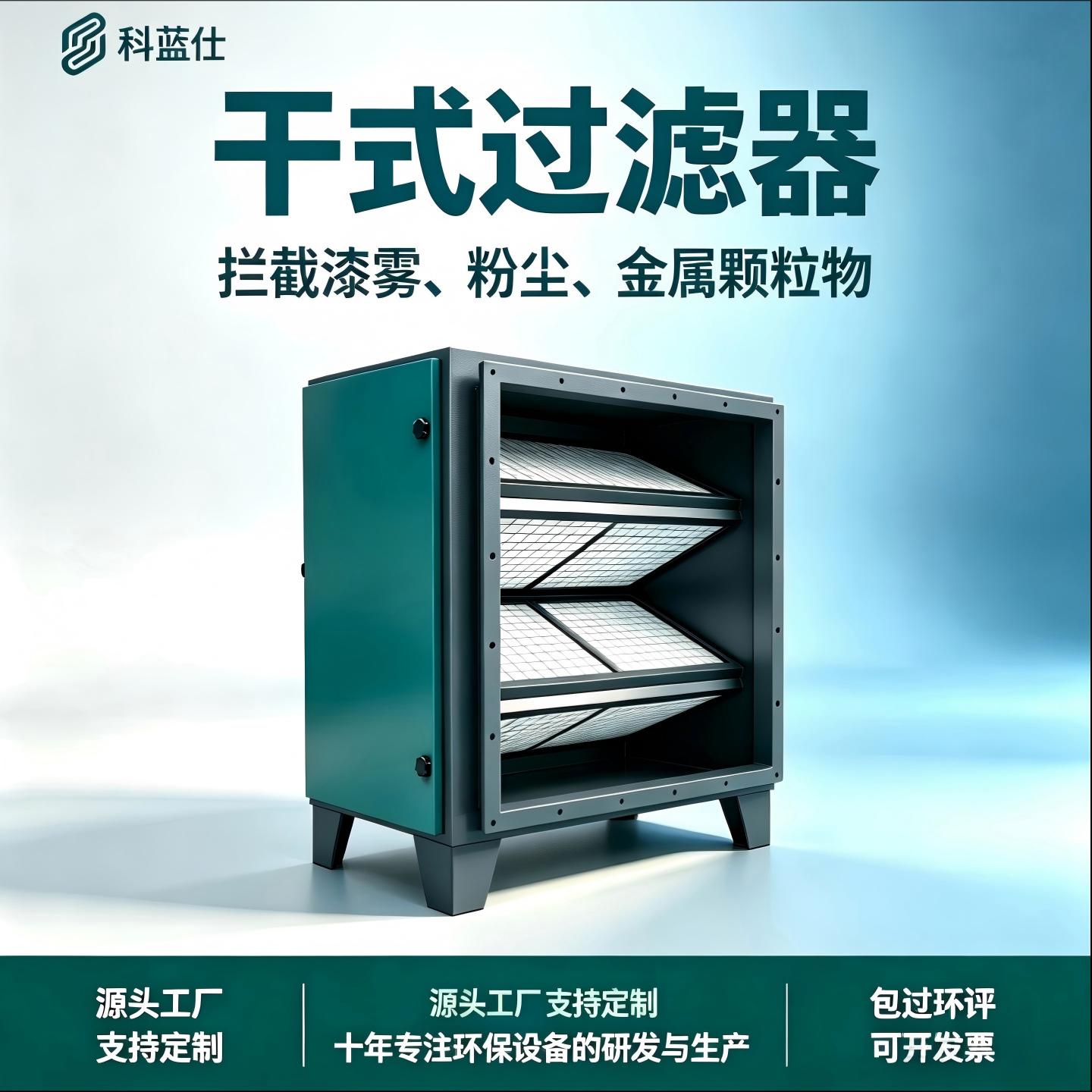
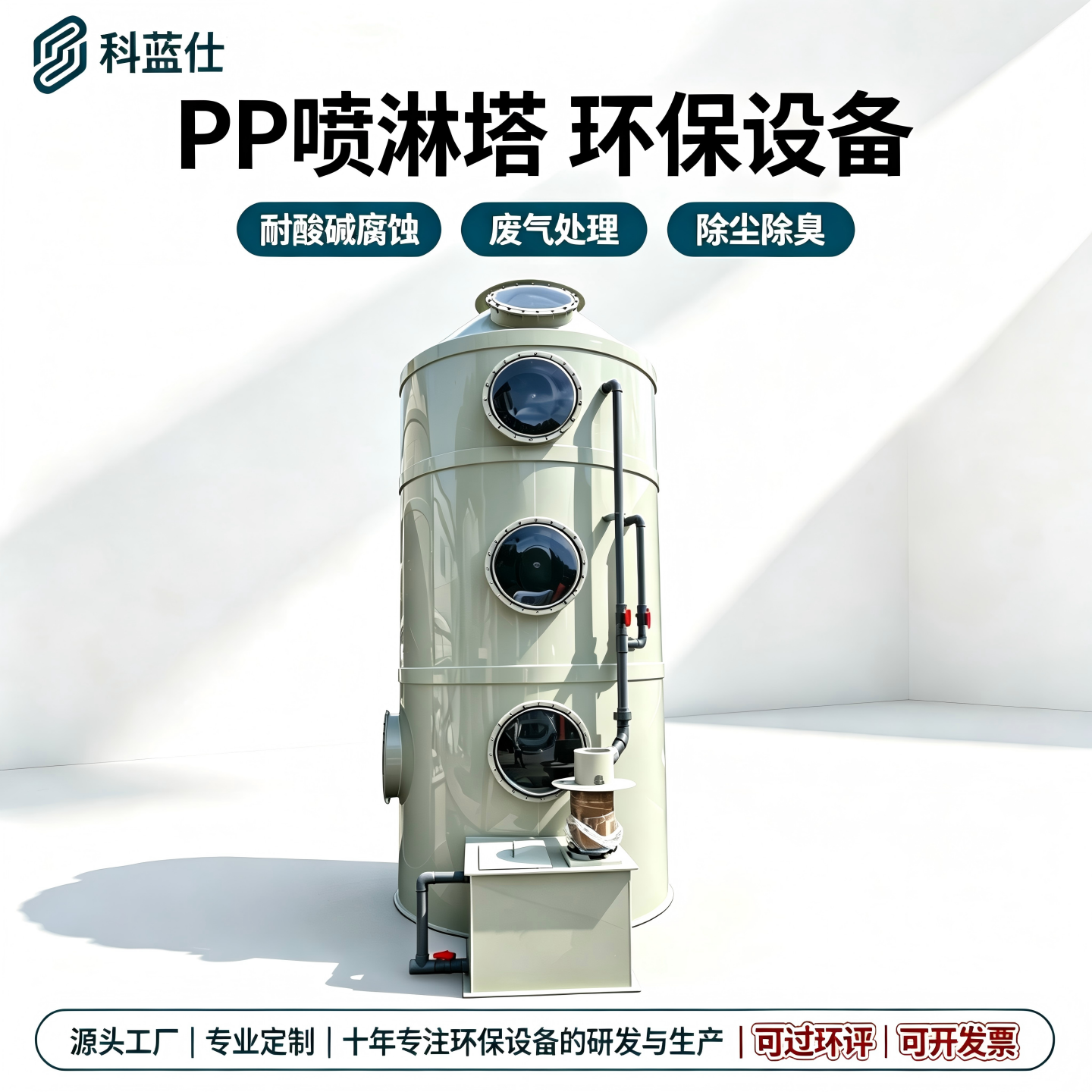
Relevant product categories include activated carbon adsorbers, dry filter boxes, spray tower scrubbers, RCO catalytic oxidizers, industrial exhaust fans. For Activated Carbon Adsorber for Laboratory Exhaust, compare the machine structure, material choice and application limit against the real exhaust source before asking for the final quotation.
Field-style example for Activated Carbon Adsorber for Laboratory Exhaust
Consider a factory asking about Activated Carbon Adsorber for Laboratory Exhaust with 6 exhaust points around a powder transfer point. A first-pass airflow may be around 25,700 m3/h, but the useful design question is whether the capture hood, duct route and treatment equipment can keep that airflow after several weeks of operation. For this case, PureAirTek would check organic vapor, estimated gas temperature near 74 C, and whether the selected material should be painted steel with service doors.
Engineering checks for Activated Carbon Adsorber for Laboratory Exhaust
For Activated Carbon Adsorber for Laboratory Exhaust, the engineering point is adsorption bed contact time. If the project ignores dry filter protection, the buyer may see poor hood capture even when the equipment name sounds correct. That is why Activated Carbon Adsorber for Laboratory Exhaust should include a review of pressure loss, service access and the treatment limit of the selected machine.
Quotation notes for Activated Carbon Adsorber for Laboratory Exhaust
- temperature
- pollutant name
- destination voltage
- duct route
- humidity
For this article topic, the quotation should explain what is included and what is not included: equipment body, fan, control cabinet, consumables, packing, shipping volume and installation boundary. A price without these boundaries is difficult to compare and can lead to wrong supplier selection.
Quality threshold for Activated Carbon Adsorber for Laboratory Exhaust
This Activated Carbon Adsorber for Laboratory Exhaust page is useful only when it helps the buyer make a real decision about odor and low VOC adsorption. It should not repeat a generic dust/VOC paragraph. This Activated Carbon Adsorber for Laboratory Exhaust guide should connect the buyer problem to organic vapor, the equipment boundary and the next data needed for a confident recommendation.