Send airflow, pollutant type, material preference, voltage and destination. PureAirTek will recommend suitable industrial equipment and quote range.
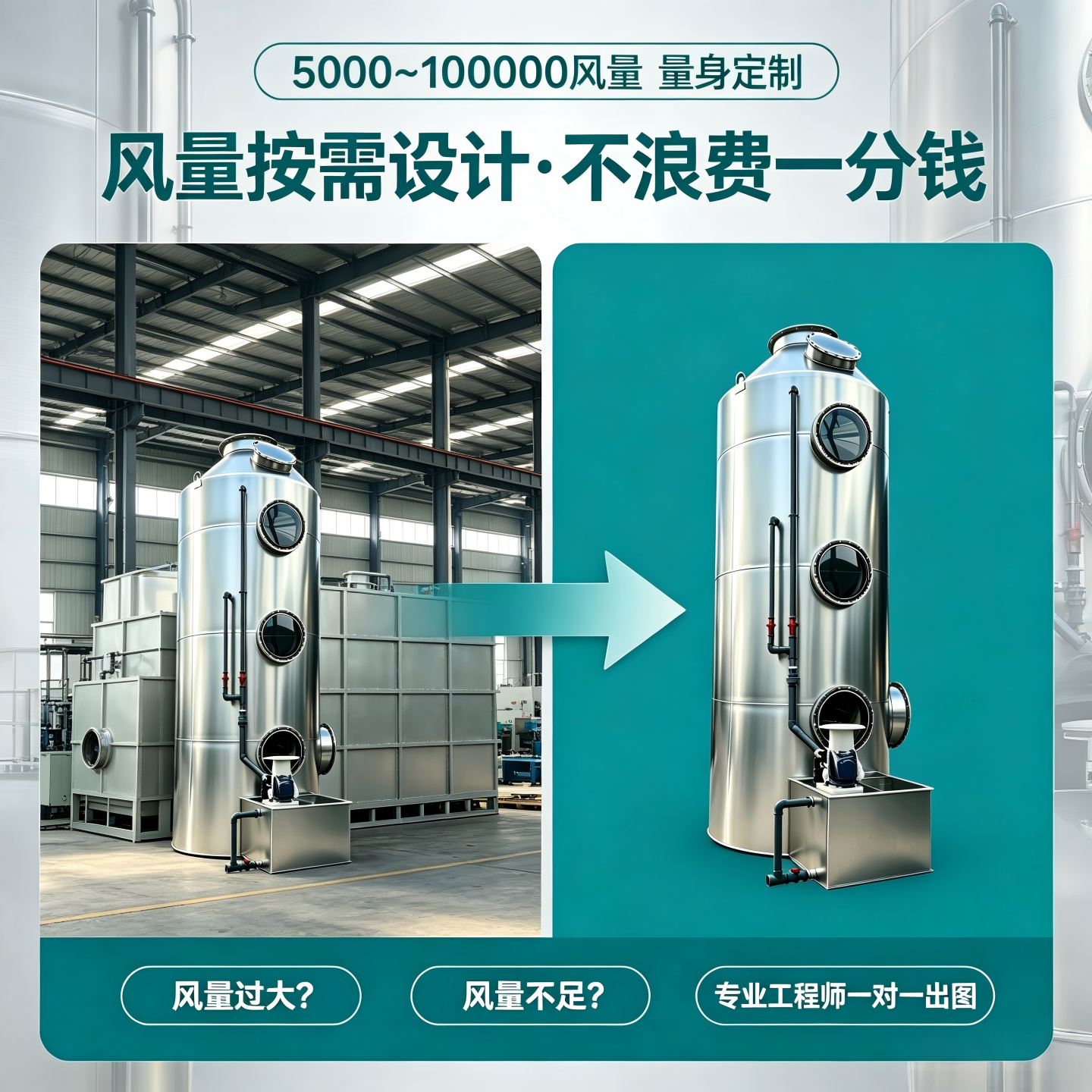
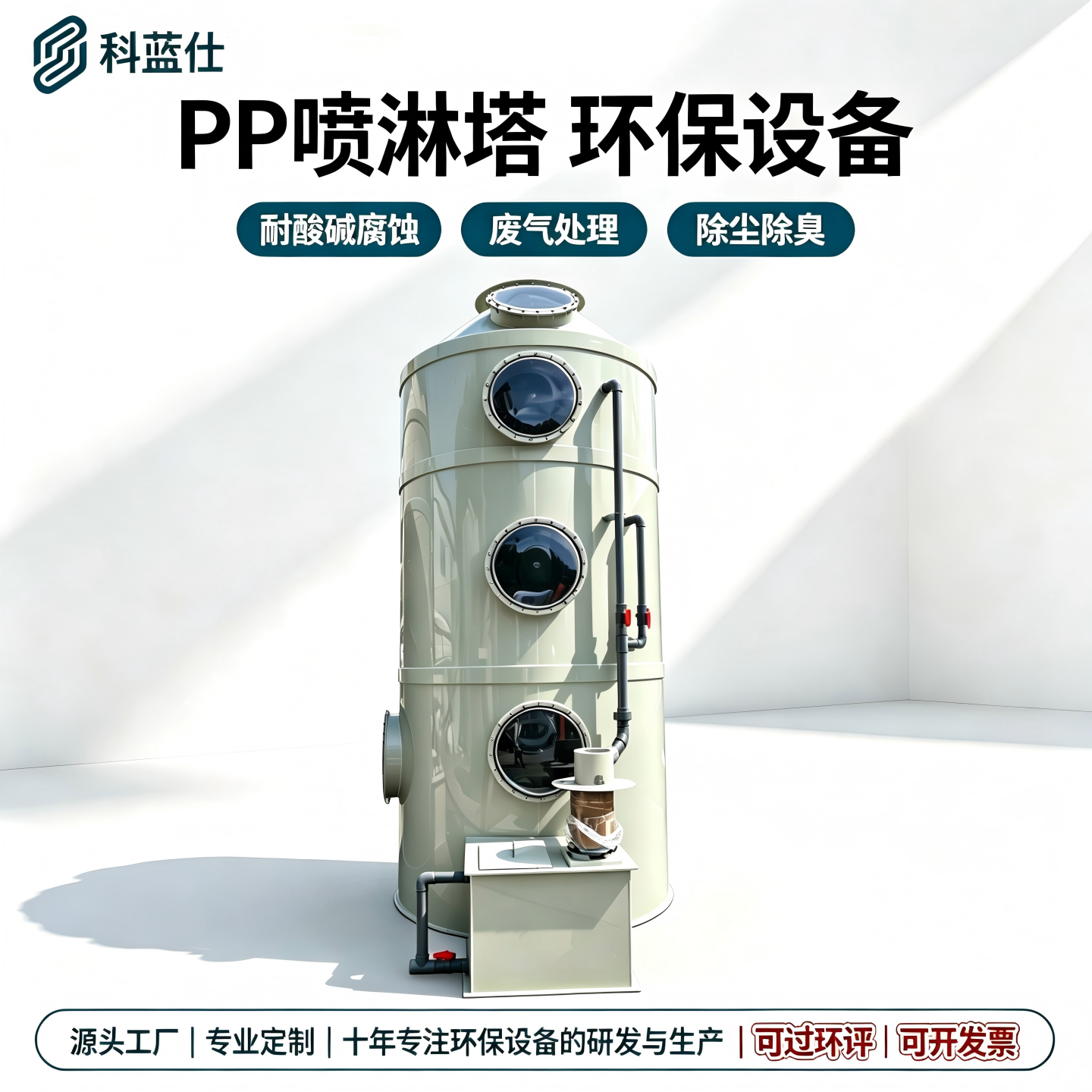
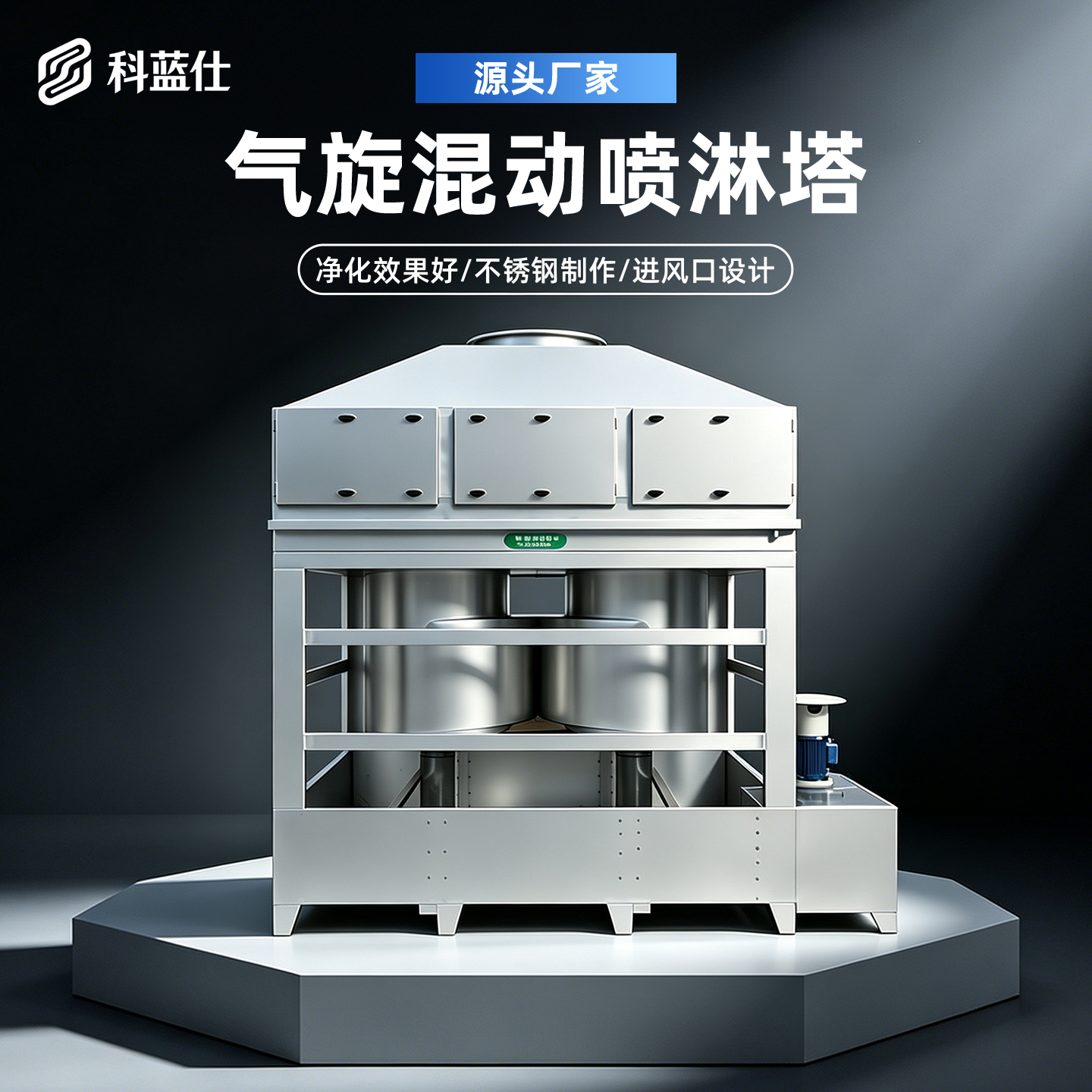
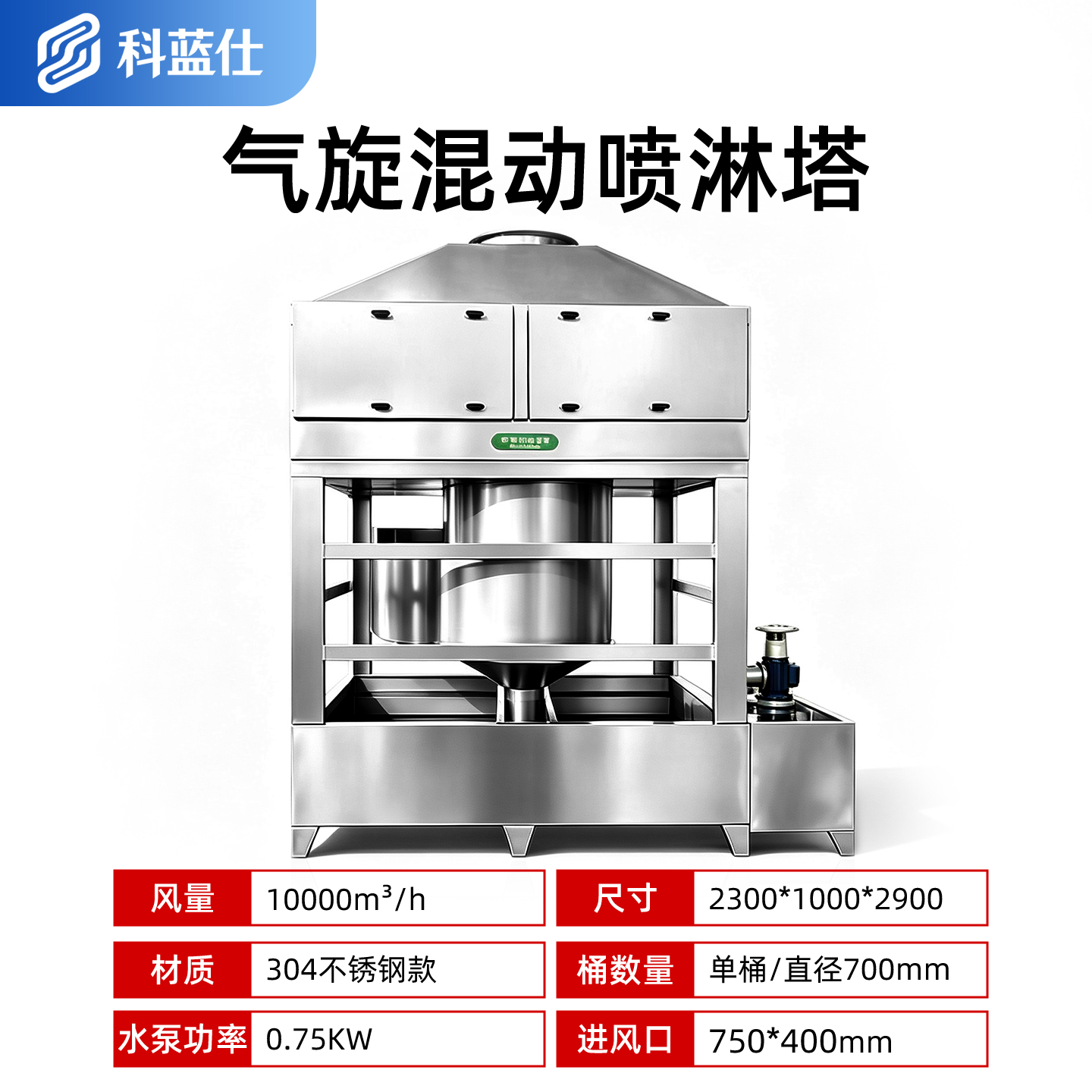
A cyclone spray tower combines swirl airflow, centrifugal separation and wet spraying to capture part of dust, mist and soluble exhaust components. It is often used as a wet pretreatment stage before deeper odor, VOC or gas treatment equipment, especially when the exhaust contains particles that should not enter downstream filters or carbon beds.
| Application | Pollutant | Why Cyclone Spray Fits |
| Wet dust pretreatment | Dust with moisture or sticky tendency | Swirl flow and spraying reduce loading before the next stage. |
| Workshop exhaust with mist | Fine droplets and soluble odor | Wet contact can reduce mist carryover when designed correctly. |
| Chemical or wastewater station odor | Soluble odor components | Often used before activated carbon polishing. |
| Multi-stage exhaust systems | Mixed particles and gas | Protects downstream scrubber, carbon or fan from heavy contamination. |
A cyclone spray tower is not a final solution for non-water-soluble VOCs, high-efficiency fine dust filtration, or strict gas compliance by itself. It should be selected as part of a process chain. Wastewater, sludge and mist carryover must be considered before choosing this equipment.
Common layouts include capture hood, ductwork, cyclone spray tower, demister, activated carbon adsorption box or RCO/RTO, fan and stack. For wet dusty exhaust, the tower reduces particle load. For odor exhaust, downstream activated carbon may still be required for final polishing.
| Parameter | What to Confirm | Design Impact |
| Airflow | Total exhaust volume and inlet velocity | Determines tower diameter and swirl intensity. |
| Particle type | Dust, mist, sticky particles or slurry potential | Determines nozzle arrangement and sludge handling. |
| Gas solubility | Water-soluble or non-water-soluble pollutant | Determines whether downstream VOC control is needed. |
| Circulation water | Can the factory manage wastewater and solids? | Affects operation cost and maintenance. |
| Mist control | Downstream equipment sensitivity | Determines demister requirement. |
Prepare airflow, pollutant type, dust or mist loading, gas solubility, temperature, humidity, wastewater handling condition, downstream equipment plan, installation space and destination country.
Contact:
Phone:
Email: sales@pureairtek.com
Add:
We chat