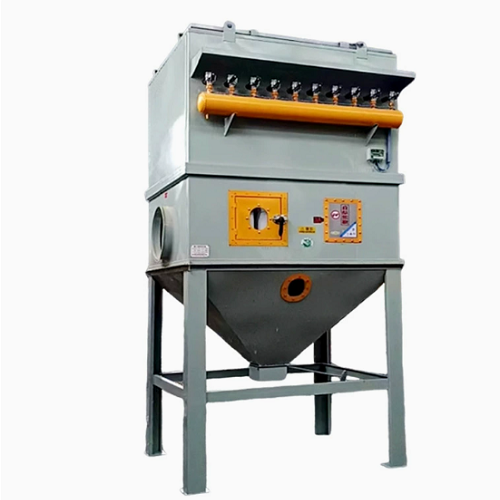
Complete Industrial VOC Treatment Guide
Introduction
Complete Industrial VOC Treatment Guide is a practical environmental engineering question for manufacturers, engineering contractors, distributors and procurement managers. VOC control is not only about buying a treatment device. The final result depends on emission source concentration, exhaust volume, solvent composition, temperature, humidity, pretreatment, safety review and long-term operating cost.
PureAirTek prepares this guide for industrial B2B buyers who need a professional manufacturer perspective. PureAirTek and Dongguan Kelong Environmental Technology Co., Ltd. support international air pollution control projects where VOC treatment equipment must match real production conditions, not only a catalog description.
Industry Background
Volatile organic compounds are released in coating, printing, adhesive use, drying, cleaning, resin processing, chemical storage, furniture finishing, electronics manufacturing and many other industrial processes. Some VOC streams are low concentration with large air volume, while others are concentrated, intermittent, warm, humid or mixed with particulate matter.
For a complete manufacturing facility planning VOC control from source survey to commissioning, the buyer must first understand the emission profile. A paint booth exhaust stream is different from a printing drying oven. A furniture spray line is different from a chemical tank vent. If the treatment method is selected before source conditions are measured, the project can suffer from low efficiency, short carbon life or excessive energy cost.
Industrial VOC treatment has also become a customer-audit topic. Export buyers increasingly ask whether factories control solvent emissions, maintain treatment equipment and keep records. A well-designed system supports compliance readiness, cleaner workshops and a stronger manufacturing image.
Equipment Working Principle
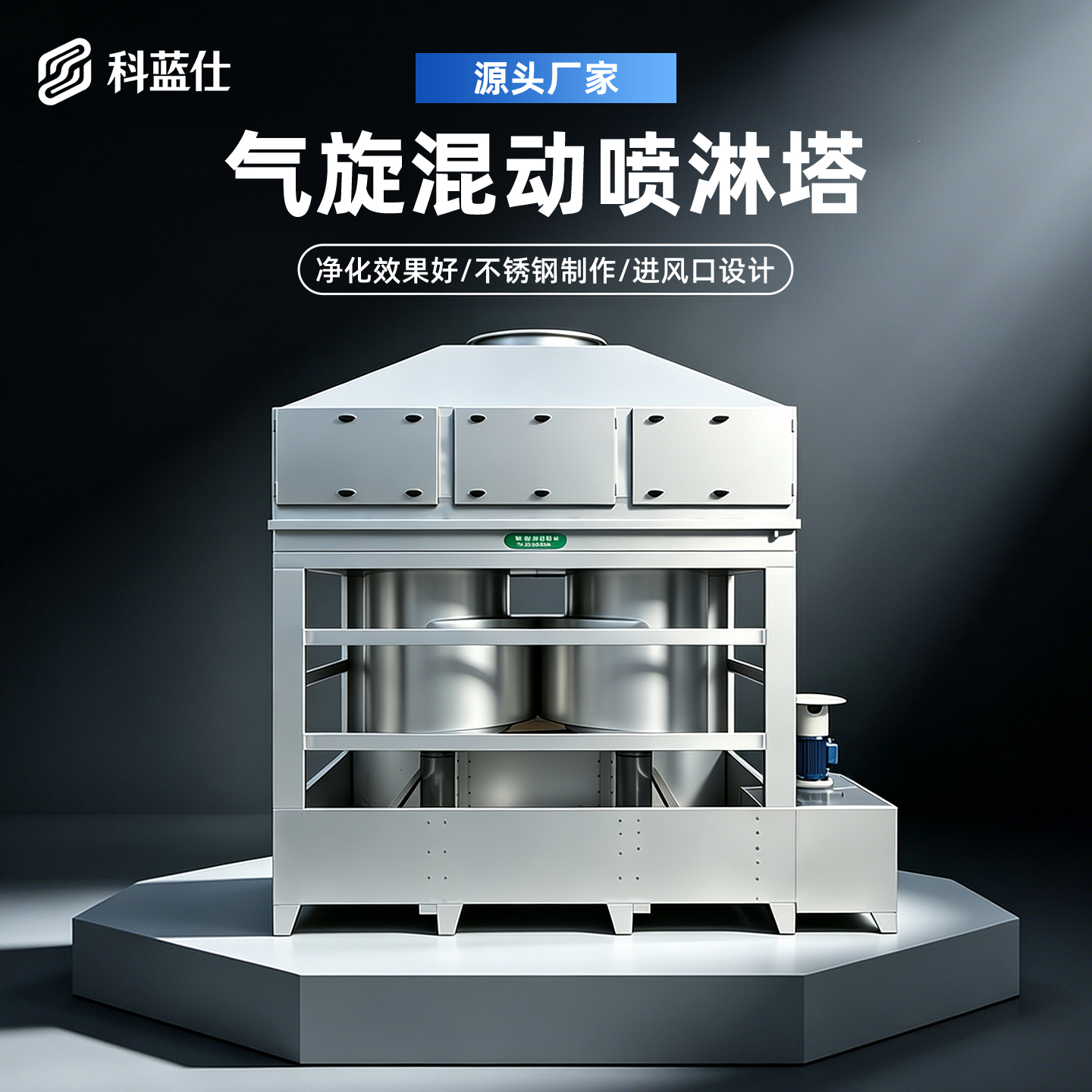
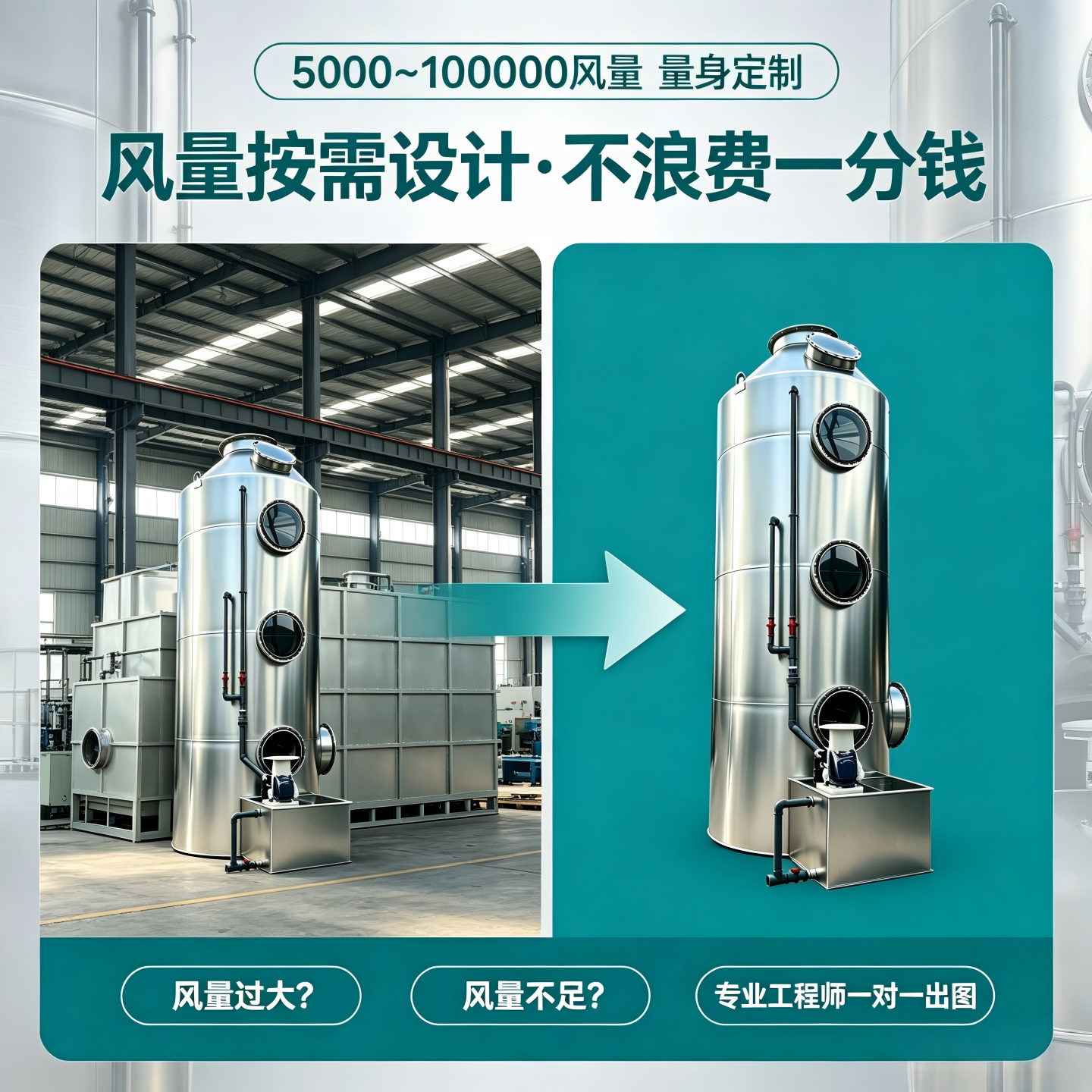
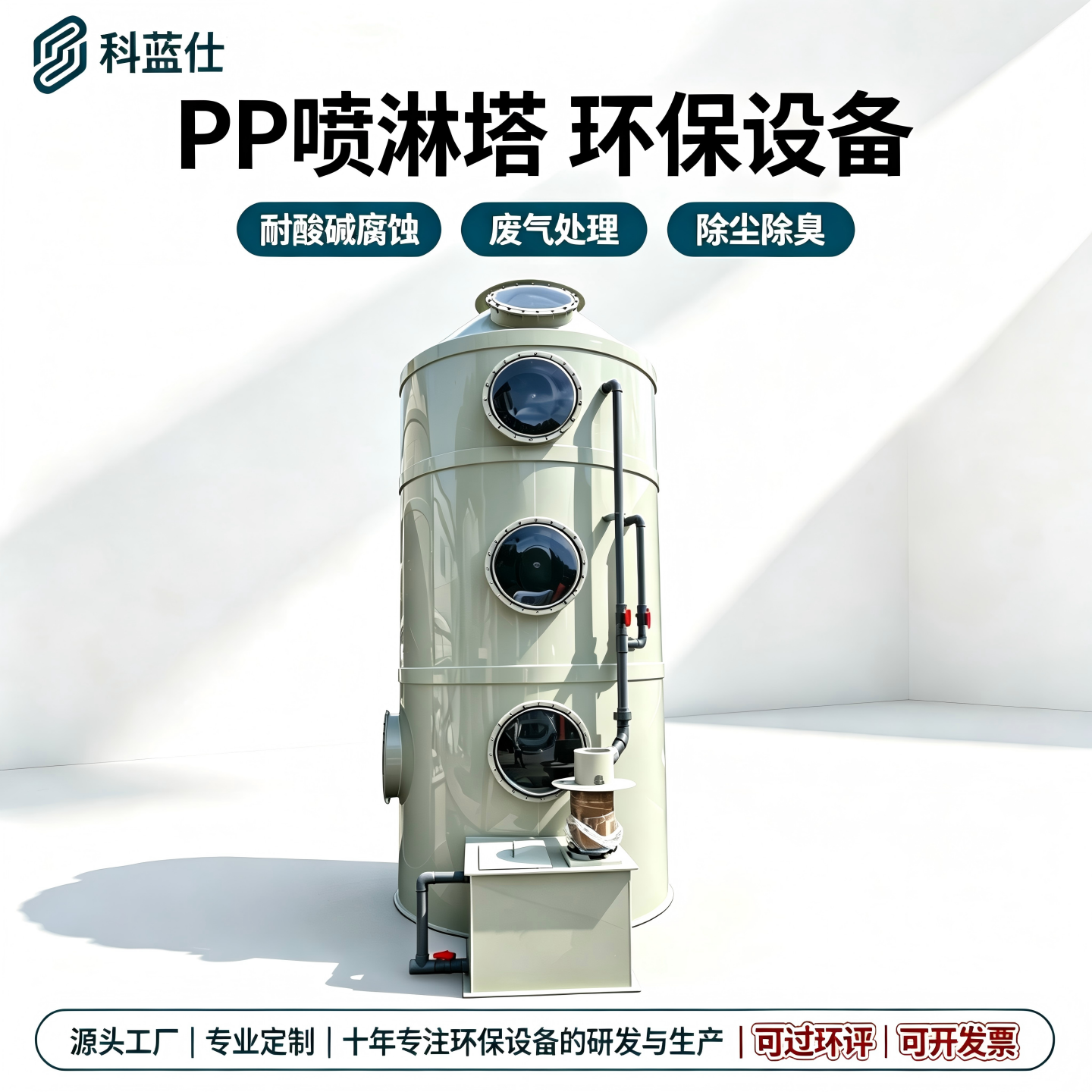
VOC treatment systems work by capturing contaminated exhaust, conditioning the gas stream and removing or destroying VOC molecules. Activated carbon adsorbers trap VOC molecules in porous carbon media. RCO catalytic oxidizers oxidize VOCs at elevated temperature with a catalyst to convert them mainly into carbon dioxide and water. Spray towers can remove water-soluble or reactive contaminants and can serve as pretreatment for some mixed exhaust streams.
The correct working principle depends on concentration and airflow. Low concentration, intermittent exhaust may suit activated carbon adsorption. Higher concentration or continuous exhaust may justify catalytic oxidation. Streams with mist, dust, paint overspray or high humidity may need filtration, demisting or scrubber pretreatment before the main VOC treatment stage.
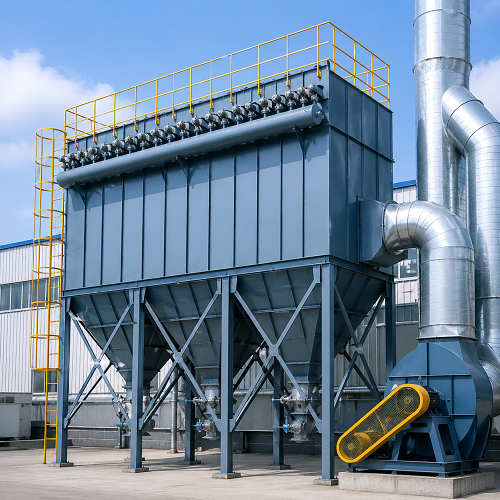
PureAirTek evaluates the whole exhaust path: source capture, ductwork, fan selection, pretreatment, main treatment equipment, safety devices, monitoring, maintenance and discharge. A system works best when each stage protects the next stage.
Technical Specifications
The following table provides reference ranges for preliminary VOC treatment discussion. Final specifications should be confirmed by exhaust testing, process review and local requirements.
| Parameter | Typical Range or Option | Buyer Notes |
| Exhaust airflow | 2,000 to 100,000 m3/h | Depends on booth size, oven exhaust, workshop ventilation and capture method |
| VOC concentration | Low to high ppm range | Determines adsorption, catalytic oxidation or combined process |
| Treatment options | Activated carbon, RCO, RTO, scrubber, combined system | Select by concentration, volume, solvent type and operating schedule |
| Pretreatment | Dust filter, paint mist filter, demister, spray tower | Protects carbon beds and catalysts |
| Removal efficiency | Project specific, often 70 to 95 percent plus | Depends on method, loading, maintenance and monitoring |
| Control system | Manual, PLC, temperature control, pressure monitoring | Needed for stable operation and safety |
| Safety devices | LEL monitoring, bypass, flame arresting, grounding, alarms | Important for flammable solvent streams |
Selection Guide
Selection starts with data. Buyers should collect airflow, VOC concentration, solvent composition, temperature, humidity, particulate content, operating hours and whether emissions are continuous or batch-based. Without this data, equipment selection becomes guesswork.
Next, match the treatment method to the emission profile. Activated carbon is often suitable for low-concentration exhaust and polishing stages, but carbon replacement cost must be considered. RCO can reduce operating cost for suitable continuous VOC streams, but catalyst protection and heat management matter. Scrubbers help with water-soluble contaminants or pretreatment, but they do not remove all organic solvents equally.
Finally, compare total cost of ownership. Procurement teams should review fan power, carbon replacement, catalyst life, heat energy, maintenance labor, monitoring devices and downtime risk. PureAirTek recommends evaluating the full system instead of comparing only equipment purchase price.
| Selection Question | Why It Matters | Recommended Review |
| What is the airflow? | Determines equipment size and fan power | Measure or calculate actual exhaust volume |
| What VOCs are present? | Affects carbon adsorption and oxidation suitability | Provide solvent list or test report |
| Is exhaust dusty or wet? | Can damage carbon or catalyst | Add pretreatment if needed |
| Is production continuous? | Affects operating cost and method choice | Review shift schedule and peak load |
| What efficiency is required? | Determines treatment process and monitoring | Confirm local and customer requirements |
Application Industries
VOC treatment is used in paint booths, furniture coating, printing, packaging, adhesive coating, electronics cleaning, chemical production, resin processing, rubber and plastics, automotive parts, metal coating and general solvent-using manufacturing. Each industry has different exhaust conditions.
PureAirTek helps buyers translate industry descriptions into treatment logic. A paint booth may need paint mist filtration before activated carbon or RCO. A printing factory may need stable oven exhaust treatment. A furniture factory may need combined control for sanding dust and coating VOCs in separate systems.
Spray painting and coating workshops
Printing and packaging factories
Furniture manufacturing and wood coating lines
Chemical, resin and adhesive processing plants
Electronics and industrial cleaning operations
Engineering contractors and distributors serving environmental projects
Advantages and Benefits
A properly selected VOC treatment system reduces solvent odor, supports compliance readiness and improves the factory image for customers and auditors. It can also reduce complaints from nearby areas and improve the working environment around emission sources.
The operating benefit depends on matching equipment to the exhaust. Correct pretreatment extends carbon and catalyst life. Correct airflow reduces fan energy. Correct monitoring prevents unnoticed efficiency loss. Correct maintenance planning avoids emergency shutdowns and uncontrolled emissions.
| Benefit | Business Impact |
| VOC emission reduction | Supports environmental compliance and customer audits |
| Odor control | Improves workshop and surrounding air quality |
| Equipment protection | Pretreatment protects carbon, catalyst and fans |
| Lower lifecycle cost | Correct method reduces energy and media replacement waste |
| Scalable project planning | Allows future production changes to be reviewed technically |
Installation Considerations
Installation must consider duct routing, fan location, access space, safety clearance, maintenance platforms and exhaust discharge. VOC systems may involve flammable solvent vapors, so electrical design, grounding, alarms and emergency procedures should be reviewed carefully.
Pretreatment should be installed where filters, demisters or scrubber internals can be maintained. Carbon beds and catalysts should be protected from dust, mist and excessive temperature. Ductwork should avoid unnecessary leakage and should include access points where inspection is needed.
Commissioning should include airflow confirmation, pressure readings, temperature checks, valve operation, alarm testing, VOC monitoring where required and operator training. PureAirTek recommends recording these values as the baseline for later maintenance.
Maintenance Guide
Maintenance should be planned before equipment is purchased. Activated carbon needs loading checks and replacement planning. RCO systems need catalyst protection, temperature monitoring and burner or electric heater checks. Scrubbers need water quality control, nozzle inspection and pump maintenance.
Daily or shift checks may include fan operation, abnormal odor, pressure drop, temperature and alarm status. Weekly checks may include filter condition, water level, pumps, valves and carbon bed pressure. Monthly checks may include duct leakage, sensor calibration, carbon sampling or catalyst inspection depending on the system.
PureAirTek recommends a maintenance log with operating hours, solvent use, pressure readings, replacement dates, alarm records and monitoring results. This log helps Dongguan Kelong Environmental Technology Co., Ltd. and project partners evaluate performance if the factory changes production.
| Maintenance Item | Frequency | Purpose |
| Pressure drop | Daily or weekly | Detect filter blockage or bed loading |
| Carbon or catalyst condition | By schedule and performance | Maintain removal efficiency |
| Fan and ductwork | Monthly | Check leakage, vibration and airflow |
| Pretreatment filters | Weekly or by load | Protect downstream treatment equipment |
| Monitoring records | Continuous or periodic | Support compliance and troubleshooting |
Common Problems and Solutions
| Problem | Likely Cause | Solution |
| VOC odor remains | Wrong method, overloaded media or bypass leakage | Check airflow, concentration, carbon/catalyst condition and seals |
| Carbon life is short | High concentration, humidity or poor pretreatment | Improve pretreatment and review carbon bed sizing |
| RCO temperature unstable | Variable concentration or control issue | Review heat balance, sensor function and operating schedule |
| High fan energy | Oversized airflow or high duct resistance | Optimize duct design and fan selection |
| Pressure drop rises | Filters blocked or bed contaminated | Inspect pretreatment, media and duct cleanliness |
| Compliance records weak | No monitoring or maintenance log | Create inspection and performance documentation |
Troubleshooting should start with source data. If the exhaust composition or airflow has changed, the original treatment system may no longer match the process. Replacing carbon or adjusting temperature will not solve a source mismatch.
PureAirTek can review production conditions, solvent list, exhaust measurements and equipment records to recommend practical improvements or new equipment.
Practical Industrial Example
A furniture coating plant may operate several spray booths with changing solvent load during the day. The plant originally installs carbon adsorption, but carbon replacement becomes frequent because paint mist pretreatment is poor and airflow is higher than necessary. Odor returns before the expected replacement interval.
A PureAirTek review would check booth airflow, solvent use, filter condition, carbon bed velocity, pressure drop and replacement records. The solution may include better paint mist filtration, improved carbon bed sizing, airflow adjustment or a transition to RCO if concentration and schedule justify oxidation. The correct recommendation depends on data, not guesswork.
Related PureAirTek resources include Activated Carbon Adsorbers, RCO Catalytic Oxidizers, Spray Tower Scrubbers, Industrial Exhaust Fans, Activated Carbon Adsorber Guide, Activated Carbon Adsorber vs RCO System and VOC Treatment Equipment for Paint Booth Applications.
Buyer Review and Cost Control Notes
Before purchase, buyers should ask whether the supplier reviewed airflow, VOC concentration, solvent composition, pretreatment, safety, operating schedule and maintenance cost. A quotation without these details may be difficult to compare.
Operating cost includes fan power, carbon replacement, catalyst maintenance, heat energy, water and chemicals for scrubbers, sensor calibration and labor. A lower equipment price may become more expensive if the treatment method does not match the exhaust.
For acceptance, the project team should record airflow, pressure drop, temperature, valve status, monitoring values and odor observations. These records help the factory prove performance and diagnose future problems.
Engineering Review, Monitoring and Cost Control
A VOC treatment project should be reviewed with engineering data before equipment is purchased. Buyers should confirm airflow, VOC concentration, solvent composition, temperature, humidity, particulate content, operating schedule and expected removal efficiency. These values influence equipment size, fan power, carbon consumption, catalyst life, safety devices and monitoring requirements.
Monitoring is not only a compliance activity. It is a maintenance tool. If inlet concentration increases, activated carbon may saturate faster. If pressure drop rises, pretreatment filters may be blocked. If RCO temperature is unstable, the system may be receiving variable concentration or the control loop may need adjustment. PureAirTek recommends recording pressure, temperature, operating hours, media replacement and odor observations so the plant can see performance trends.
Operating cost should be reviewed carefully. Activated carbon systems may have lower initial cost but require carbon replacement. RCO systems may have higher initial cost but can reduce long-term cost for suitable continuous streams. Scrubbers may require water, chemicals, pumps and wastewater handling. Fan power depends on airflow and system pressure loss. A proper comparison should include purchase price, installation, energy, media, maintenance labor, spare parts and downtime risk.
Safety review is also essential. Many VOC streams are flammable, and the project may require LEL monitoring, emergency bypass, grounding, explosion-proof components, fire control, temperature alarms or safe startup and shutdown procedures. These details should be discussed before installation rather than added after a problem occurs.
During acceptance, the project team should verify airflow, pressure drop, equipment temperature, valve operation, alarm function, monitoring values and visible odor control. PureAirTek and Dongguan Kelong Environmental Technology Co., Ltd. can support buyers and distributors with technical review so the VOC treatment system is accepted as controlled industrial environmental equipment.
Additional Practical Scenario
A printing factory may operate several presses with solvent-based inks. During peak production, VOC concentration rises and odor becomes obvious near the exhaust outlet. The factory considers a carbon adsorber, but the exhaust also contains ink mist and humidity. Without pretreatment, carbon life may be short and pressure drop may rise quickly.
A PureAirTek review would examine press schedule, exhaust volume, solvent list, temperature, humidity, filtration condition and required efficiency. The recommendation may include pre-filtration, activated carbon adsorption, RCO catalytic oxidation or a staged system. The decision would be based on operating cost and stability, not only the lowest equipment price.
For final handover, the buyer should receive equipment drawings, filter or carbon specifications, catalyst or media information, fan data, control settings, alarm instructions, maintenance schedule and spare part recommendations. This documentation helps factory managers train operators, helps procurement teams plan replacement parts and helps international customers see that the facility manages VOC control as a long-term environmental responsibility.
PureAirTek also recommends a periodic review after the system has operated for several weeks. Real production data can show whether airflow, pressure drop, media life and removal performance match the design assumptions. If the factory expands production or changes solvent formulation, the VOC treatment system should be reviewed again before problems appear.
FAQ Section
1. What are VOCs?
VOCs are volatile organic compounds that can evaporate from solvents, coatings, inks, adhesives, cleaning agents and chemical processes.
2. Which VOC treatment method is best?
The best method depends on airflow, concentration, solvent type, temperature, humidity, operating schedule and required efficiency.
3. When is activated carbon suitable?
Activated carbon is often suitable for low-concentration or intermittent VOC streams, but carbon replacement cost must be considered.
4. When should RCO be considered?
RCO can be suitable for continuous VOC streams where catalytic oxidation can reduce emissions with controlled energy use.
5. Why is pretreatment important?
Dust, paint mist, oil and moisture can reduce carbon or catalyst performance, so pretreatment protects the main system.
6. What data is needed for a quote?
Provide airflow, VOC concentration, solvent list, temperature, humidity, operating schedule, photos and compliance target.
7. Can PureAirTek help with equipment selection?
Yes. PureAirTek can review process data and recommend practical VOC treatment equipment for industrial buyers and distributors.
Conclusion
Complete Industrial VOC Treatment Guide should be handled as an engineering and operating cost decision. The right system depends on source data, treatment principle, pretreatment, airflow, safety, monitoring and maintenance.
PureAirTek provides industrial VOC treatment and air pollution control equipment for factories, contractors and distributors. With Dongguan Kelong Environmental Technology Co., Ltd., PureAirTek helps international buyers prepare practical systems for real manufacturing environments.
Request a Quote CTA
Contact PureAirTek for a VOC treatment equipment quotation. Send your exhaust airflow, VOC concentration, solvent list, workshop layout, photos, operating schedule and target installation date. PureAirTek will review your project and recommend a practical industrial VOC control solution.