Send airflow, pollutant type, material preference, voltage and destination. PureAirTek will recommend suitable industrial equipment and quote range.
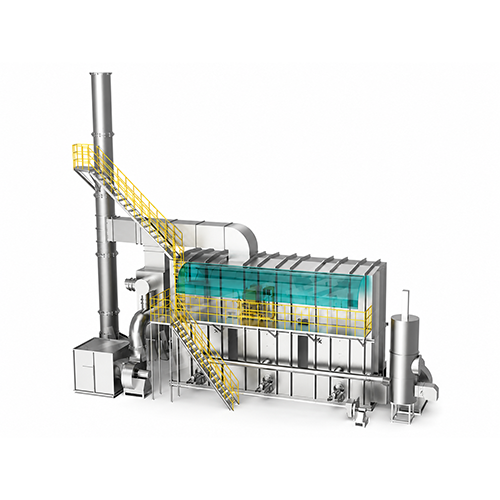
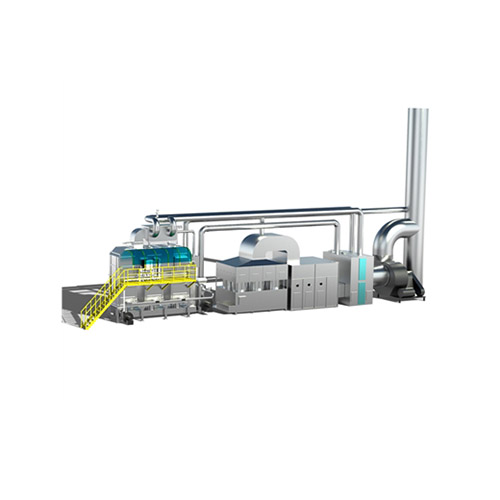
An RTO thermal oxidizer treats VOC exhaust by heating the gas to high oxidation temperature and recovering heat through ceramic media beds. It is used when factories need stable VOC destruction for large airflow, continuous production or mixed solvent exhaust that is not suitable for simple adsorption systems.
| Application | Typical Exhaust | Why RTO Fits |
| Coating and printing lines | Continuous solvent VOC exhaust | Heat recovery makes long operating hours more practical. |
| Chemical manufacturing | Mixed organic exhaust | Thermal oxidation can handle many compounds after safety review. |
| Automotive and industrial painting | Large airflow after pretreatment | RTO can be paired with concentration systems or filtration. |
| High-volume ventilation | Low to medium VOC concentration | Zeolite concentration may reduce RTO size and energy demand. |
RTO is usually not economical for very small intermittent exhaust, low odor-only sources, or exhaust containing heavy dust, corrosive acid mist, high moisture, silicone, tar or sticky resin without pretreatment. Halogenated compounds require special material and acid gas treatment review because oxidation may create corrosive byproducts.
A typical system includes capture and ductwork, pre-filter or scrubber when needed, fan, switching valves, ceramic heat recovery beds, combustion chamber, burner or electric heater, safety interlocks, temperature sensors and exhaust stack. Multi-bed RTO design can reduce untreated bypass during valve switching.
| Parameter | What to Confirm | Design Impact |
| Airflow | Normal, peak and future expansion volume | Determines chamber size, valve diameter and fan pressure. |
| VOC concentration | Average and peak concentration, LEL percentage | Controls safety design and auxiliary fuel demand. |
| VOC composition | Solvent names and corrosive components | Influences oxidation temperature, material and downstream treatment. |
| Operating schedule | Continuous or batch operation | Affects heat recovery benefit and start-stop strategy. |
| Pretreatment | Dust, mist, acid gas or resin present? | Protects ceramic media and valves from blockage or corrosion. |
Prepare airflow, VOC composition, concentration range, exhaust temperature, humidity, operating hours, pretreatment condition, local emission requirement, fuel or power availability, installation space and destination. These details decide whether RTO, RCO, zeolite concentration plus RTO, or activated carbon is the proper solution.
Contact:
Phone:
Email: sales@pureairtek.com
Add:
We chat