Send airflow, pollutant type, material preference, voltage and destination. PureAirTek will recommend suitable industrial equipment and quote range.
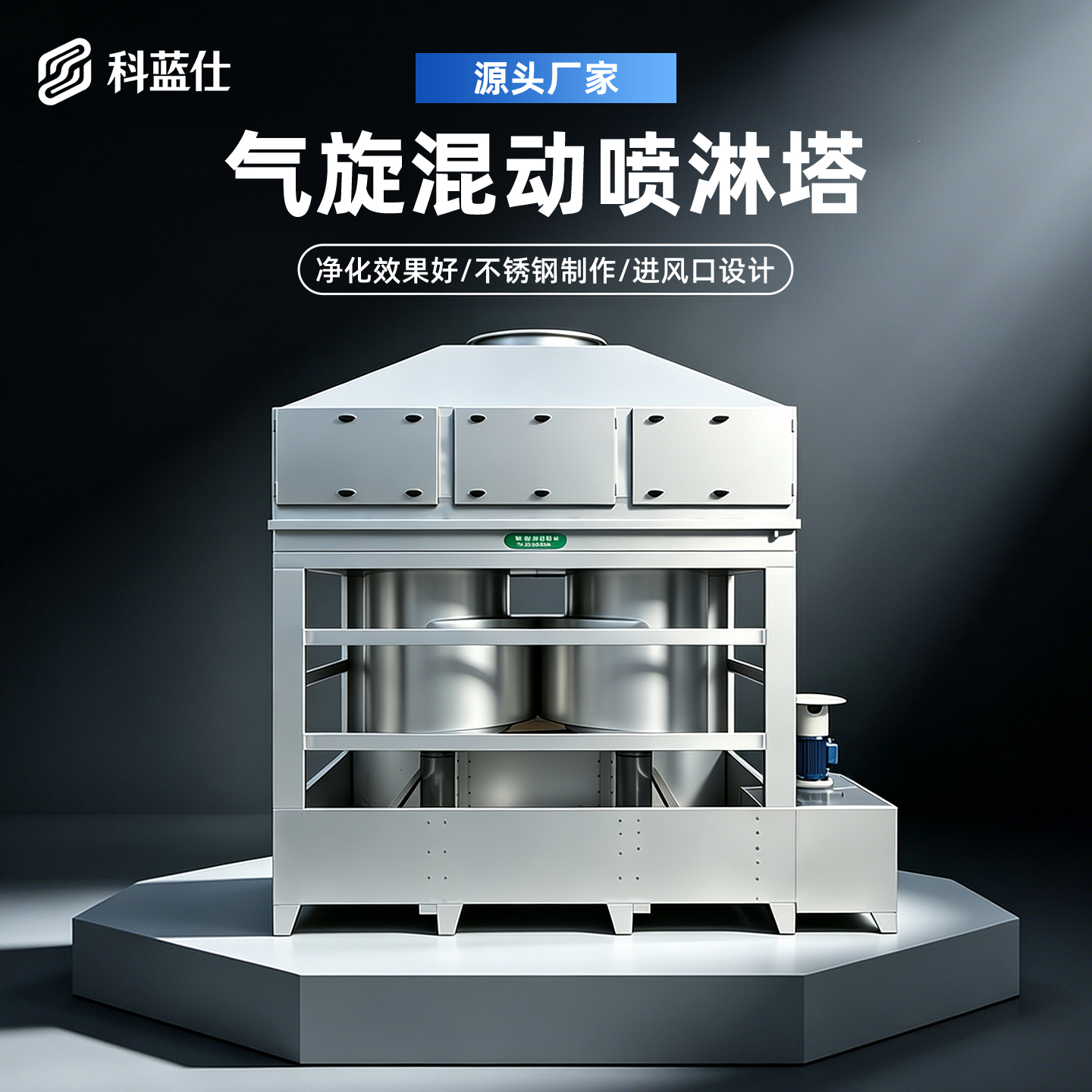
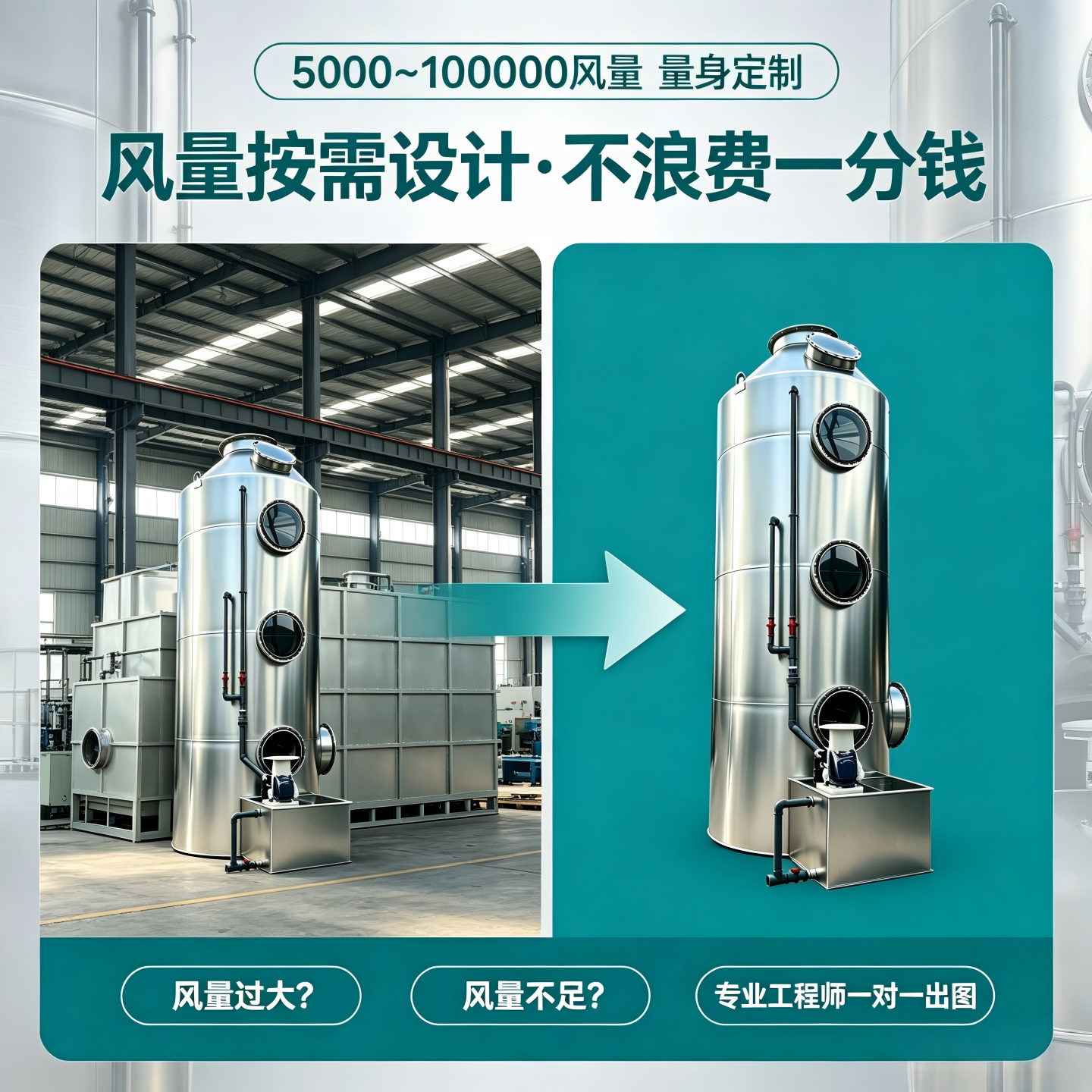
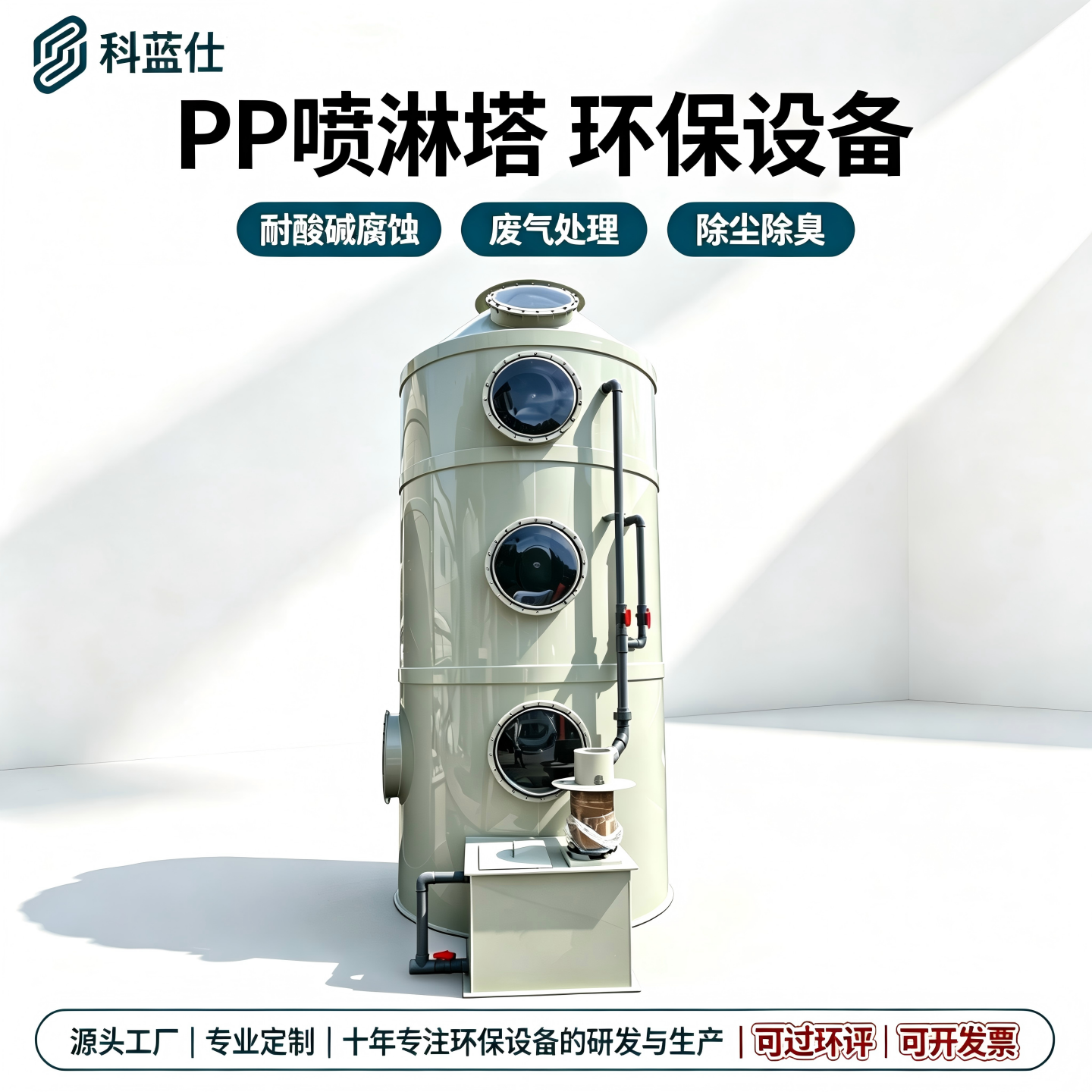
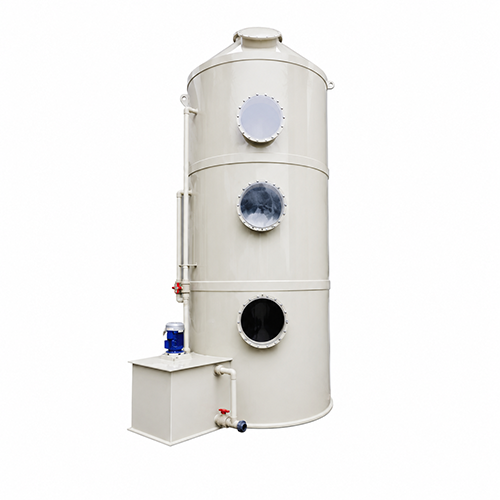
An industrial spray tower scrubber uses circulating liquid, spray nozzles and gas-liquid contact to remove acid mist, alkaline gas, soluble pollutants, odor components and part of particulate matter from exhaust gas. It is widely used in chemical workshops, surface treatment, electroplating, laboratory exhaust, wastewater station odor and wet pre-treatment before deeper VOC control equipment.
| Pollutant | Suitability | Engineering Note |
| Acid or alkaline gas | Good fit | Requires correct scrubbing liquid, pH control and corrosion-resistant material. |
| Water-soluble odor | Possible | Efficiency depends on solubility, chemical dosing and contact time. |
| Dust or mist | Partial removal | Works as wet pre-treatment, but sludge and wastewater handling must be planned. |
| Non-water-soluble VOC | Not a final solution | Usually needs activated carbon, RCO, RTO or another VOC stage after pretreatment. |
PP is normally selected for strong acid and alkali resistance in corrosive exhaust. Stainless steel is used when the customer needs higher structural durability, better appearance or specific material standards such as 201, 304 or 316. Material should be chosen by gas composition, liquid chemistry, temperature, outdoor environment and budget, not by appearance alone.
| Parameter | What to Confirm | Design Impact |
| Airflow | Total exhaust volume and collection points | Determines tower diameter, height and pressure drop. |
| Gas composition | Acidic, alkaline, soluble, oily, dusty or mixed | Determines liquid chemistry and material. |
| Removal target | Pretreatment or final compliance stage? | Decides whether downstream carbon/RCO/RTO is needed. |
| Maintenance | Nozzle access, pump inspection, packing cleaning | Affects long-term reliability. |
| Wastewater | Can the factory manage circulating liquid and blowdown? | Important for real operation cost and compliance. |
Send airflow, pollutant names, concentration, temperature, humidity, pH tendency, required material, available space, wastewater handling condition, voltage and destination country. If the tower is used before activated carbon or RCO, also describe the downstream VOC treatment target.
Contact:
Phone:
Email: sales@pureairtek.com
Add:
We chat