Centralized vs Mobile Fume Extraction for Shipyards
Factory problem for Centralized vs Mobile Fume Extraction for Shipyards
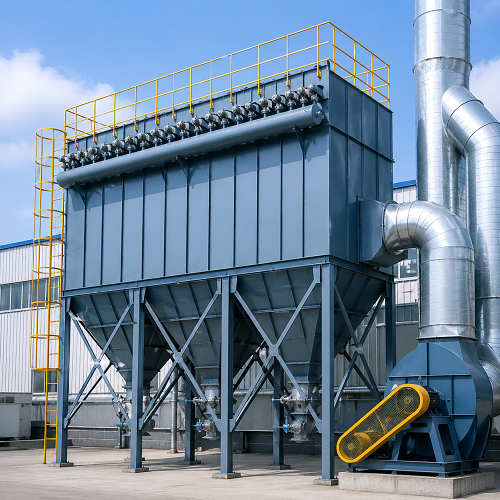
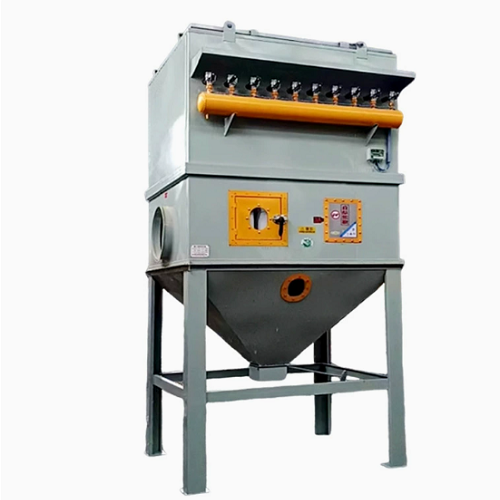
Centralized vs Mobile Fume Extraction for Shipyards should answer a real purchasing question, not simply repeat a product keyword. For example, Centralized vs Mobile Fume Extraction for Shipyards may come from a production area with three exhaust points where the buyer notices unstable hood suction. For Centralized vs Mobile Fume Extraction for Shipyards, PureAirTek confirms whether the actual pollutant is welding fume, grinding dust and large-area fabrication exhaust, then checks whether central or mobile cartridge filtration based on work zone layout is the right treatment path.
The initial sizing discussion may involve about 44,515 m3/h, 2 collection points, gas temperature near 140 C and fan static pressure around 1045 Pa. These numbers are examples for decision thinking; the final model still depends on site data.
Comparison logic for Centralized vs Mobile Fume Extraction for Shipyards
| Point | Engineering view | Buyer note |
|---|---|---|
| Decision trigger | Use the option that handles welding fume, grinding dust and large-area fabrication exhaust with stable operation | Do not compare by equipment name alone |
| Maintenance reality | Check moving workstations, duct reach and filter loading | Service access decides long-term reliability |
| Cost boundary | Separate equipment body, fan, media, controls and packing | A cheap quote may omit key items |
| Recommended next step | Send photos and airflow data for Centralized vs Mobile Fume Extraction for Shipyards | Engineering review prevents wrong sizing |
When the cheaper option is unsafe for Centralized vs Mobile Fume Extraction for Shipyards
For Centralized vs Mobile Fume Extraction for Shipyards, a cheaper option becomes risky when it ignores moving workstations, duct reach and filter loading. For Centralized vs Mobile Fume Extraction for Shipyards, the buyer should ask how loaded filters, wet gas, odor breakthrough, spark risk or consumable replacement are handled before accepting a lower price.
Mistakes to avoid for Centralized vs Mobile Fume Extraction for Shipyards
- For Centralized vs Mobile Fume Extraction for Shipyards, do not compare prices without fan pressure and consumables.
- For Centralized vs Mobile Fume Extraction for Shipyards, do not use workshop volume as a substitute for source airflow.
- For Centralized vs Mobile Fume Extraction for Shipyards, do not mix dust and VOC streams without checking safety.
- For Centralized vs Mobile Fume Extraction for Shipyards, do not choose equipment before confirming moving workstations, duct reach and filter loading.
PureAirTek recommendation for Centralized vs Mobile Fume Extraction for Shipyards
For Centralized vs Mobile Fume Extraction for Shipyards, PureAirTek would normally begin with central or mobile cartridge filtration based on work zone layout. For Centralized vs Mobile Fume Extraction for Shipyards, related PureAirTek equipment pages include cartridge dust collectors, industrial exhaust fans. For Centralized vs Mobile Fume Extraction for Shipyards, the recommendation should name the selected equipment, explain the pollutant match, list optional configurations and mark any data that is still assumed.
Before publishing or sending this page to a buyer for Centralized vs Mobile Fume Extraction for Shipyards
This page should be kept only if it helps a buyer decide the next action for shipbuilding and heavy fabrication fume control. It must connect the factory problem, pollutant behavior, sizing data and quotation boundary. When the PureAirTek product library has more data, this Centralized vs Mobile Fume Extraction for Shipyards page should be strengthened with model ranges, material drawings, airflow options and field photos.