Dust and VOC Control for Automotive Parts Factories
Factory problem for Dust and VOC Control for Automotive Parts Factories
Dust and VOC Control for Automotive Parts Factories should answer a real purchasing question, not simply repeat a product keyword. For example, Dust and VOC Control for Automotive Parts Factories may come from a plant expansion project where the buyer notices unclear quotation boundaries. For Dust and VOC Control for Automotive Parts Factories, PureAirTek confirms whether the actual pollutant is grinding dust, coating VOC and paint mist, then checks whether separated dust collection and VOC treatment for each source is the right treatment path.
The initial sizing discussion may involve about 37,179 m3/h, 1 collection points, gas temperature near 84 C and fan static pressure around 3197 Pa. These numbers are examples for decision thinking; the final model still depends on site data.
Equipment route for Dust and VOC Control for Automotive Parts Factories
| Item | PureAirTek review focus |
|---|---|
| Pollutant profile | grinding dust, coating VOC and paint mist |
| Likely equipment path | separated dust collection and VOC treatment for each source |
| Critical checks | paint mist pre-filtering, solvent load and grinding dust capture |
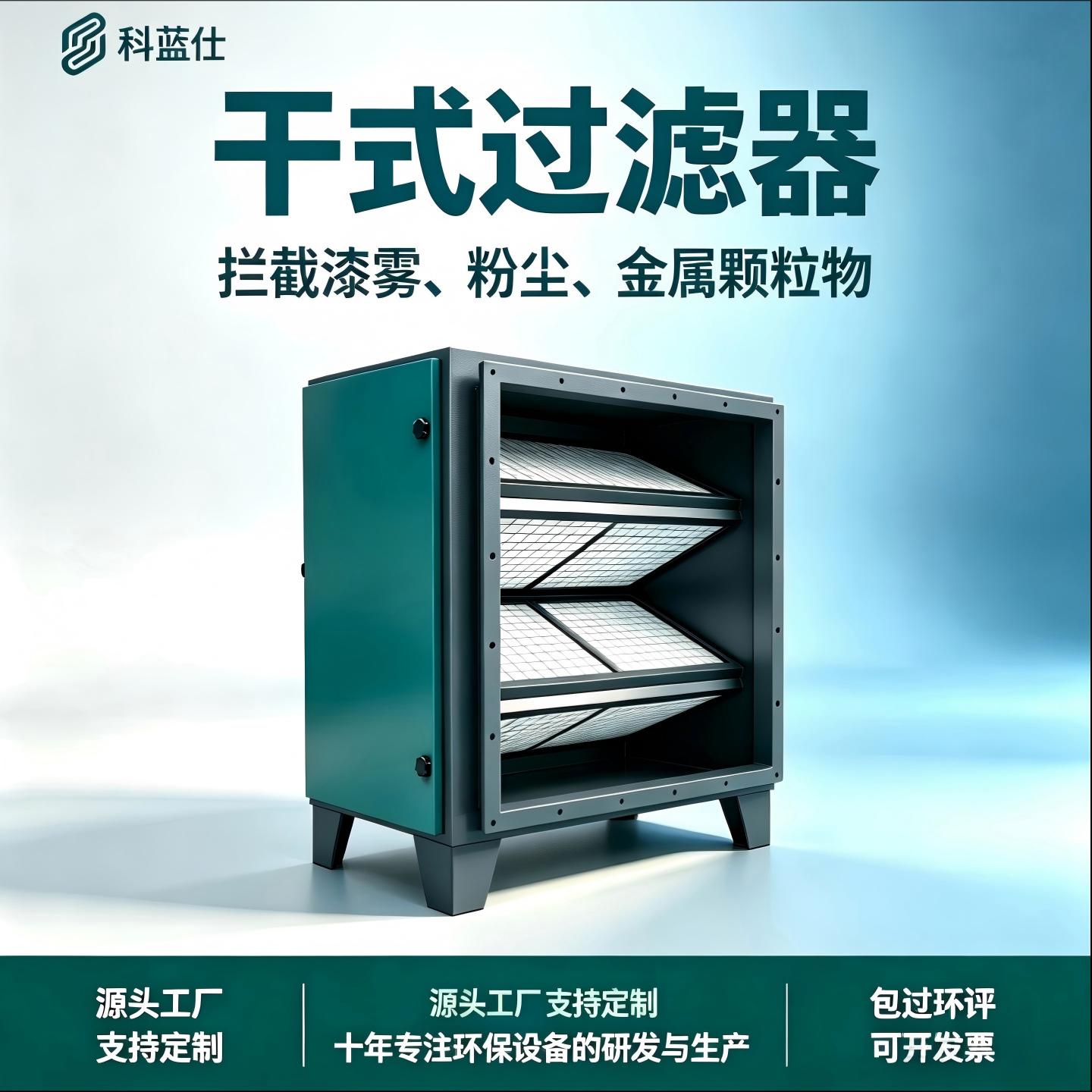
| Related product pages | cartridge dust collectors, activated carbon adsorbers, RCO catalytic oxidizers, dry filter boxes, industrial exhaust fans |
Application boundary for Dust and VOC Control for Automotive Parts Factories
For Dust and VOC Control for Automotive Parts Factories, one machine should not be expected to handle every pollutant. For Dust and VOC Control for Automotive Parts Factories, dry dust, sticky mist, humid odor, acid gas and organic VOC should be checked as separate treatment conditions before combining lines.
Mistakes to avoid for Dust and VOC Control for Automotive Parts Factories
- For Dust and VOC Control for Automotive Parts Factories, do not use workshop volume as a substitute for source airflow.
- For Dust and VOC Control for Automotive Parts Factories, do not ignore maintenance doors and media replacement space.
- For Dust and VOC Control for Automotive Parts Factories, do not compare prices without fan pressure and consumables.
- For Dust and VOC Control for Automotive Parts Factories, do not choose equipment before confirming paint mist pre-filtering, solvent load and grinding dust capture.
PureAirTek recommendation for Dust and VOC Control for Automotive Parts Factories
For Dust and VOC Control for Automotive Parts Factories, PureAirTek would normally begin with separated dust collection and VOC treatment for each source. For Dust and VOC Control for Automotive Parts Factories, related PureAirTek equipment pages include cartridge dust collectors, activated carbon adsorbers, RCO catalytic oxidizers, dry filter boxes, industrial exhaust fans. For Dust and VOC Control for Automotive Parts Factories, the recommendation should name the selected equipment, explain the pollutant match, list optional configurations and mark any data that is still assumed.
Before publishing or sending this page to a buyer for Dust and VOC Control for Automotive Parts Factories
This page should be kept only if it helps a buyer decide the next action for automotive parts exhaust treatment. It must connect the factory problem, pollutant behavior, sizing data and quotation boundary. When the PureAirTek product library has more data, this Dust and VOC Control for Automotive Parts Factories page should be strengthened with model ranges, material drawings, airflow options and field photos.