Common Air Pollution Problems in Metal Fabrication Plants
Introduction
Common Air Pollution Problems in Metal Fabrication Plants is a practical air pollution control topic for factory owners, engineering contractors and procurement managers. Metal fabrication workshops do not produce one simple dust stream. Welding fume, cutting smoke, grinding dust, stainless steel particulate and housekeeping dust can exist in the same plant, and each source behaves differently. A buyer who selects equipment only by fan power may still have smoke escape, fast filter loading and high operating cost.
PureAirTek prepares this guide for international B2B buyers who need a professional manufacturer view, not a general blog explanation. PureAirTek and Dongguan Kelong Environmental Technology Co., Ltd. support dust collection and industrial air pollution control projects where equipment must be sized for real machines, real operators and long term maintenance.
Industry Background
Metal fabrication plants often include welding cells, cutting tables, grinding benches, polishing areas, drilling lines and assembly zones. A plant may start with general ventilation and portable units, but as production increases, visible smoke accumulates near the roof, dust settles on machines and customers notice poor housekeeping during audits.
In a mixed fabrication plant with welding, cutting, grinding and finishing in one workshop, the problem is usually a mix of source capture and system balance. Fine fume needs close capture and high filtration efficiency. Abrasive grinding dust needs spark control and rugged ducting. Cutting smoke needs stable airflow and filter media that can handle fine oxide particles. Stainless steel processing may require stricter exposure control and cleaner surfaces before finishing.
The industry trend is moving from scattered extraction devices to engineered systems. Buyers want equipment that supports production expansion, lower energy use, better filter life and easier maintenance. Distributors also need clear technical logic so they can explain why one plant needs extraction arms while another needs a centralized cartridge collector with zone control.
Equipment Working Principle
A dust collection system captures contaminated air at the generation point, transports it through ductwork, removes particles through filters and discharges collected dust into a bin, drawer or hopper system. The fan creates negative pressure, but the capture device decides whether smoke actually enters the system. Hoods, arms, downdraft tables and cutting table ports must be placed where pollutants are generated.
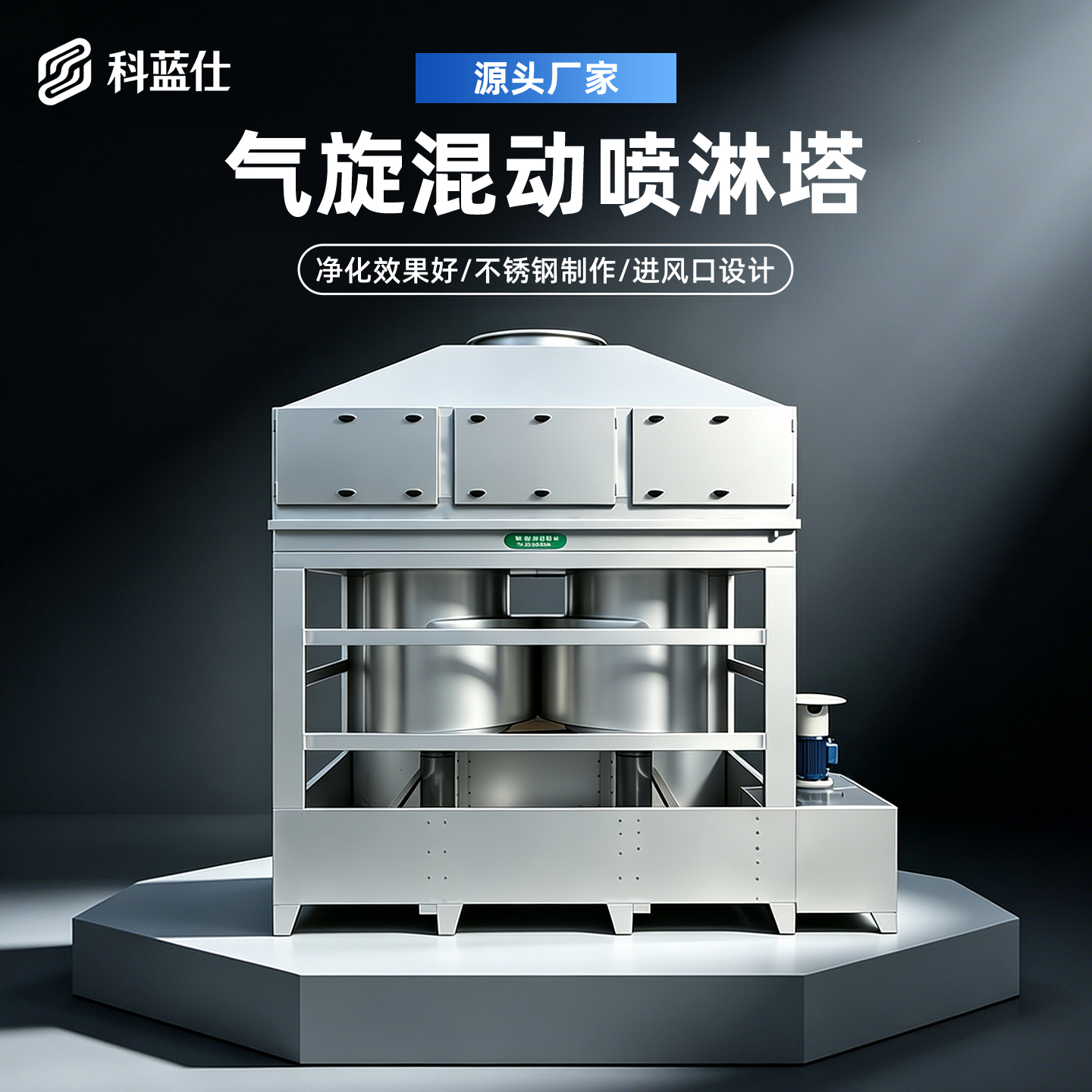
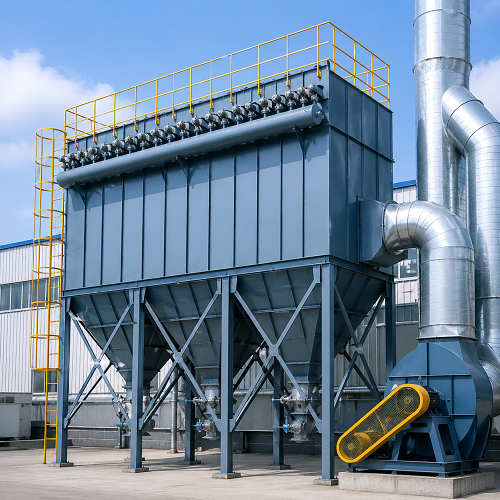
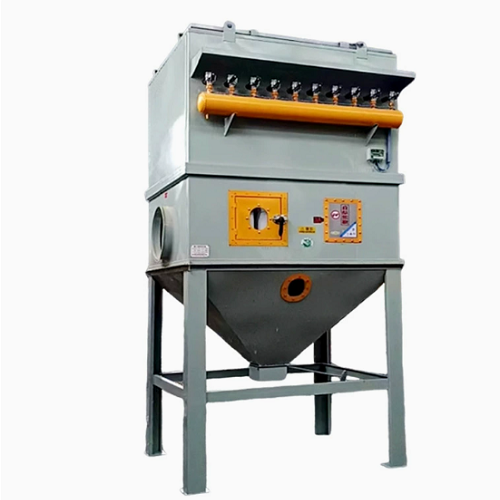
Cartridge dust collectors are common for fine welding and cutting fumes because pleated filters provide large area in a compact body. Pulse jet cleaning releases dust cake from the cartridges and helps control differential pressure. Baghouse collectors may be suitable for heavier dry dust or larger air volumes. Spark arrestors, baffles, pre-separation chambers and grounded ductwork are often considered when sparks or combustible dust may be present.
The working principle must be converted into a layout. A collector cannot solve a poor hood. A strong fan cannot fix a blocked duct. PureAirTek evaluates source position, duct length, branch balance, pressure loss, filter area and maintenance access so the system performs after installation, not only during quotation.
Technical Specifications
The table below is a preliminary reference for buyer discussion. Final specifications should be confirmed after reviewing layout, material, process load and local requirements.
| Parameter | Typical Range | Buyer Notes |
| Air volume | 2,000 to 80,000 m3/h | Depends on station count, source type and simultaneity |
| Filter type | Cartridge, baghouse or hybrid | Cartridge is common for fine fume; baghouse may suit heavy dust |
| Filter media | Polyester, PTFE membrane, anti-static or flame-retardant | Choose by particle size, spark risk and required efficiency |
| Duct velocity | 18 to 25 m/s typical for metal dust | Confirm by dust weight and duct route |
| Pulse pressure | 0.4 to 0.6 MPa typical | Stable compressed air improves cleaning |
| Control options | Manual, pressure based, PLC, VFD | VFD and zone control reduce energy cost |
| Safety options | Spark arrestor, grounding, isolation, explosion venting | Review when sparks or combustible dust are possible |
Selection Guide
Selection should begin with process mapping. Count each welding station, cutting table, grinding booth, polishing area and robotic cell. Record which stations operate together and which are used only occasionally. This prevents oversizing and undersizing at the same time.
Next, identify material and dust behavior. Mild steel welding, galvanized cutting, aluminum grinding and stainless steel finishing require different risk reviews. A buyer should not send oily mist, hot sparks or mixed combustible dust into a standard dry collector without engineering review.
Compare total cost of ownership. The cheapest collector can become expensive if filters plug quickly, fan energy is high or maintenance access is poor. PureAirTek recommends checking air-to-filter ratio, pulse cleaning design, access doors, hopper discharge, spare part cost, filter replacement process and future expansion capacity before purchase.
| Question | Why It Matters | Recommended Action |
| Where is dust generated? | Capture efficiency depends on source position | Use hoods, arms or table extraction close to the source |
| Are sparks present? | Sparks can damage filters or create fire risk | Add spark control and safe duct routing |
| Will stations expand? | Future growth can overload the system | Reserve duct and fan capacity where practical |
| Is return air allowed? | Rules and audits may restrict recirculation | Confirm local requirements before design |
| Who maintains the unit? | Complex maintenance causes downtime | Choose accessible filters, valves and hoppers |
Application Industries
Typical users include steel structure factories, machinery plants, automotive component suppliers, ship repair yards, stainless steel product factories, hardware manufacturers, elevator factories, rail part workshops, metal furniture plants and contract fabrication shops. Each industry has different working rhythm, but all need practical capture, stable airflow and maintainable equipment.
PureAirTek helps buyers translate production descriptions into equipment choices. A welding shop with moving parts may need extraction arms or booth capture. A cutting workshop may need table extraction and spark control. A stainless steel plant may need cleaner filtration and careful housekeeping because surface quality matters.
Manual and robotic welding cells
Laser cutting and plasma cutting workshops
Metal grinding, polishing and deburring lines
Stainless steel product manufacturing
Machinery, vehicle component and hardware plants
Industrial contractors and distributors serving export factories
Advantages and Benefits
A properly selected system reduces visible smoke, protects operators, keeps machines cleaner and improves the workshop impression during customer visits. It also helps supervisors identify production issues because smoke and dust no longer hide the work area.
Operating benefits include more stable filter pressure, lower cleaning labor, fewer emergency filter changes and better control of compressed air. A system with VFD control can reduce energy consumption when all stations are not active. Good access doors and clear pressure monitoring reduce downtime because technicians can diagnose problems quickly.
| Benefit | Impact for Buyers |
| Cleaner air near source | Improves operator comfort and audit readiness |
| Less dust on equipment | Protects sensors, rails and electrical cabinets |
| Stable pressure drop | Supports predictable production and filter life |
| Lower operating cost | Reduces energy, compressed air and maintenance waste |
| Scalable design | Makes future production expansion easier |
Installation Considerations
Installation quality decides whether a dust collector performs as designed. Duct routes should be short, smooth and accessible. Flexible hose should be limited because it increases pressure loss and collects dust. Branch dampers should be labeled so maintenance teams can rebalance the system after process changes.
Spark control must be considered before final duct routing. Cutting and grinding processes may need spark arrestors, baffles, pre-separation or distance before filters. The collector should be located where filter changes, hopper cleaning, compressed air service and electrical inspection are safe and convenient.
Commissioning should include airflow measurement, fan current, differential pressure baseline, pulse cleaning test, damper position record and operator training. These records create a reference for troubleshooting after production changes.
Maintenance Guide
Maintenance should be based on measured pressure trend. Operators should record differential pressure during normal production. A slow increase may indicate filter loading. A sudden drop may indicate a broken filter, bypass leak or open access panel.
Weekly checks should include hopper level, dust discharge, pulse valve sound, compressed air pressure, fan vibration and visible leaks. Monthly checks should include filter seals, duct cleanout points, grounding continuity, damper position and sensor condition.
PureAirTek recommends keeping spare filters, pulse valve diaphragms and pressure gauges available for factories where downtime is expensive. A maintenance log should include operating hours, filter replacement date, production changes and abnormal observations.
| Item | Frequency | Check |
| Differential pressure | Daily | Normal range and abnormal changes |
| Hopper discharge | Weekly | Full bin, bridge or blockage |
| Pulse cleaning | Weekly | Air pressure and valve response |
| Filters and gaskets | Monthly | Damage, bypass and sealing |
| Ductwork | Monthly | Settled dust, loose joints and damaged hose |
Common Problems and Solutions
| Problem | Likely Cause | Solution |
| Smoke remains visible | Capture point too far or airflow too low | Adjust hood position and rebalance branches |
| Filters clog quickly | Wrong media, high dust load or weak pulse cleaning | Review filter media, pulse pressure and pre-separation |
| Sparks reach collector | No spark control or duct distance too short | Add spark arrestor, baffles or process controls |
| Energy cost is high | Fan runs full speed during partial production | Use VFD or zone control |
| Dust leaks from doors | Poor gasket seal or high hopper pressure | Replace seals and inspect discharge |
| One branch is weak | Duct imbalance or blockage | Inspect dampers and clean ductwork |
Troubleshooting should start at the source. If pollution escapes before it reaches the hood, changing filters will not solve the problem. If airflow is strong at one station and weak at another, the duct system needs balancing.
PureAirTek can review photos, videos, layout sketches and pressure readings to help buyers decide whether the solution is adjustment, filter media change, added spark protection or a larger engineering redesign.
Practical Industrial Example
A medium metal fabrication plant with welding tables, a plasma cutting machine and grinding benches may believe the problem is simply poor ventilation. After inspection, the real issues may be weak source capture, long flexible hoses, no branch balancing and filter loading from mixed dust sources.
A practical PureAirTek plan would divide the plant into zones. Welding stations may use extraction arms or booth hoods, cutting equipment may connect to a dedicated table extraction line with spark control and grinding benches may use stronger local capture with pre-separation. This creates a cleaner workshop and a system that maintenance teams can understand.
Related PureAirTek pages include Cartridge Dust Collectors, Baghouse Dust Collectors, Industrial Exhaust Fans, Dust Collection Systems for Welding Fumes, Cartridge Dust Collectors for Welding Applications and Industrial Air Pollution Control Equipment Guide.
Operating Cost Control and Acceptance Checklist
For acceptance, buyers should confirm airflow at representative hoods, fan current, differential pressure, pulse cleaning sequence, compressed air pressure, damper positions and visible capture performance during normal production. These values should be recorded as the baseline for future maintenance.
Operating cost is controlled by fan energy, compressed air use, filter replacement and cleaning labor. A poor duct layout increases fan power. Weak pulse cleaning shortens filter life. Bad access increases service time. PureAirTek reviews these details before purchase because they decide long term value.
A final handover should confirm spare filter models, warranty contacts, cleaning frequency, emergency shutdown steps and the person responsible for maintenance logs. PureAirTek can also review measured airflow after commissioning and help the buyer decide whether damper adjustment, media change or future capacity expansion is needed.
Procurement Review Notes for B2B Buyers
Before placing an order, the purchasing team should compare more than the equipment model and price. Ask whether the quotation includes fan selection, duct pressure loss estimate, filter media recommendation, spark protection review, control cabinet, pressure gauge, installation guidance and spare filter information. These items affect the real project cost.
For international buyers and distributors, documentation is also important. A professional quotation should explain airflow assumptions, filtration method, maintenance access, expected pressure range and optional safety devices. This allows the buyer to compare suppliers on engineering logic instead of only on the lowest price.
PureAirTek recommends that factory owners keep a simple acceptance file after installation. The file should include machine list, airflow readings, fan current, differential pressure, compressed air pressure, filter model, dust discharge method and photos of each capture point. This record helps future maintenance teams understand what normal operation should look like.
When a plant expands production, this same file becomes useful for upgrade decisions. Instead of replacing the whole system blindly, PureAirTek can review the baseline data and decide whether the plant needs additional branches, a larger fan, more filter area, a separate collector for high-load sources or only damper adjustment.
For factories preparing customer audits, the system should be presented as part of controlled industrial environmental equipment. Clean ducts, labeled dampers, visible pressure readings, a maintenance log and trained operators make the project more credible to visitors. This is especially valuable for export-oriented metal fabrication plants.
For long-term SEO and buyer confidence, each project page should also show that PureAirTek can support technical consultation, product comparison, installation planning and after-sales maintenance advice for metal processing workshops in different countries.
FAQ Section
1. What dust collector is best for welding fumes?
Cartridge dust collectors are often preferred because they provide large filter area for fine fumes. The final choice depends on process, station count, material and capture method.
2. Can welding, cutting and grinding share one system?
Sometimes they can, but spark risk, particle size and dust loading must be reviewed. Heavy grinding dust or cutting sparks may need pre-separation or spark control.
3. How do I reduce operating cost?
Use correct hood design, reduce duct pressure loss, maintain pulse cleaning, select proper filter media and consider VFD fan control.
4. How often should filters be replaced?
Replacement should be based on differential pressure trend, inspection and production load, not only on a fixed calendar.
5. Is general ventilation enough?
General ventilation can dilute air but usually does not capture fumes at the source. Source capture is more effective for welding and metal processing.
6. What information is needed for a quote?
Send layout, process list, station count, material type, working schedule, photos, duct distance and safety requirements.
7. Can PureAirTek support distributors?
Yes. PureAirTek supports distributors with application review, technical equipment selection and quotation logic for industrial buyers.
Conclusion
Common Air Pollution Problems in Metal Fabrication Plants should be handled as an engineering project that connects capture, airflow, filtration, safety and maintenance. Buyers who evaluate these factors before purchase usually receive better efficiency and lower operating cost.
PureAirTek provides industrial dust collection and air pollution control equipment for welding, cutting, grinding and stainless steel processing. With Dongguan Kelong Environmental Technology Co., Ltd., PureAirTek helps international buyers prepare practical systems for real workshops.
Request a Quote CTA
Contact PureAirTek for a welding or metal processing dust collection quotation. Send your workshop layout, process list, number of stations, material type, photos and target installation schedule. PureAirTek will review the project and recommend a practical industrial air pollution control solution.