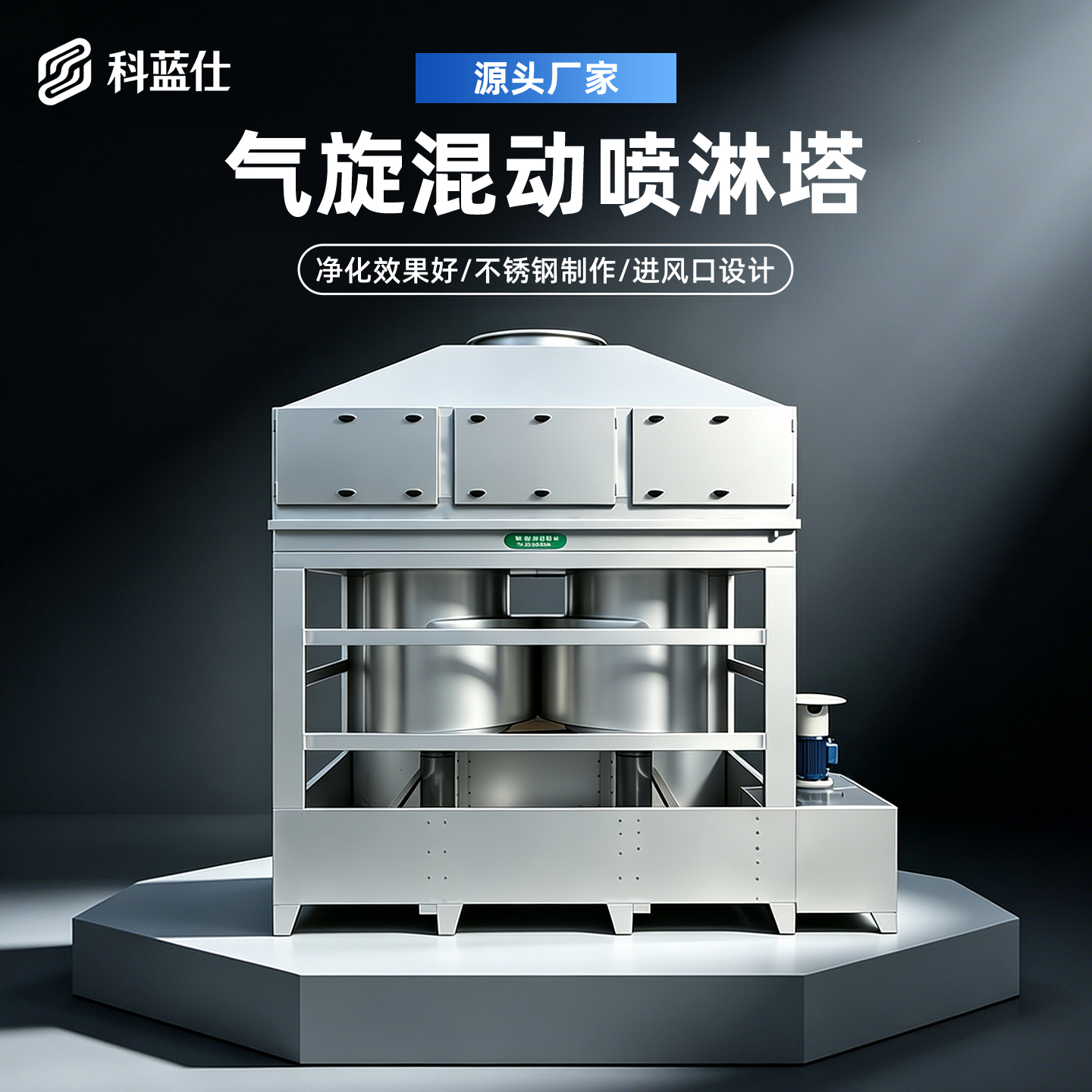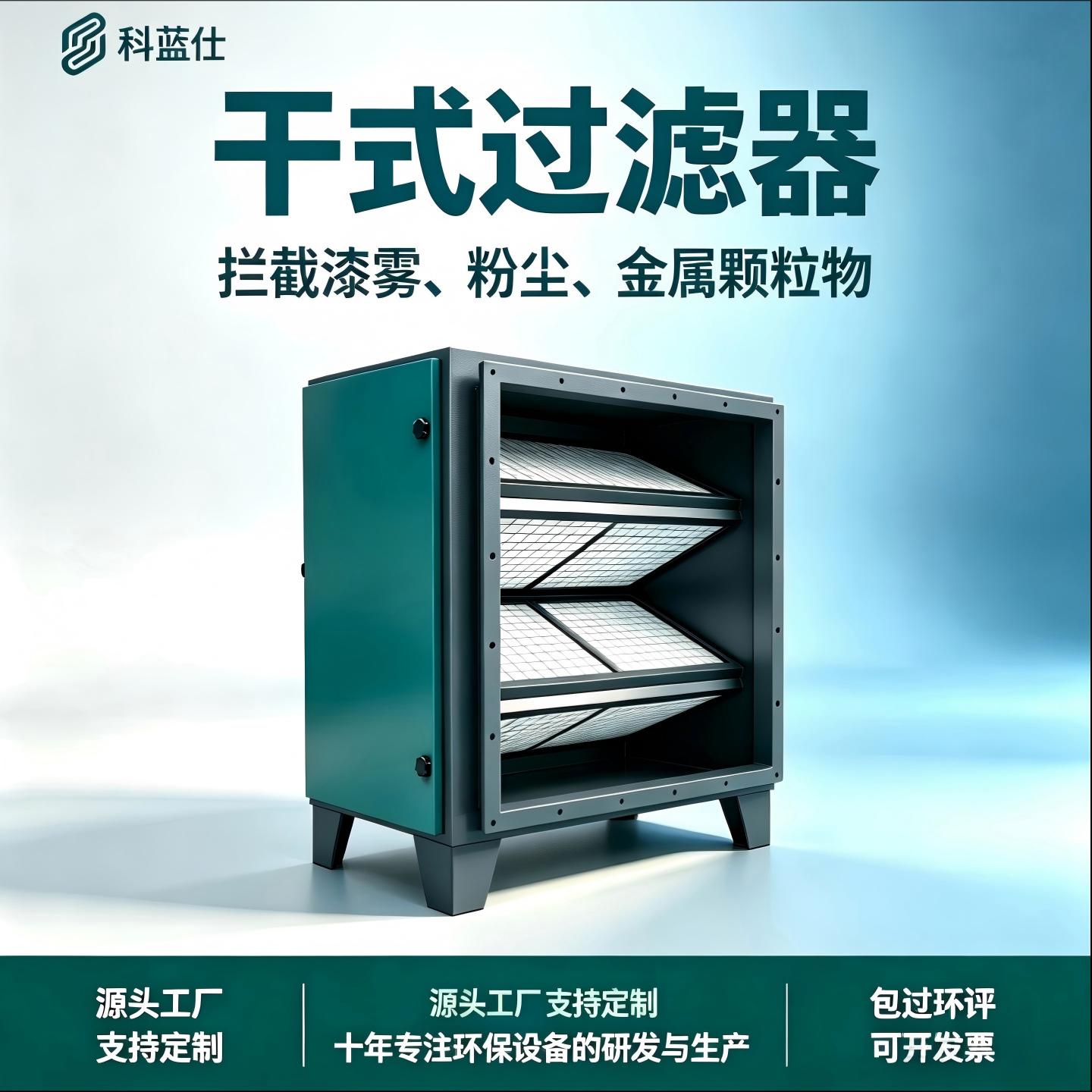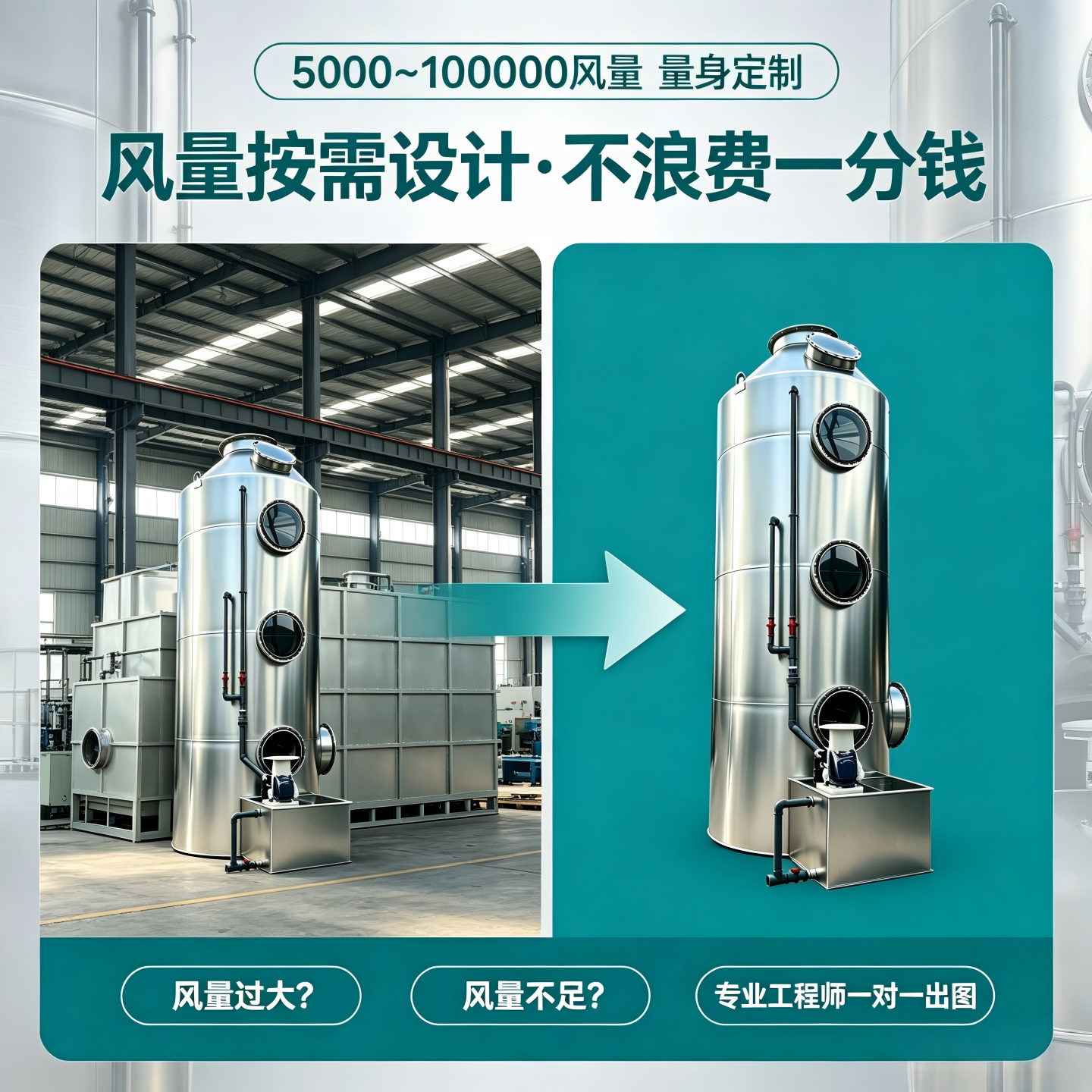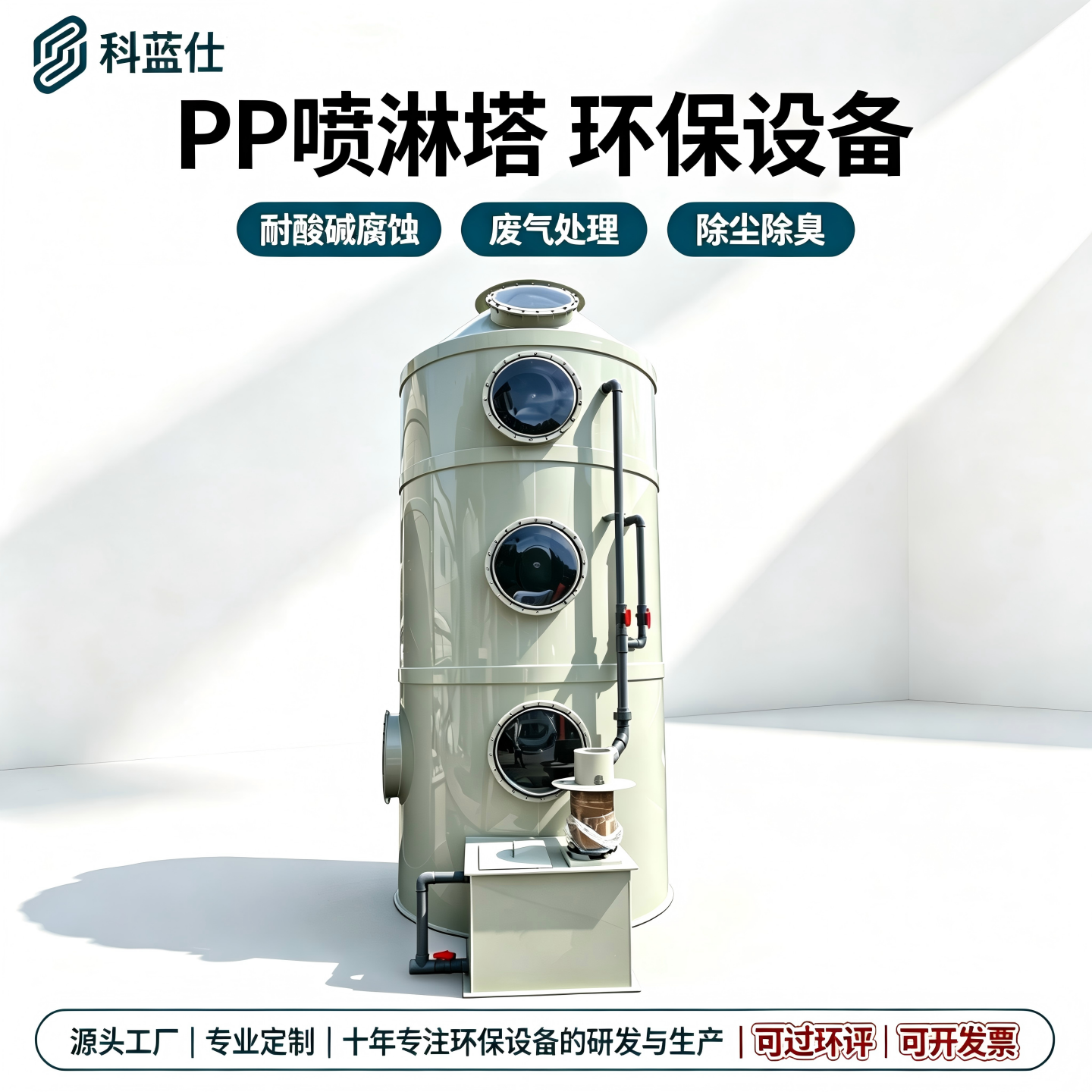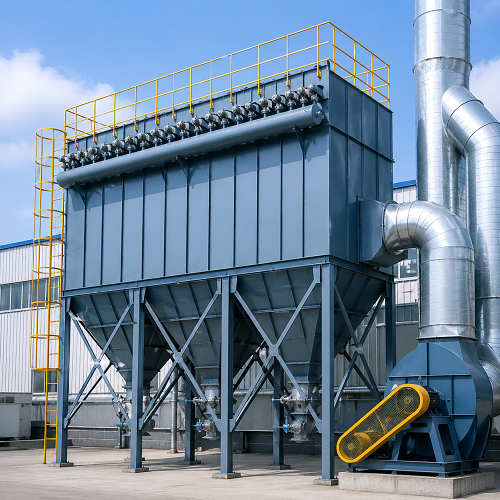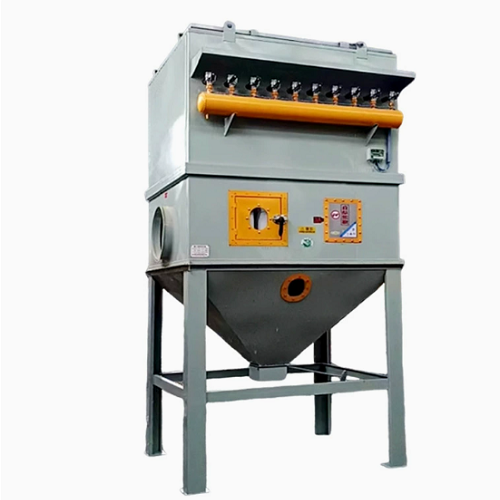
PP Scrubber Tower vs Stainless Steel Scrubber Tower: Selection by Chemical Service
PP and stainless steel scrubber towers are not interchangeable materials. The right choice comes from the gas chemistry, liquid chemistry, temperature, chloride exposure, cleaning method and mechanical duty. Start with the corrosive service, then check fabrication and structural requirements.
Start with the process stream, not the tower material
Record the contaminant, inlet concentration range, exhaust temperature, moisture, droplets, solids, peak flow and expected operating hours. The scrubbing liquid also matters: an alkaline liquor used for acid-gas absorption has different compatibility from an acidic liquor used for alkaline gases. A material that survives the exhaust may fail in the sump, spray headers or recirculation piping.
Where PP scrubber towers are a strong fit
- Acidic exhaust such as hydrochloric acid, sulfuric acid mist or many pickling and surface-treatment streams, subject to chemical confirmation.
- Low-to-moderate temperature service where a corrosion-resistant, lightweight fabricated tower is useful.
- Projects where field handling, nonmetallic duct connection and total installed cost are important.
PP does not automatically mean “acid-proof in every condition.” Temperature, oxidizing chemicals, UV exposure, tank support and nozzle reinforcement must be checked. A thin-walled tower can also deform if vacuum conditions or fan placement are ignored.
Where stainless steel is justified
- Higher mechanical loading, elevated-temperature gas or a process requiring a more rigid structure.
- Wash-down, hygienic or solvent-related areas where the selected stainless grade is compatible with the complete wet service.
- Applications needing compact fabricated internals, robust supports or frequent maintenance access.
“Stainless” is not one material. Grade 201, 304 and 316 behave differently, especially around chlorides and acidic condensate. Do not select a grade by price alone; ask for the liquid composition, concentration and temperature before committing.
Decision points that prevent premature failure
| Check | Why it matters |
|---|---|
| Gas and liquid temperature | Both polymer and metal corrosion resistance change with temperature. |
| Chlorides and oxidizers | These can make an unsuitable stainless grade fail quickly. |
| Negative pressure and wind load | They determine shell thickness, stiffeners and support design. |
| Solids and crystal formation | They affect sump geometry, pump selection and cleaning access. |
| Outdoor installation | UV protection, insulation, platforms and drainage need to be included. |
Specify the complete wet system
A useful inquiry includes airflow, gas composition, temperature, liquid recipe, required outlet limit, available footprint, electrical standard and whether the fan is upstream or downstream. Ask the supplier to state material for the shell, packing, demister, spray headers, pump, seals, fasteners and drain components. This makes the quotation comparable and turns “PP versus stainless” into an engineering decision.