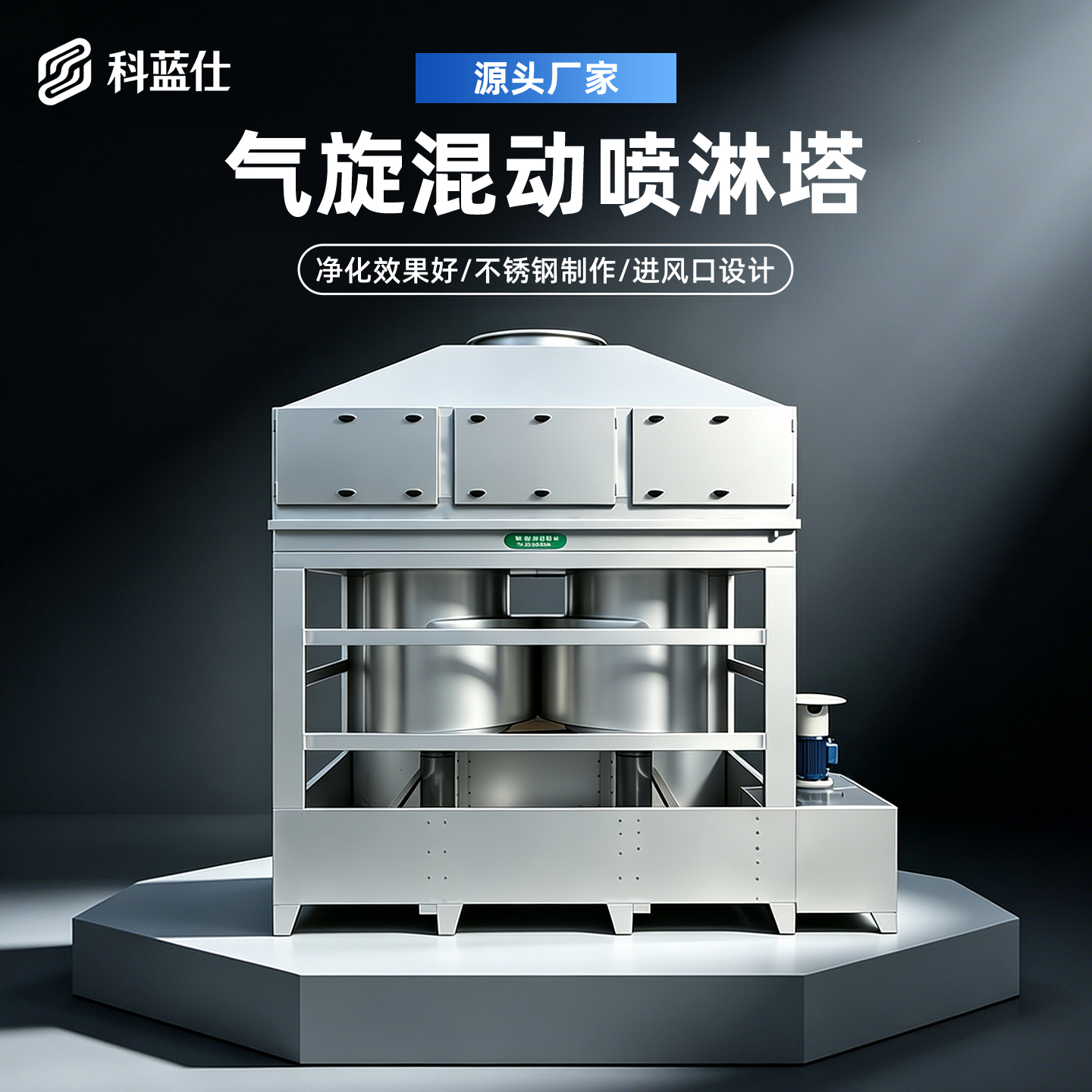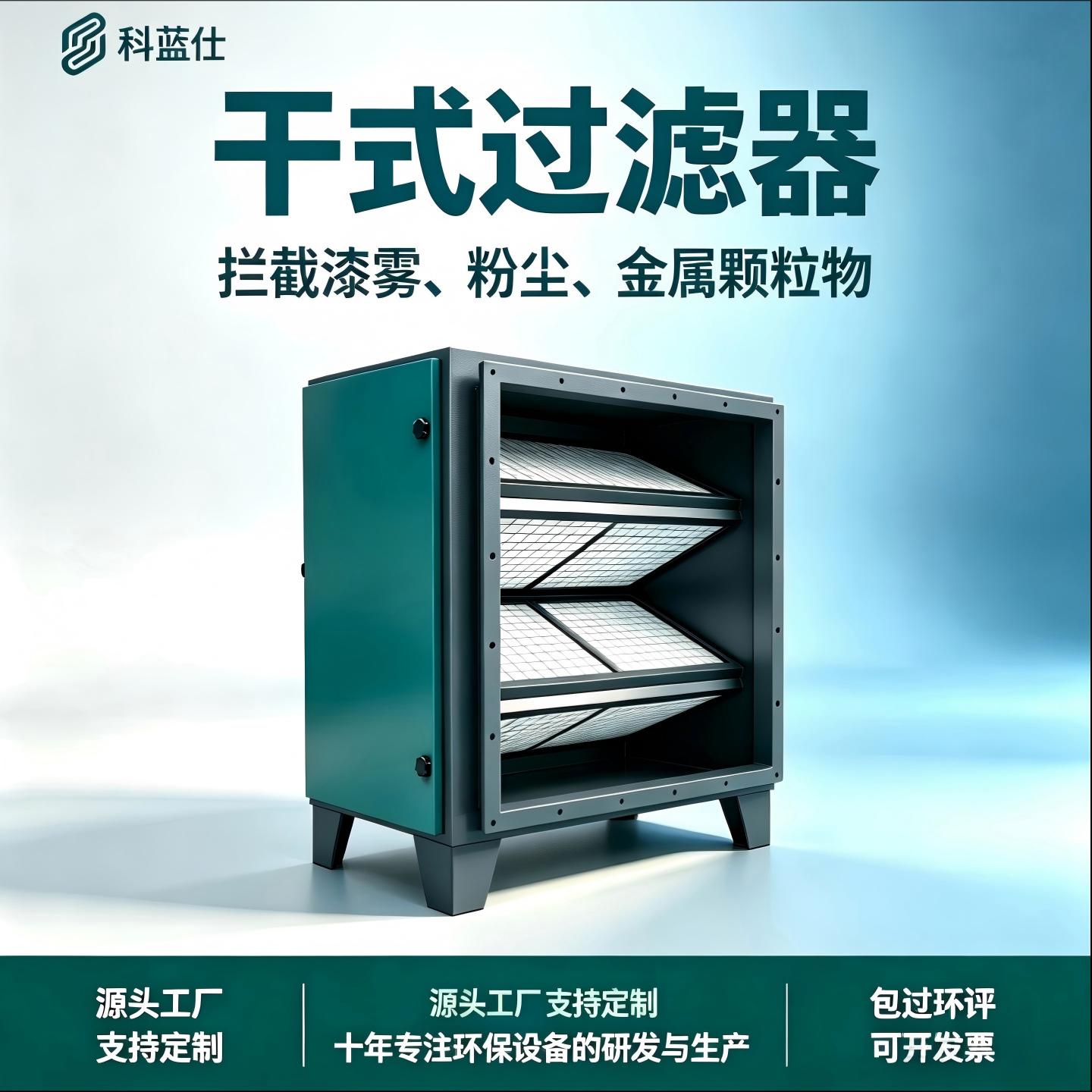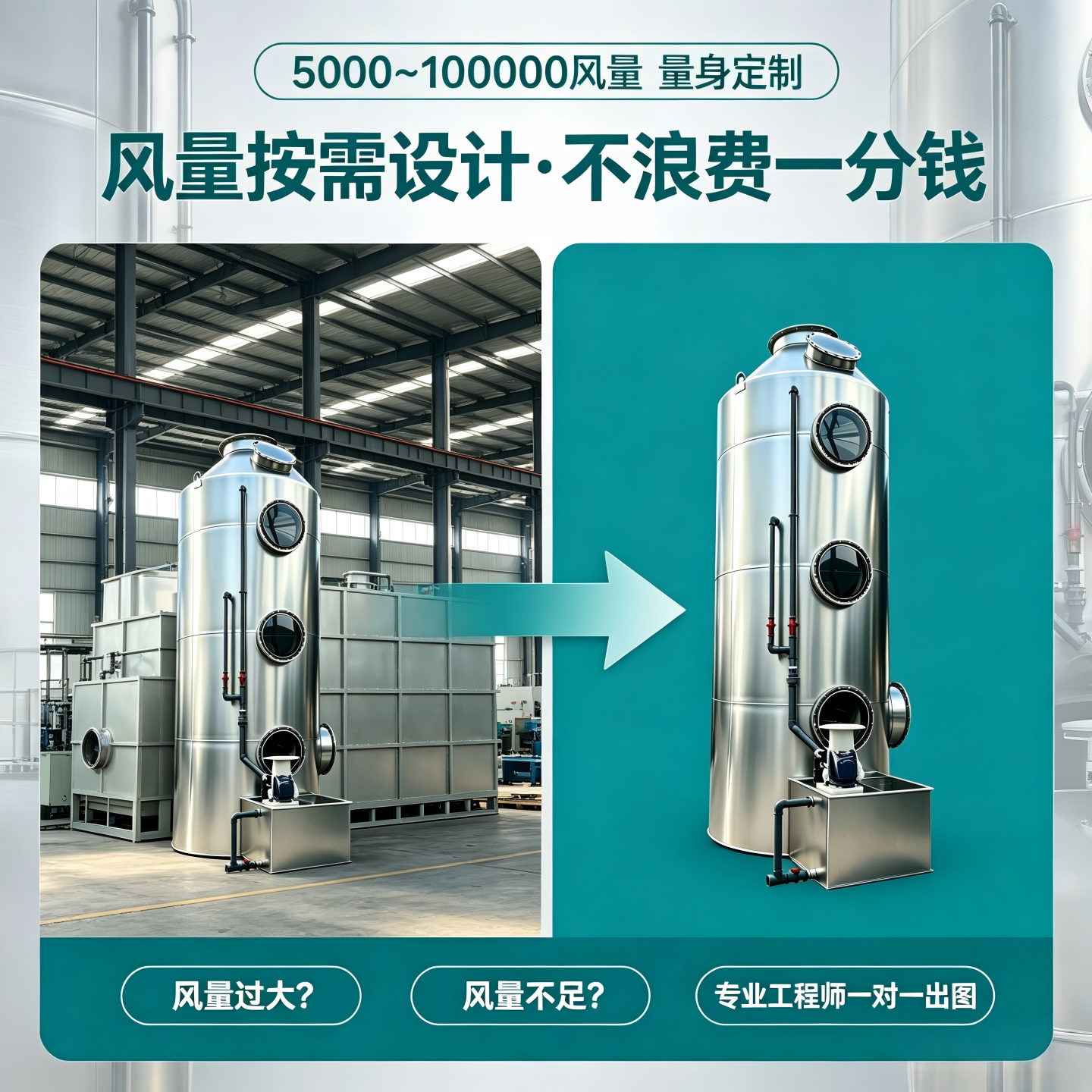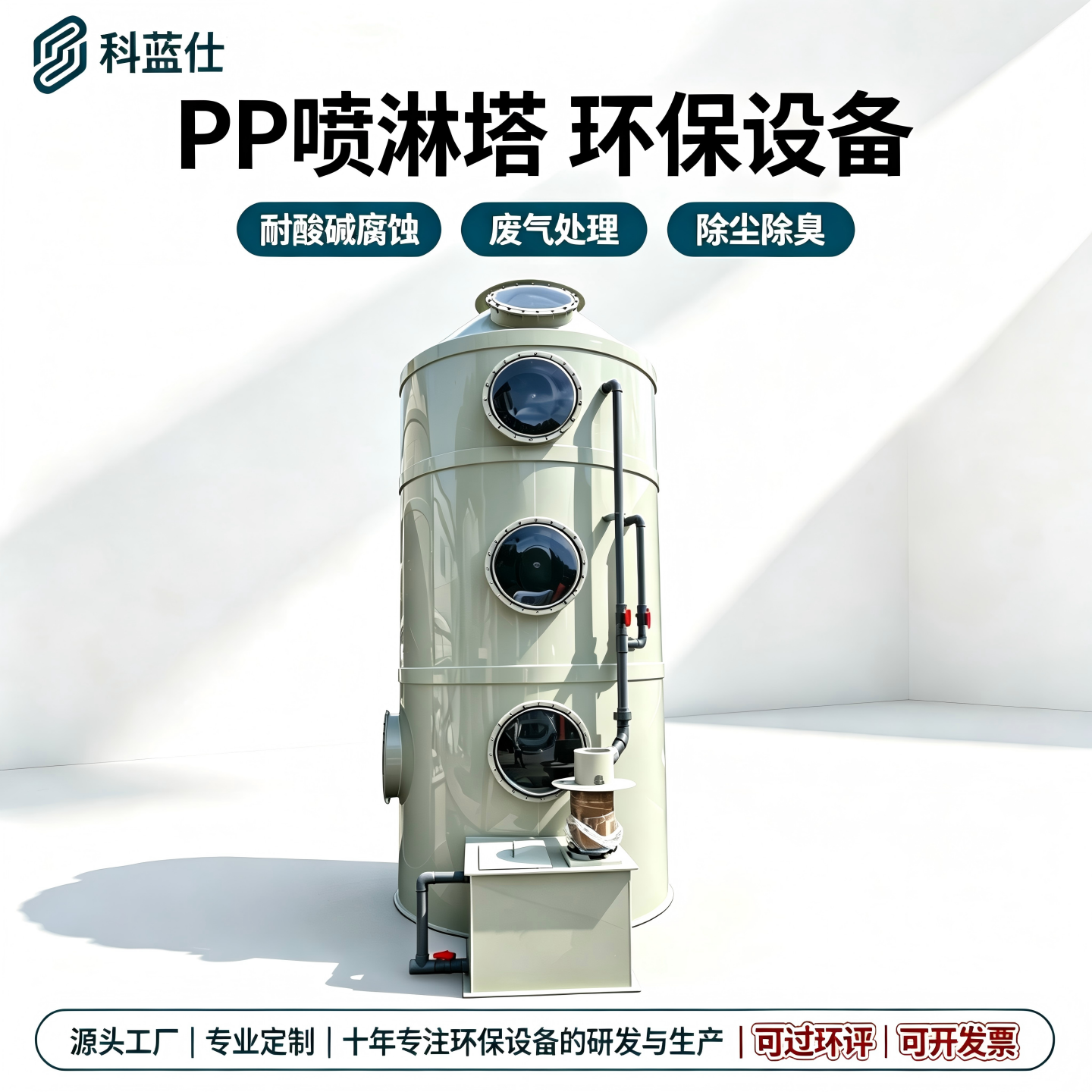
Send airflow, pollutant type, material preference, voltage and destination. PureAirTek will recommend suitable industrial equipment and quote range.
A UV photolysis deodorization unit uses ultraviolet lamps and oxidation reactions to reduce some light odor compounds in relatively clean exhaust. It is best viewed as a pretreatment or odor-reduction device, not as a universal VOC compliance system.
| Application | Typical Exhaust | Engineering Note |
| Light odor ventilation | Low-concentration odor with low dust | Works only when lamp surfaces stay clean. |
| Kitchen or food processing odor | Odor after grease removal | Needs oil mist filtration before UV section. |
| Wastewater station odor pretreatment | Mixed low-concentration odor | Often paired with wet scrubber or activated carbon polishing. |
| Small workshop exhaust | Intermittent odor | Suitable only after confirming composition and safety. |
UV photolysis is not appropriate for heavy dust, high oil mist, high humidity with droplets, high-concentration solvent VOC, explosive exhaust or strict VOC destruction requirements by itself. If the exhaust contains solvent VOCs, activated carbon, RCO or RTO should be reviewed.
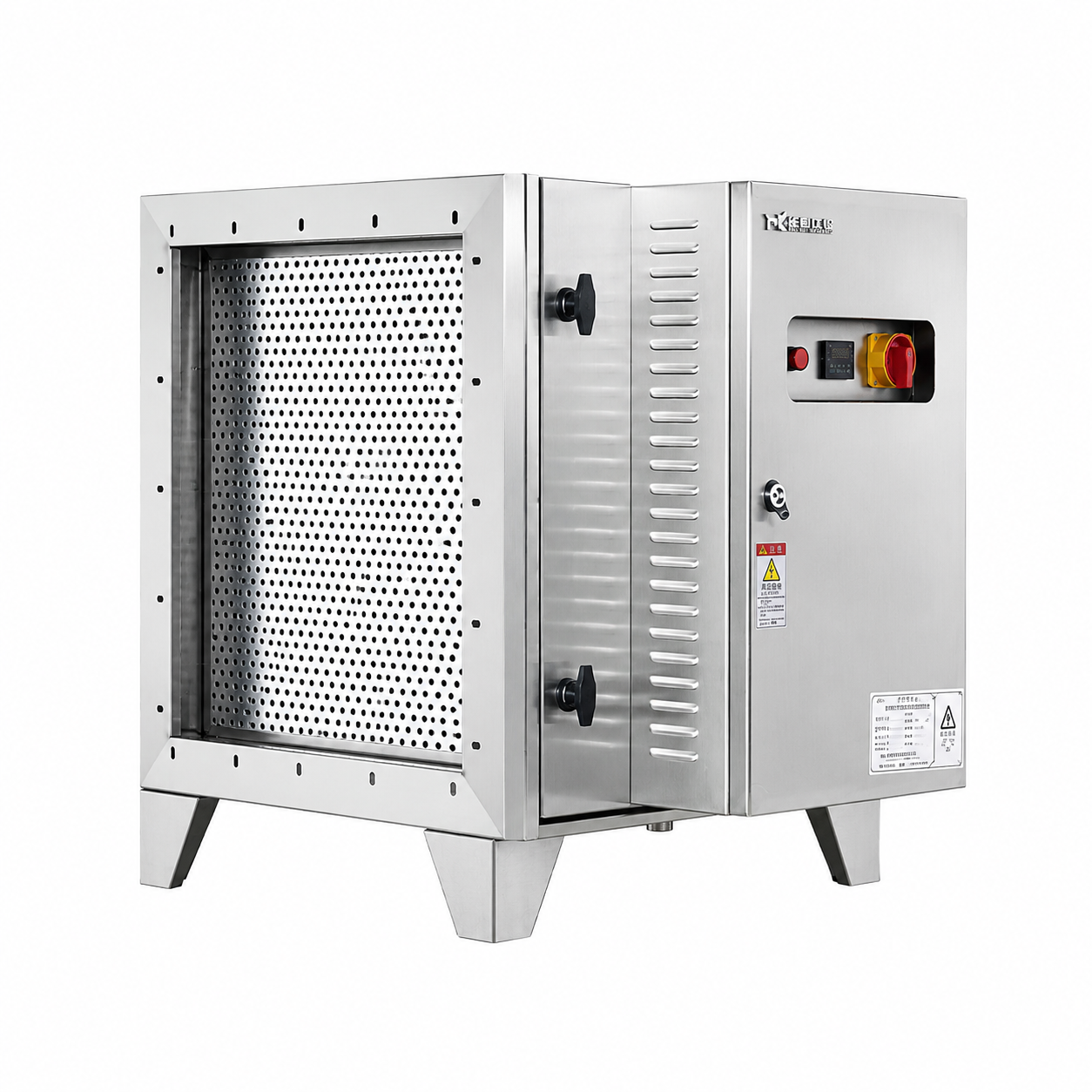
The system usually includes capture hood, pre-filter or oil mist purifier, UV photolysis chamber, optional activated carbon polishing, fan and stack. The pre-filter stage is critical because dirty lamps quickly lose effectiveness.
| Parameter | What to Confirm | Design Impact |
| Airflow | Exhaust volume and duct layout | Determines chamber size and residence time. |
| Odor type | Organic odor, sulfur odor, kitchen odor or mixed gas | Determines whether UV is suitable or only partial pretreatment. |
| Oil and dust | Grease, particles or sticky mist present? | Decides front-end filtration requirement. |
| Maintenance | Lamp cleaning and replacement access | Affects long-term performance. |
Provide airflow, odor source, oil mist or dust condition, temperature, humidity, operating hours, desired odor reduction, duct size, voltage and destination country.
Contact:
Phone:
Email: sales@pureairtek.com
Add:
We chat