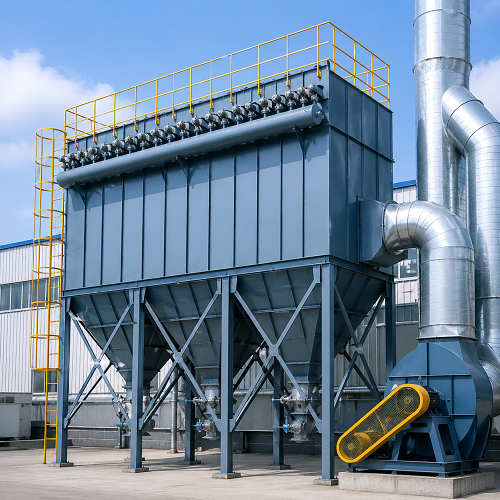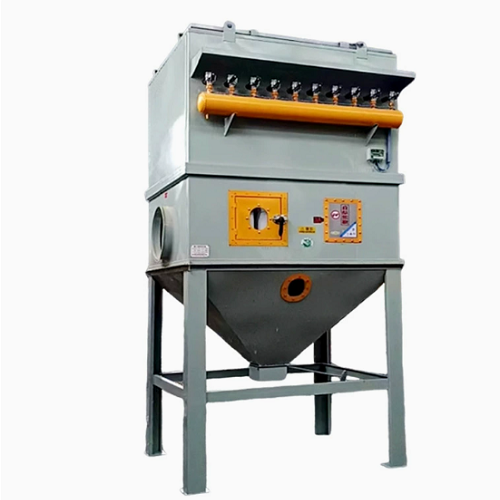
Dry Filter Box Before Activated Carbon: When Pre-Filtration Is Essential
Activated carbon works by adsorption. It is not a dust collector, paint-mist separator or oil filter. Where an exhaust stream carries particles, sticky aerosol or condensable material, a dry filter box is often the protection stage that keeps the carbon bed usable and predictable.
What damages a carbon bed upstream
- Paint mist and resinous aerosol coat the pellet surface and block pores.
- Fine dust increases pressure drop and creates uneven flow through the bed.
- Oil smoke and condensate can foul media and create odor-release problems during temperature changes.
- Sparks or hot particulate require a separate safety assessment before any carbon stage.
When a dry filter box belongs in the process
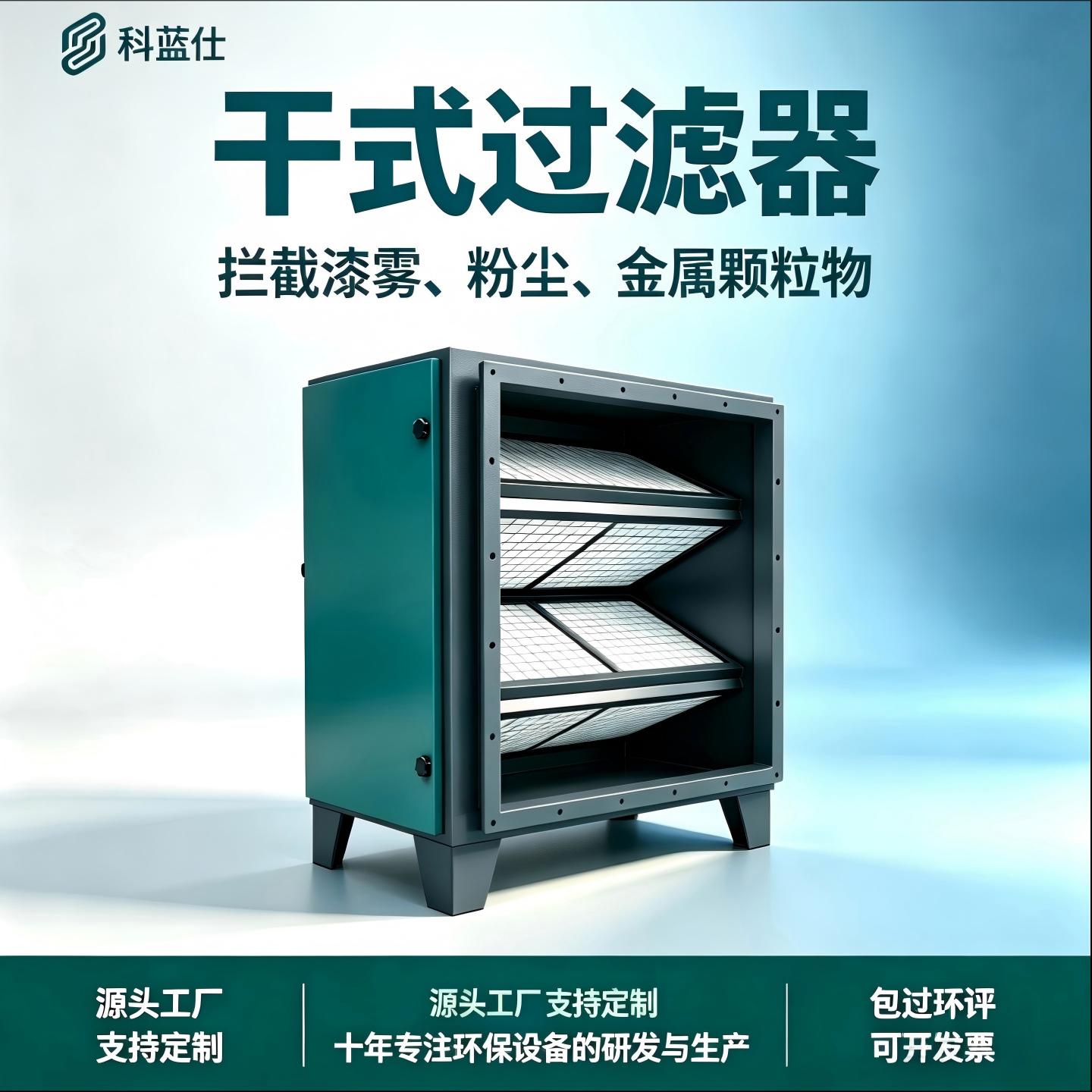
Use dry pre-filtration when the main duty is removal of particulate or aerosol before VOC adsorption. It is commonly positioned after source capture and, where required, after cooling or mist separation. The equipment sequence must follow the actual contaminant: a wet scrubber may be needed for soluble gases, while a dry filter box is useful for dry particulate. Do not add stages just to lengthen a process diagram.
Specify more than “a filter box”
| Selection item | Engineering question |
|---|---|
| Particle character | Is it dry, fibrous, abrasive, sticky or likely to carry oil? |
| Airflow and face velocity | Can the filter area hold a reasonable resistance as loading rises? |
| Filter stages | Is a coarse stage needed to protect a final stage and extend service life? |
| Maintenance access | Can operators change filters without bypassing contaminated air? |
| Pressure monitoring | Will a gauge or differential-pressure point trigger filter change at the right time? |
Carbon performance depends on clean, stable air
A protected carbon adsorber has more consistent pressure drop and more usable adsorption capacity. The design should still include carbon type, bed depth, expected inlet VOC load, humidity, temperature and change-out method. Pre-filtration cannot compensate for an undersized carbon bed or an untreated high-temperature stream.
Inquiry checklist
Provide airflow, contaminants, temperature, humidity, visible mist or dust, operating schedule, current duct layout and target treatment technology. With this information, the supplier can decide whether a dry filter box, mist separator, cooling section, spark protection or different upstream collector is actually required.