Dust Collector Selection for Chemical Processing
Introduction
Chemical plants handle powders, granules, additives, pigments, catalysts, resins and process materials that can create difficult dust collection conditions. This guide explains how buyers select baghouse, cartridge and specialty dust collectors for chemical processing conditions for B2B industrial buyers, plant managers, distributors, engineering contractors and procurement teams that need dependable equipment rather than a generic blog overview.
A chemical dust collection project must consider dust particle size, explosibility, moisture, corrosive gases, toxicity, temperature, equipment layout, cleaning method and maintenance access. PureAirTek designs industrial dust collection systems with this full operating environment in mind, because chemical dust control affects compliance, worker protection, product recovery, housekeeping and production continuity.
The purpose of this article is to help buyers understand how chemical dust collection equipment works, how to compare system options, how to reduce operating cost and how to avoid failures that appear after installation.
Industry Background
Chemical manufacturing can include raw material receiving, pneumatic conveying, batching, mixing, milling, sieving, drying, packaging, reactor charging and waste handling. Each stage may release airborne dust. Fine powders can escape through small openings, while sticky or hygroscopic powders may build up inside ducts and filters. Some powders are valuable and must be recovered cleanly; others must be controlled because of health, odor or environmental concerns.
Unlike simple workshop dust, chemical dust may be combustible, corrosive, toxic, moisture sensitive or difficult to discharge. A dust collector that works well for woodworking or metal grinding may fail quickly in a chemical plant if filter media, sealing, explosion protection and discharge design are not reviewed. PureAirTek evaluates the complete process instead of recommending equipment only by airflow.
Environmental pressure is also increasing. Buyers want equipment that supports stable emission control, easier inspections and documentation for customer audits. A well-designed system helps factories improve air quality while reducing downtime caused by blocked filters, unsafe dust accumulation or poor capture.
| Process Area | Typical Dust Source | Recommended Control Focus | Buyer Risk |
|---|---|---|---|
| Material charging | Powder dumping and bag opening | Local hood and cartridge or baghouse collector | Dust escape and operator exposure |
| Mixing and blending | Dry powder turbulence | Enclosed capture and stable airflow | Fine dust leakage |
| Milling and grinding | Fine high-load dust | Robust filtration and explosion review | Filter overload or ignition risk |
| Drying | Warm dust-laden exhaust | Temperature-resistant filtration | Condensation and media failure |
| Packaging | Filling and weighing dust | Point capture and clean discharge | Product loss and poor housekeeping |
Equipment Working Principle
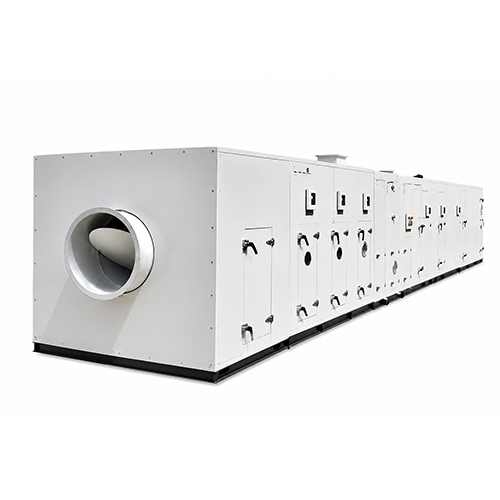
A chemical dust collection system captures dusty air near the emission source and transports it through ductwork into a dust collector. Inside the collector, dust is separated from air by filter bags, filter cartridges or specialty filtration media. Cleaned air is discharged to atmosphere or recirculated only when regulations and safety conditions allow.
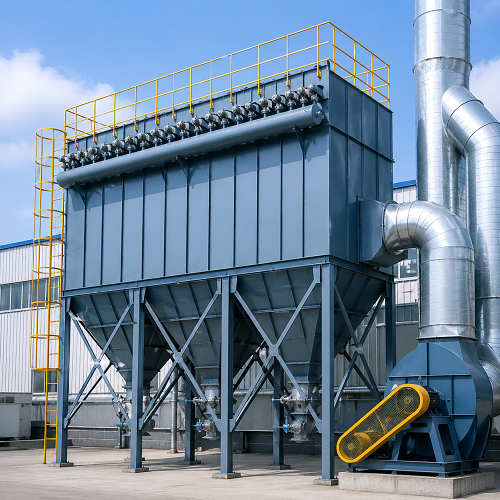
Baghouse dust collectors are often used for larger air volume, high dust loading and continuous processes. Dust-laden air enters the housing, heavier particles drop into the hopper and fine particles collect on filter bags. Pulse jet cleaning sends compressed air through the bags to remove dust cake and restore airflow.
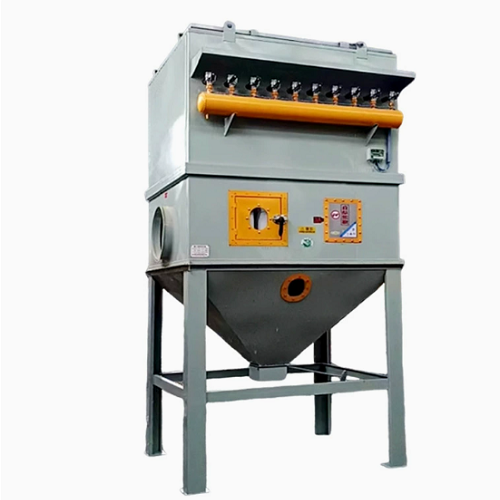
Cartridge dust collectors use pleated filter cartridges with high filtration area in a compact housing. They are useful for fine dust, limited floor space and many process capture points. However, sticky, humid or heavy-load chemical dust may require special cartridge media, pre-separation or a baghouse instead.
Explosion protection may include explosion vents, flameless vents, isolation valves, spark detection, grounding, antistatic media and safe discharge devices. The correct protection depends on dust explosibility data and local codes.
| Component | Function | Chemical Plant Consideration |
|---|---|---|
| Capture hood | Collects dust near source | Must not interfere with production |
| Ductwork | Transports dust-laden air | Velocity must prevent settling |
| Filter media | Separates dust from air | Selected by particle size, chemistry and humidity |
| Pulse cleaning | Removes dust cake from filters | Needs stable compressed air |
| Hopper and discharge | Collects and removes dust | Must prevent bridging, leakage and unsafe accumulation |
| Fan and controls | Maintains airflow | Should match pressure loss and process schedule |
Technical Specifications
Technical specifications should be built around real process data. Buyers should provide airflow requirements, dust type, particle size, dust concentration, moisture, temperature, chemical characteristics, explosion data, operating hours, emission target and site layout. PureAirTek uses this information to recommend dust collector type, filter area, cleaning system, fan capacity and safety configuration.
| Specification | Typical Range or Option | Why It Matters |
|---|---|---|
| Airflow | 2,000-100,000+ m3/h | Defines collector size and fan capacity |
| Filter type | Bag, cartridge or specialty media | Matches dust loading and particle properties |
| Filter media | Polyester, PTFE membrane, antistatic, high temperature | Controls efficiency, durability and safety |
| Cleaning method | Pulse jet compressed air | Maintains airflow during production |
| Pressure drop | Project dependent | Affects fan energy and maintenance timing |
| Dust discharge | Rotary valve, screw conveyor, sealed bin | Prevents leakage and dust accumulation |
| Explosion protection | Vent, isolation, antistatic grounding | Required for combustible dust conditions |
Selection Guide
The first selection question is dust behavior. Free-flowing mineral or chemical powders can often be handled with a conventional baghouse or cartridge collector. Sticky, hygroscopic or oily dust may require special media, lower filtration velocity, pre-separation or heated ducts. Combustible dust requires an explosion safety review before final equipment selection.
The second question is process duty. Continuous high-load processes usually need larger filter area and reliable dust discharge. Intermittent packaging or batching stations may use compact cartridge collectors if dust is dry and compatible. For high temperature chemical drying exhaust, media and materials must be selected carefully.
The third question is maintenance. If operators cannot reach filters, valves or hoppers safely, the system will not be maintained correctly. PureAirTek recommends reviewing access platforms, filter replacement method, compressed air quality and dust disposal procedure before purchase.
| Condition | Recommended Direction | Reason |
|---|---|---|
| High dust loading | Baghouse dust collector | Handles heavy dust cake and larger systems |
| Fine dry powder with limited space | Cartridge dust collector | Compact with high filtration area |
| Combustible powder | Explosion-protected collector | Reduces risk from ignition events |
| Sticky or humid powder | Special media or preconditioning | Prevents rapid filter blockage |
| Corrosive exhaust | Material and coating review | Protects collector housing and ducts |
Application Industries
Chemical dust collection systems are used in pigment plants, resin production, fertilizer handling, plastic additives, catalyst manufacturing, battery materials, powder coating materials, pharmaceutical chemicals, rubber additives and specialty chemical processing. The equipment may collect product dust for reuse or remove unwanted airborne contaminants from process areas.
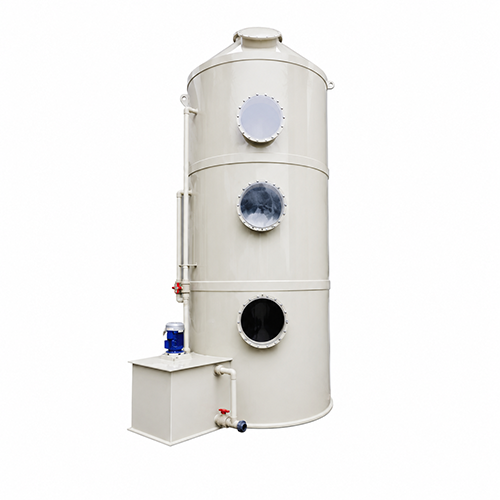
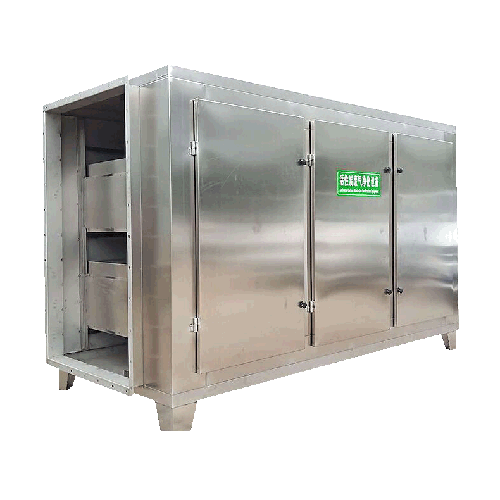
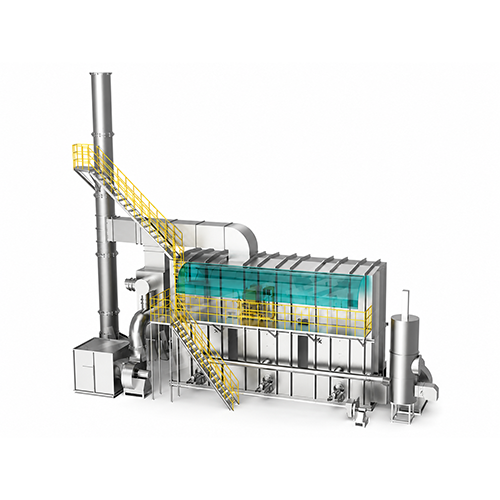
Many chemical plants also need VOC treatment equipment. A facility may use dust collectors for powder handling and activated carbon adsorbers, spray tower scrubbers or RCO catalytic oxidizers for solvent or odor exhaust. PureAirTek can help buyers evaluate combined dust and VOC treatment systems when both pollutant types appear in the same plant.
Advantages and Benefits
A properly designed chemical dust collector improves workshop cleanliness, reduces visible emissions, protects downstream equipment and supports regulatory compliance. It can also recover valuable powders and reduce product loss during filling, mixing or conveying.
From an operating cost perspective, correct airflow design is important. Oversized fans waste energy, while undersized systems fail to capture dust. Good filter media selection reduces replacement frequency and improves uptime. Stable pulse cleaning helps maintain pressure drop and filtration efficiency.
| Benefit | Business Value | Engineering Requirement |
|---|---|---|
| Cleaner workshop | Improves housekeeping and worker comfort | Correct hood and airflow design |
| Emission control | Supports inspections and customer audits | Appropriate filter media and sealing |
| Product recovery | Reduces powder waste | Clean discharge and compatible materials |
| Lower downtime | Supports production continuity | Reliable cleaning and maintenance access |
| Safety improvement | Reduces dust accumulation risk | Explosion review and safe operation |
Installation Considerations
Installation begins with source mapping. Engineers should identify each dust emission point, required capture airflow, duct route, collector location, fan position and discharge method. Duct velocity must be high enough to prevent powder settling, but not so high that it creates excessive pressure loss or erosion.
For combustible chemical dust, equipment location matters. Explosion venting must discharge to a safe area, or flameless venting may be needed indoors. Isolation devices should prevent flame propagation back into ducts or upstream equipment. Electrical grounding and antistatic filter media may also be required.
Operators need access to filters, pulse valves, compressed air regulators, hoppers, discharge valves and inspection doors. Maintenance access should be designed before installation, not added after problems appear.
Maintenance Guide
Maintenance should focus on airflow, pressure drop, filter condition, pulse cleaning, hopper discharge and safety devices. A rising pressure drop may indicate filter blinding, moisture, sticky dust or inadequate pulse cleaning. A falling pressure drop may indicate filter damage or leakage.
Hoppers should not be used as storage bins. Accumulated dust can bridge, harden or create safety issues. Discharge valves and sealed bins should be inspected regularly. Compressed air should be dry and stable because weak pulse cleaning quickly reduces collector performance.
| Maintenance Task | Frequency | Purpose |
|---|---|---|
| Check pressure drop | Daily or weekly | Tracks filter condition |
| Inspect pulse valves | Monthly | Maintains cleaning performance |
| Check hopper discharge | Daily | Prevents dust accumulation |
| Inspect filter media | Scheduled service | Prevents leakage and efficiency loss |
| Review compressed air | Weekly | Supports pulse cleaning |
| Test safety devices | By site policy | Confirms explosion protection readiness |
Common Problems and Solutions
One common problem is poor capture at the source. The collector may be large enough, but the hood is too far from the dust release point or duct balancing is incorrect. Improving source capture often solves dust complaints without increasing total airflow.
Another common problem is filter blinding. Chemical powders that absorb moisture or contain sticky components can block filter media quickly. Solutions include process conditioning, different media, lower air-to-cloth ratio or improved pre-separation.
Dust leakage can occur from damaged filters, poor seals, loose access doors or overloaded hoppers. For chemical plants, leakage is not only a cleanliness issue; it may affect product quality, worker exposure and environmental compliance.
| Problem | Likely Cause | Practical Solution |
|---|---|---|
| Dust escapes from machine | Poor hood design or low airflow | Adjust hood, duct balance and capture velocity |
| High pressure drop | Blinded filters or weak pulse cleaning | Check media, compressed air and dust moisture |
| Dust in clean air outlet | Filter damage or seal leak | Inspect filters and tube sheet sealing |
| Hopper blockage | Bridging or poor discharge design | Improve discharge device and cleaning schedule |
| Frequent filter replacement | Wrong media or high dust load | Review filtration velocity and media selection |
Practical Industrial Example
A chemical additive plant may experience dust escape during bag dumping and mixer charging. The old exhaust fan pulls air from the room but does not capture dust at the source. PureAirTek would review the dumping station opening, hood position, duct velocity and collector size. A compact cartridge collector may work for dry fine powder, while a baghouse may be better if dust load is heavy.
A pigment plant may need stronger equipment because pigment dust is fine and can create visible emissions even at small leakage points. PTFE membrane filter media, careful sealing and stable pulse cleaning may be needed to maintain outlet cleanliness.
Detailed Engineering Review and Buyer Checklist
Before buying equipment, buyers should prepare dust type, SDS information, particle size, moisture, temperature, airflow estimate, process drawings, operating hours, discharge requirements and explosion data if available. If dust explosibility is unknown, the project should not ignore the question; testing or professional review may be needed.
The quotation should define collector type, filter area, air-to-cloth ratio, media, fan power, pressure drop, dust discharge, controls, materials, access doors and safety devices. Dongguan Kelong Environmental Technology Co., Ltd. supports PureAirTek with manufacturing experience for industrial dust collection and air pollution control equipment.
Internal Links for Topic Cluster
Related product pages: Baghouse Dust Collectors, Cartridge Dust Collectors, Industrial Air Pollution Control Equipment, Activated Carbon Adsorbers.
Related application pages: Chemical Industry Dust Collection, Industrial Dust Collection Systems, VOC Treatment Equipment.
Related knowledge articles: How to Design an Industrial Dust Collection System, Dust Collection System Pressure Loss Calculation, Industrial Air Pollution Control Equipment Guide.
Commissioning, Acceptance and Operating Cost Review
Chemical plant dust collection should be commissioned under real production conditions, not only with the fan running empty. The project team should measure airflow at key hoods, total system pressure drop, fan current, pulse cleaning pressure, hopper discharge behavior and outlet condition. If possible, production should run at normal and peak load during acceptance so operators can see how the system responds to actual powder release.
Operating cost is influenced by fan energy, compressed air use, filter replacement, discharge maintenance, downtime and housekeeping labor. A collector with insufficient filter area may look cheaper at purchase but can consume more compressed air and require more frequent filter replacement. PureAirTek recommends comparing lifecycle cost, not only equipment price, especially for continuous chemical processing lines.
Documentation is also important. The handover package should include equipment drawings, filter media specifications, fan data, electrical diagrams, cleaning settings, maintenance schedule, safety device information and spare parts list. These documents help procurement teams prepare replacement filters and help maintenance teams troubleshoot pressure drop or airflow changes quickly.
After several weeks of operation, the factory should review pressure trend, dust discharge stability, filter condition, compressed air quality and operator feedback. Early review can catch duct settling, hopper bridging, moisture problems or incorrect cleaning intervals before they become production stoppages. This practical follow-up is often the difference between a dust collector that only passes start-up and a system that performs reliably for years.
FAQ Section
1. What dust collector is best for chemical plants?
The best choice depends on dust loading, particle size, moisture, explosibility, corrosion and airflow. Baghouse collectors suit heavy-duty processes, while cartridge collectors work well for fine dry dust and compact installations.
2. Do chemical dust collectors need explosion protection?
If dust is combustible, explosion protection should be reviewed. This may include venting, isolation, antistatic media, grounding and safe discharge design.
3. How can chemical plants reduce filter replacement cost?
Use correct filter media, avoid moisture problems, maintain pulse cleaning, control dust loading and select the right filtration velocity.
4. Why does dust still escape when the collector is running?
Dust escape is often caused by poor hood position, low capture velocity, duct imbalance or process changes rather than collector size alone.
5. What data is needed for a quote?
PureAirTek needs airflow, dust type, particle size, moisture, temperature, process layout, operating hours, emission target and explosion risk information.
6. Can dust collection and VOC treatment be combined?
Yes. Many chemical plants need dust collectors for powders and activated carbon, scrubbers or RCO systems for VOC or odor exhaust. The systems should be engineered together.
Conclusion
Dust Collector Selection for Chemical Processing is an engineering decision that affects compliance, safety, production cleanliness and operating cost. Chemical plants should evaluate dust behavior, capture design, filtration media, discharge method, explosion protection and maintenance access before purchasing equipment.
PureAirTek helps industrial buyers select baghouse dust collectors, cartridge dust collectors and complete air pollution control systems for chemical manufacturing environments.
Request a Quote CTA
Contact PureAirTek with your chemical process, dust type, airflow, operating schedule and emission target to request a customized proposal. Dongguan Kelong Environmental Technology Co., Ltd. can support equipment manufacturing, technical documentation and project engineering for global chemical dust collection applications.
Request a Quote from PureAirTek for chemical plant dust collection systems, baghouse dust collectors, cartridge collectors and integrated industrial air pollution control equipment.