RTO System for High Concentration VOC Exhaust
Published plan: 2026-07-04 10:00:00. Intent type: Application. This article is part of the PureAirTek industrial equipment SEO publishing plan.
Overview
RTO System for High Concentration VOC Exhaust is written for factory owners, purchasing teams and environmental managers who need practical guidance before selecting air pollution control equipment. The topic belongs to the RTO Thermal Oxidizer cluster and connects equipment selection with real industrial operating conditions.
PureAirTek focuses on industrial equipment supply for dust, VOC, odor and exhaust gas control. The goal is not only to describe a technology, but to help buyers prepare the right data, avoid wrong selection and request a more accurate quotation.
Industrial Problem
Factories usually start searching for rto thermal oxidizer solutions after dust leakage, odor complaints, VOC emission pressure, filter blockage, high pressure drop or unstable workshop air quality. If the source of pollution is not defined clearly, the selected equipment may be too small, too expensive to operate or difficult to maintain.
The first step is to identify the pollutant type. Dry dust, sticky powder, oil mist, acid gas, organic VOCs and high-temperature exhaust require different equipment. The second step is to confirm airflow and process conditions. The same equipment name can perform very differently under different temperature, humidity and concentration conditions.
Recommended Equipment
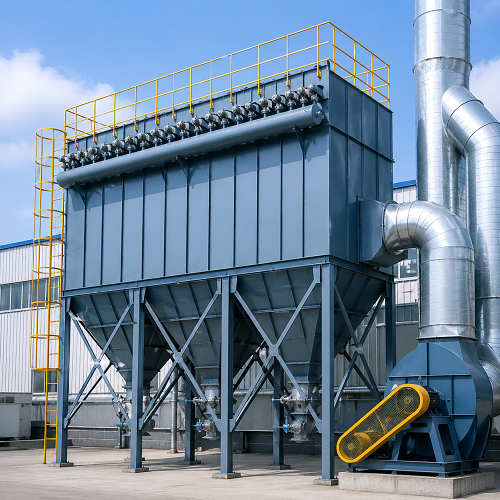
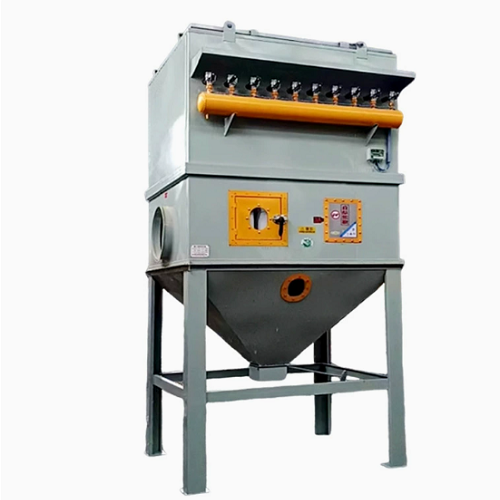
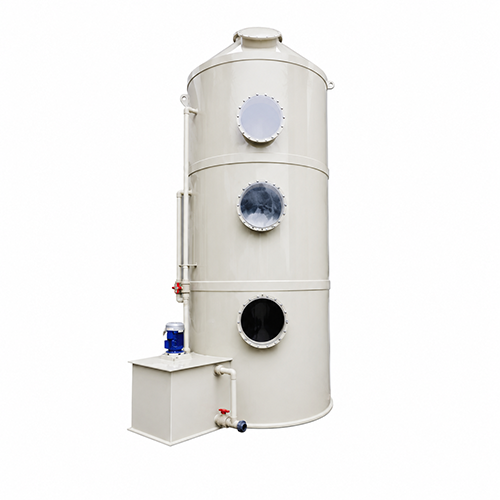
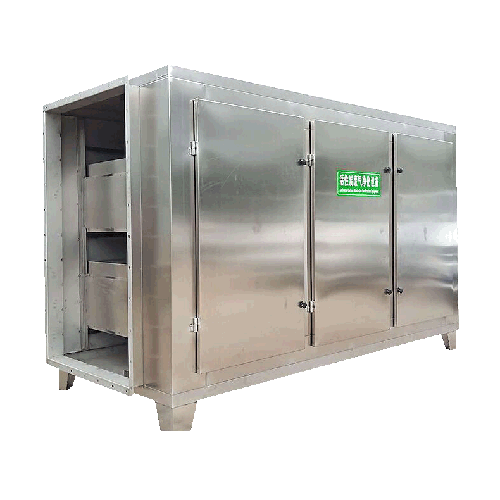
Depending on the application, PureAirTek may recommend dust collectors, activated carbon adsorbers, wet scrubber towers, RCO catalytic oxidizers, RTO thermal oxidizers, cyclone separators or exhaust fans. Related product pages include Baghouse Dust Collectors, Cartridge Dust Collectors, Activated Carbon Adsorbers, Spray Tower Scrubbers, RCO Catalytic Oxidizers, RTO Thermal Oxidizers.
| Condition | Recommended Direction | Reason |
|---|---|---|
| Dry particulate dust | Baghouse or cartridge dust collector | Stable filtration and dust recovery |
| Low concentration VOC or odor | Activated carbon adsorber | Simple operation and flexible installation |
| Soluble or acid gas | Wet scrubber tower | Gas-liquid contact removes soluble pollutants |
| Medium or high VOC load | RCO or RTO equipment | Oxidation reduces organic exhaust concentration |
Selection Logic
Equipment selection should start with source capture. For dust, the design should review dust point quantity, hood position, duct velocity, particle size and dust load. For VOC or odor, the design should review gas composition, concentration fluctuation, temperature, humidity and whether pre-filtration is required.
Airflow is one of the most important quotation inputs. Oversizing increases fan power and equipment cost. Undersizing causes escape dust, odor leakage or unstable emission performance. A good buyer inquiry should include both total airflow and the number of exhaust points.
Cost Factors
The cost of rto thermal oxidizer equipment is influenced by airflow, material, filter area, fan pressure, control system, safety options, shipping dimension, installation conditions and emission target. A low purchase price may create higher operating cost if pressure drop is high or filter replacement is frequent.
| Cost Item | What Affects It | Buyer Note |
|---|---|---|
| Equipment cost | Airflow, material, treatment stage | Compare specification, not only price |
| Operation cost | Fan power, compressed air, fuel or electricity | Check lifecycle cost |
| Maintenance cost | Filter, carbon, catalyst, pumps, valves | Ask spare parts cycle |
| Installation cost | Ductwork, platform, electrical work, crane | Confirm site conditions early |
Common Mistakes
Common mistakes include selecting equipment only by airflow, ignoring pollutant concentration, using the wrong filter media, placing the collector too far from the dust source, forgetting maintenance access and buying a low-cost system without checking pressure drop or spare parts availability.
When comparing equipment, buyers should look at removal efficiency, airflow range, pressure drop, energy use, maintenance workload, spare parts and total lifecycle cost. This is especially important for overseas buyers because shipping, installation and after-sales cost can be significant.
Application Scenarios
RTO Thermal Oxidizer applications can appear in woodworking, painting, printing, plastic processing, rubber production, food processing, pharmaceutical powder handling, chemical plants, metal fabrication, welding, foundry, battery production and packaging factories.
Each industry has different operating habits. For example, powder handling needs dust collection and safe discharge, while coating and printing usually need VOC capture and adsorption or oxidation. Mixed exhaust may require pre-treatment before the core equipment.
Quotation Checklist
For a useful quotation, provide airflow, pollutant type, concentration, temperature, humidity, operating hours, factory layout, voltage, destination country and any emission target. Photos, layout drawings and existing equipment information can shorten the quotation process and reduce misunderstanding.
- Pollutant type and process source
- Airflow and exhaust point quantity
- Temperature, humidity and concentration range
- Operating hours per day
- Material preference and corrosion concern
- Voltage, frequency and destination country
- Emission target or local regulation requirement
FAQ
Can one equipment type solve every exhaust problem?
No. Dust, VOC, acid gas and odor may require different treatment methods. Some factories need combined equipment, but each stage should be selected according to the pollutant.
Why does PureAirTek ask for airflow before quoting?
Airflow affects equipment size, fan power, filter area, adsorption volume, scrubber diameter and shipping cost. Without airflow, any price can only be a rough estimate.
Is the cheapest equipment usually the best choice?
Not usually. The correct choice should balance purchase cost, efficiency, maintenance workload, energy use and long-term reliability.
Conclusion
RTO System for High Concentration VOC Exhaust should be evaluated as an industrial equipment decision, not a simple product purchase. A clear process survey and complete quotation data help PureAirTek recommend suitable equipment and avoid unnecessary cost.
Request a Quote from PureAirTek with your airflow, pollutant type and factory process. Dongguan Kelong Environmental Technology Co., Ltd. can support dust collection, VOC treatment, odor control and exhaust gas treatment equipment for global industrial buyers.