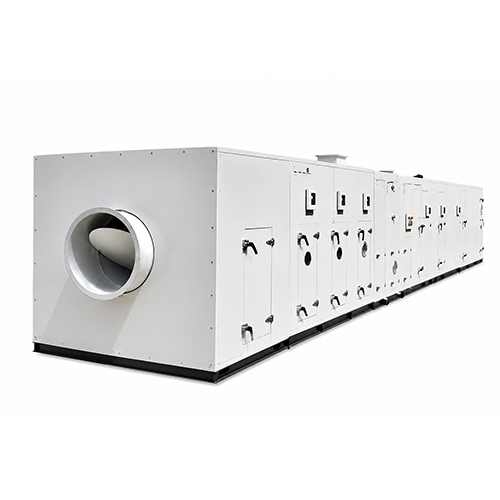
Cartridge Dust Collectors for Pharma Applications
Introduction
Pharmaceutical manufacturing creates fine powder dust during compact cartridge collectors for fine pharmaceutical powders and point-of-use capture. For B2B buyers, a dust collection system is not only a fan and filter. It is part of production hygiene, operator protection, product recovery, maintenance control and long-term facility performance.
PureAirTek designs pharmaceutical dust collection systems for factories that need stable source capture, controlled filter maintenance and clear engineering documentation. The correct solution depends on powder behavior, process layout, containment expectation, airflow demand, cleaning method and safety requirements.
This article combines educational guidance, technical selection advice and manufacturer-level project thinking so procurement managers, distributors and engineering contractors can compare options with confidence.
Industry Background
Pharmaceutical plants handle active pharmaceutical ingredients, excipients, binders, coatings, nutraceutical powders and intermediate materials. These powders may be fine, cohesive, hygroscopic, valuable or potent. Small dust releases can create room cleaning problems, exposure concerns and quality risks.
Common dust sources include manual charging, bag dumping, weighing, sieve transfer, fluid bed operations, milling, tablet press feeding, capsule filling, bottle filling and packaging. General ventilation may dilute dust, but local extraction is normally required to remove powder before it spreads.
Unlike ordinary industrial dust, pharma powder may require cleanable equipment surfaces, sealed discharge, high-efficiency filtration, documented maintenance and compatibility with quality procedures. PureAirTek reviews the process as a complete operating environment rather than selecting a collector by airflow alone.
| Area | Dust Source | Engineering Focus | Buyer Concern |
|---|---|---|---|
| Dispensing | Manual powder transfer | Local capture | Operator exposure |
| Blending | Charging and discharge | Balanced airflow | Cross-contamination |
| Granulation | Fine process powder | Filter protection | Blockage |
| Tablet press | Compression dust | Point extraction | Machine cleanliness |
Equipment Working Principle
A pharmaceutical dust collection system captures dust-laden air close to the emission source and moves it through ducts or flexible connections into a filtration unit. Filter cartridges, filter bags or secondary filtration separate powder from the air stream. Cleaned air is exhausted safely or returned only when facility requirements allow it.
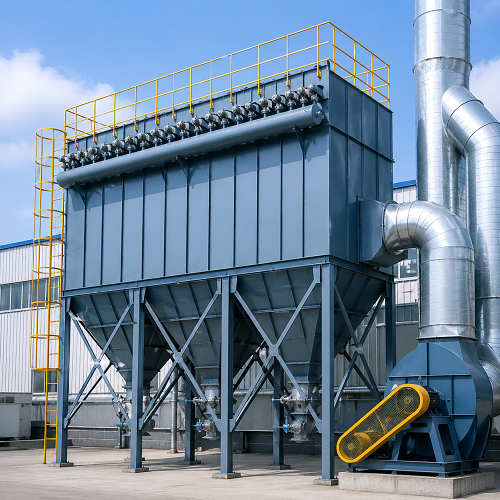
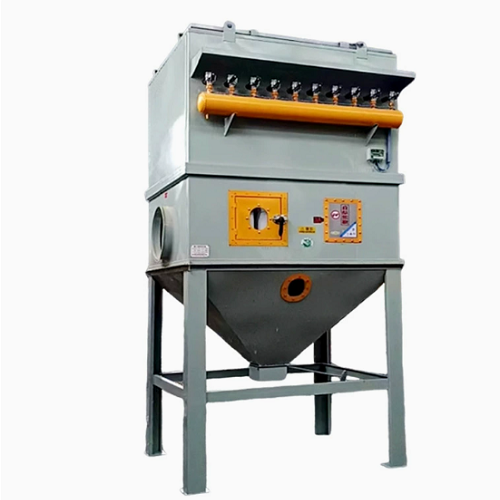
Cartridge dust collectors are often selected for fine dry powders because pleated cartridges provide high filtration area in a compact footprint. Pulse jet cleaning removes dust cake from the cartridges and keeps airflow stable. Baghouse collectors may be used for larger systems or heavier dust loading.
For pharmaceutical applications, discharge design is especially important. Powder should not escape during drawer removal, bin emptying or filter replacement. For potent or sensitive materials, contained discharge and safe filter change may be required.
| Parameter | Typical Option | Why It Matters |
|---|---|---|
| Airflow | 500-50,000+ m3/h | Matches source capture |
| Filter media | PTFE, polyester, antistatic, HEPA | Controls efficiency and filter life |
| Housing | Stainless, coated steel, carbon steel | Supports cleanability |
| Discharge | Drawer, sealed bin, contained bag | Reduces dust release |
Technical Specifications
Good specifications start with process data. Buyers should define powder type, particle size, moisture, dust loading, number of pickup points, operating hours, room layout, containment requirements, discharge method and emission target. PureAirTek uses this information to select filter area, fan capacity, cleaning method, material and controls.
Important specification items include airflow, static pressure, filtration velocity, filter media, housing material, discharge device, pressure monitoring, noise level, access doors and spare parts. If the powder is combustible, explosion safety must be reviewed early.
| Condition | Recommended Equipment | Reason |
|---|---|---|
| Fine dry powder | Cartridge dust collector | Compact and efficient |
| Heavy loading | Baghouse or large cartridge system | More filter area |
| Potent material | Contained collection design | Controls exposure |
| Combustible powder | Explosion-protected collector | Addresses ignition risk |
Selection Guide
The first selection step is understanding powder risk. Low-risk excipients may use compact cartridge collectors, while potent APIs may require contained collection. Sticky or hygroscopic powders need careful media selection and may require lower filtration velocity.
The second step is identifying capture points. Tablet presses, capsule fillers and packaging machines often need multiple small pickup points. Weighing and dispensing areas may need hood or booth extraction. Treating the whole room with high airflow is usually less efficient than capturing dust near the source.
The third step is maintenance planning. Filters, pulse valves, bins and seals must be accessible without spreading powder. PureAirTek recommends reviewing filter replacement and dust disposal procedure before purchase.
Application Industries
Pharmaceutical dust collection systems are used in solid dosage manufacturing, nutraceutical production, API handling, excipient processing, capsule filling, tablet production, powder packaging, pilot plants and fine chemical production. Similar principles apply to food supplement and specialty chemical powder facilities.
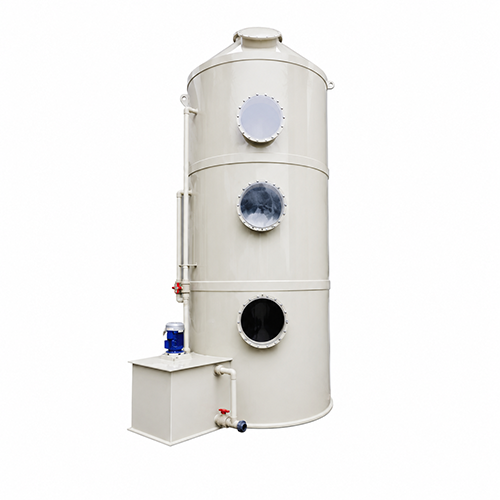
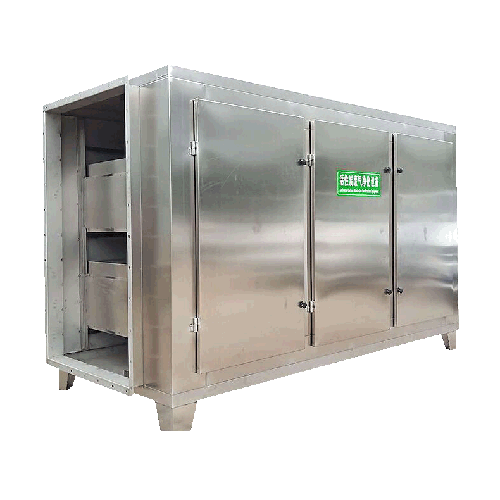
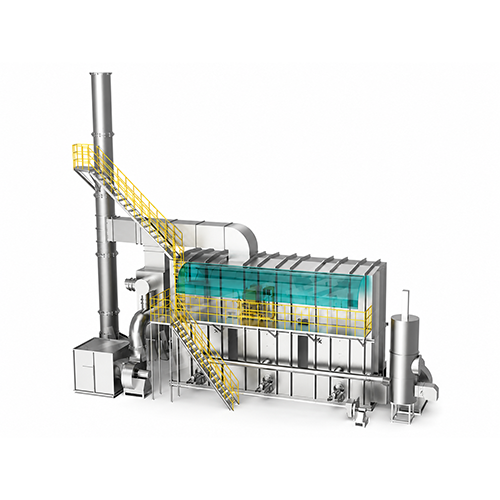
Some plants also need VOC treatment for solvent coating, cleaning or extraction processes. PureAirTek can combine cartridge dust collectors, baghouse dust collectors, activated carbon adsorbers, spray tower scrubbers and RCO catalytic oxidizers when both dust and VOC control are required.
Advantages and Benefits
A properly designed system improves room cleanliness, reduces product loss, supports operator protection and stabilizes production. Local capture reduces the amount of powder settling on machines, floors and packaging surfaces.
For procurement teams, the benefit is not limited to purchase price. Correct airflow, filter media and discharge design reduce downtime, cleaning labor and emergency filter replacement. A reliable system also supports audits because operating records and maintenance procedures are easier to manage.
| Benefit | Business Value | Requirement |
|---|---|---|
| Cleaner rooms | Less housekeeping | Good source capture |
| Lower product loss | Improved yield | Correct hood design |
| Stable production | Less downtime | Reliable filters |
| Audit support | Better documentation | Maintenance records |
Installation Considerations
Installation should begin with a dust source survey. Engineers should map pickup points, duct routes, collector location, fan position, discharge handling and maintenance access. Ducts should avoid unnecessary bends and dead zones where powder can settle.
The system should not interfere with cleanroom pressure, operator movement or equipment access. If the collector is outside the production room, wall penetrations and airflow relationships should be coordinated with facility engineering.
For combustible dust, grounding, antistatic media, explosion venting and isolation should be reviewed. Safety requirements should be included before fabrication, not added as an afterthought.
Maintenance Guide
Maintenance focuses on pressure drop, filter condition, pulse cleaning, compressed air quality, seal integrity and dust discharge. A rising pressure drop often indicates filter blinding, moisture or weak cleaning. A sudden drop may indicate filter damage or leakage.
Operators should follow a written procedure for emptying dust containers, replacing filters and inspecting seals. Spare filters, gaskets and pulse valves should be planned in advance.
| Task | Frequency | Purpose |
|---|---|---|
| Pressure drop check | Daily or weekly | Tracks filter condition |
| Dust bin emptying | By load | Prevents overflow |
| Filter inspection | Scheduled | Confirms integrity |
| Compressed air check | Weekly | Maintains cleaning |
Common Problems and Solutions
Dust around machines is often caused by poor pickup position or low airflow. High pressure drop may come from sticky powder, moisture or incorrect filter media. Dust leakage may come from damaged filters, poor seals or open bin handling.
PureAirTek recommends comparing current readings with commissioning records. Pressure, airflow and production load trends help identify whether the issue is caused by process changes, maintenance gaps or undersized equipment.
| Problem | Likely Cause | Solution |
|---|---|---|
| Dust around machine | Poor pickup point | Adjust hood and airflow |
| High pressure drop | Blinded filter | Review media and pulse cleaning |
| Dust leakage | Damaged seal | Inspect filters and gaskets |
| Messy discharge | Open bin handling | Use sealed collection |
Practical Industrial Example
A tablet plant may have powder around compression machines even though a collector is running. Inspection may show that pickup ports are too far from the dust release point and several hoses are partially blocked. Improving pickup position and duct balance can restore performance without oversizing the collector.
A nutraceutical packaging room may benefit from compact cartridge collectors near each filling line. In this scenario, sealed drawers and easy filter access can be more valuable than a large centralized system.
Commissioning and Cost Control
Commissioning should record airflow at each pickup point, baseline pressure drop, fan current, pulse pressure, dust bin condition and operator training. These values become the reference for troubleshooting.
Operating cost includes fan energy, compressed air, filter replacement, cleaning labor, downtime and spare parts. An undersized collector can be expensive over time because filters clog quickly and production must stop for cleaning.
The handover package should include drawings, filter specifications, operating settings, maintenance schedule and spare parts list. Dongguan Kelong Environmental Technology Co., Ltd. supports PureAirTek with manufacturing and documentation for industrial air pollution control equipment.
Additional Engineering Notes for Pharma Buyers
Product changeover should be reviewed carefully. If multiple products run on the same line, cleanability and inspection access become essential. The collector should not become a hidden place where old powder accumulates.
High-value powder recovery may be attractive, but reuse depends on the facility quality system. Many projects focus on safe removal and contained disposal instead of reuse.
Noise, room pressure and HVAC coordination also matter. A dust collector with the wrong fan or duct layout can disturb operators or interfere with controlled airflow.
Spare parts planning is practical risk control. Filters, gaskets, pulse valves and collection bags should be available before urgent replacement is needed.
Internal Links for Topic Cluster
Related product pages: Cartridge Dust Collectors, Baghouse Dust Collectors, Industrial Air Pollution Control Equipment.
Related application pages: Pharmaceutical Dust Collection, Chemical Industry Dust Collection, Food Processing Dust Collection.
Related knowledge articles: How Does a Cartridge Dust Collector Work?, How to Size a Cartridge Dust Collector, Dust Collector Maintenance Checklist.
Detailed Buyer Checklist for Pharmaceutical Projects
Before approving a pharmaceutical dust collector, the buyer should confirm whether the equipment will be used for a single product or multiple products. Multi-product facilities need stronger cleanability, easier inspection and more disciplined changeover procedures. The collector layout should reduce hidden powder accumulation points, and maintenance staff should be able to visually inspect filters, gaskets, drawers and duct connections.
Containment expectation should be written clearly. Some applications only require general room cleanliness, while others require reduced operator exposure during filter replacement or dust bin emptying. If the powder is potent, toxic, allergenic or difficult to clean, the project may need sealed bins, safe-change filters, bag-out discharge or secondary filtration. These options should be specified early because they affect housing design and service access.
Airflow should be calculated by pickup point, not guessed from room size. Each tablet press, capsule filler, weighing station or packaging machine should have a required capture flow. Duct velocity must prevent powder settling, but excessive velocity increases pressure loss, noise and fan energy. PureAirTek recommends balancing practical capture velocity with lifecycle operating cost.
Filter media should be selected by powder behavior. Very fine dry powders may benefit from PTFE membrane media. Static-sensitive powders may require antistatic media and grounding. Moist or sticky powders may need lower filtration velocity and careful humidity control. A filter that works in one pharmaceutical plant may fail in another if powder behavior is different.
Procurement teams should also request clear documentation. Useful documents include equipment drawings, filter specifications, fan performance, pressure drop range, cleaning settings, spare parts list, maintenance procedure and commissioning records. These documents help the factory operate the system consistently and support internal quality reviews.
| Buyer Review Item | Question to Ask | Why It Matters |
|---|---|---|
| Product risk | Is the powder potent, allergenic, combustible or high value? | Determines containment and safety design |
| Changeover | Will the line run multiple products? | Affects cleanability and inspection access |
| Capture points | How many machines release dust? | Controls airflow and duct balance |
| Filter service | Can operators replace filters without dust release? | Supports maintenance discipline |
| Discharge | How will collected powder be removed? | Prevents housekeeping and exposure problems |
Long-Term Operation Scenario
Consider a tablet plant that adds a second product to an existing line. The old dust collector may still have enough airflow, but cleaning time increases because powder remains in flexible hoses and collection drawers. After review, the plant may need shorter duct runs, improved inspection doors and a sealed discharge method. The lesson is that a dust collection system must match current production reality, not only the original machine list.
Another facility may experience high filter cost after switching to a finer powder. The fan and collector housing are unchanged, but the filter media blinds faster because the new powder penetrates the media differently. In this case, changing to membrane media, lowering filtration velocity or improving pulse cleaning can reduce operating cost without replacing every part of the system.
Acceptance Records and Maintenance Planning
At acceptance, the project team should record airflow at each pickup point, total pressure drop, fan current, pulse pressure, noise level, dust bin sealing condition and operator training status. These records become the baseline for future troubleshooting. If the plant later changes powder type, batch size or machine layout, the maintenance team can compare the new readings with the original accepted condition.
Maintenance planning should be practical. Operators should know when to empty the bin, how to isolate the collector, how to remove filters, how to inspect gaskets and how to restart the unit after cleaning. PureAirTek also recommends keeping spare cartridges, gaskets, pulse valves and pressure gauges in stock. Good spare part planning prevents a small filter problem from becoming a production shutdown.
For pharmaceutical buyers, the best dust collection equipment is the system that stays clean, accessible and predictable during daily production. A low purchase price is not enough if the collector is difficult to clean, hard to document or expensive to maintain.
FAQ Section
1. What dust collector is best for pharmaceutical powder?
Many applications use cartridge dust collectors because they are compact and efficient for fine dry dust. Heavy or potent powders may require customized containment.
2. Does pharmaceutical dust collection require GMP design?
The level depends on process requirements. Cleanability, documentation, materials and maintenance procedure should be reviewed.
3. Can tablet press dust be collected at the machine?
Yes. Local pickup points near feed, compression, dedusting and discharge areas are common.
4. How can filter life be extended?
Use correct media, maintain compressed air, avoid moisture, balance airflow and replace filters based on pressure trend.
5. Is explosion protection needed?
Some pharmaceutical and nutraceutical powders are combustible. Dust explosibility should be reviewed before equipment selection.
6. What information does PureAirTek need?
PureAirTek needs powder type, equipment layout, airflow, dust load, room layout, operating hours and containment expectation.
For international buyers, this level of detail helps compare suppliers, reduce commissioning risk and keep daily operation predictable across multiple production shifts.
Conclusion
Cartridge Dust Collectors for Pharma Applications requires source capture, filtration media, cleanability, discharge containment, maintenance access and documentation. Buyers should evaluate lifecycle performance, not only equipment price.
PureAirTek provides cartridge dust collectors, baghouse dust collectors and complete industrial dust collection systems for pharmaceutical and fine powder manufacturing facilities.
Request a Quote CTA
Contact PureAirTek with your process, powder type, airflow and dust control target to request a customized proposal. Dongguan Kelong Environmental Technology Co., Ltd. can support equipment manufacturing and engineering documentation for global pharmaceutical dust collection projects.
Request a Quote from PureAirTek for pharmaceutical dust collection systems and complete industrial air pollution control equipment.