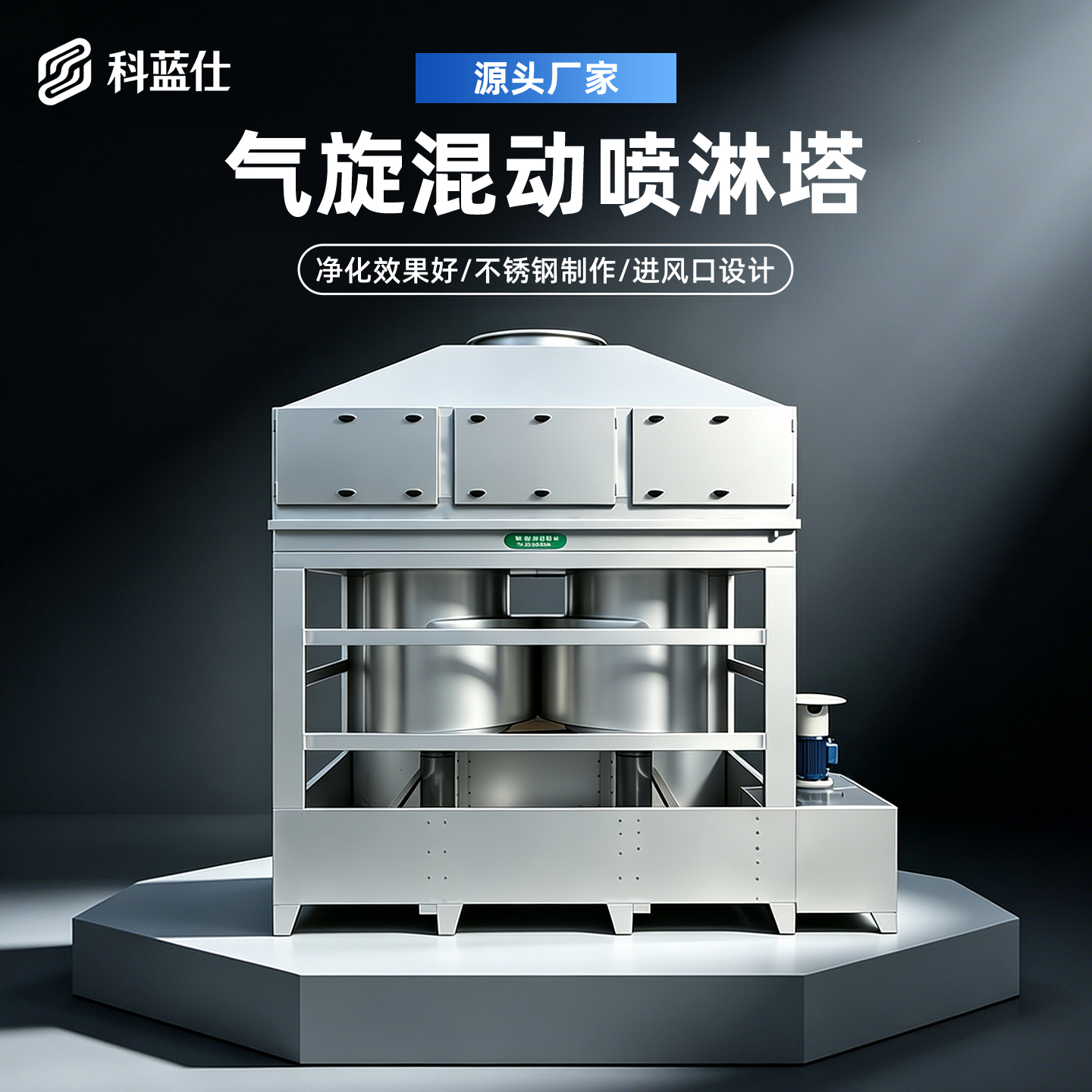
Cyclone Spray Tower Working Principle and Suitable Applications
A cyclone spray tower combines a swirling gas path with liquid sprays to increase gas-liquid contact. It is a wet-treatment device, not a universal answer for every exhaust problem. Its success depends on pollutant solubility, chemical reaction, residence time, droplet control and reliable liquid circulation.
How the equipment works
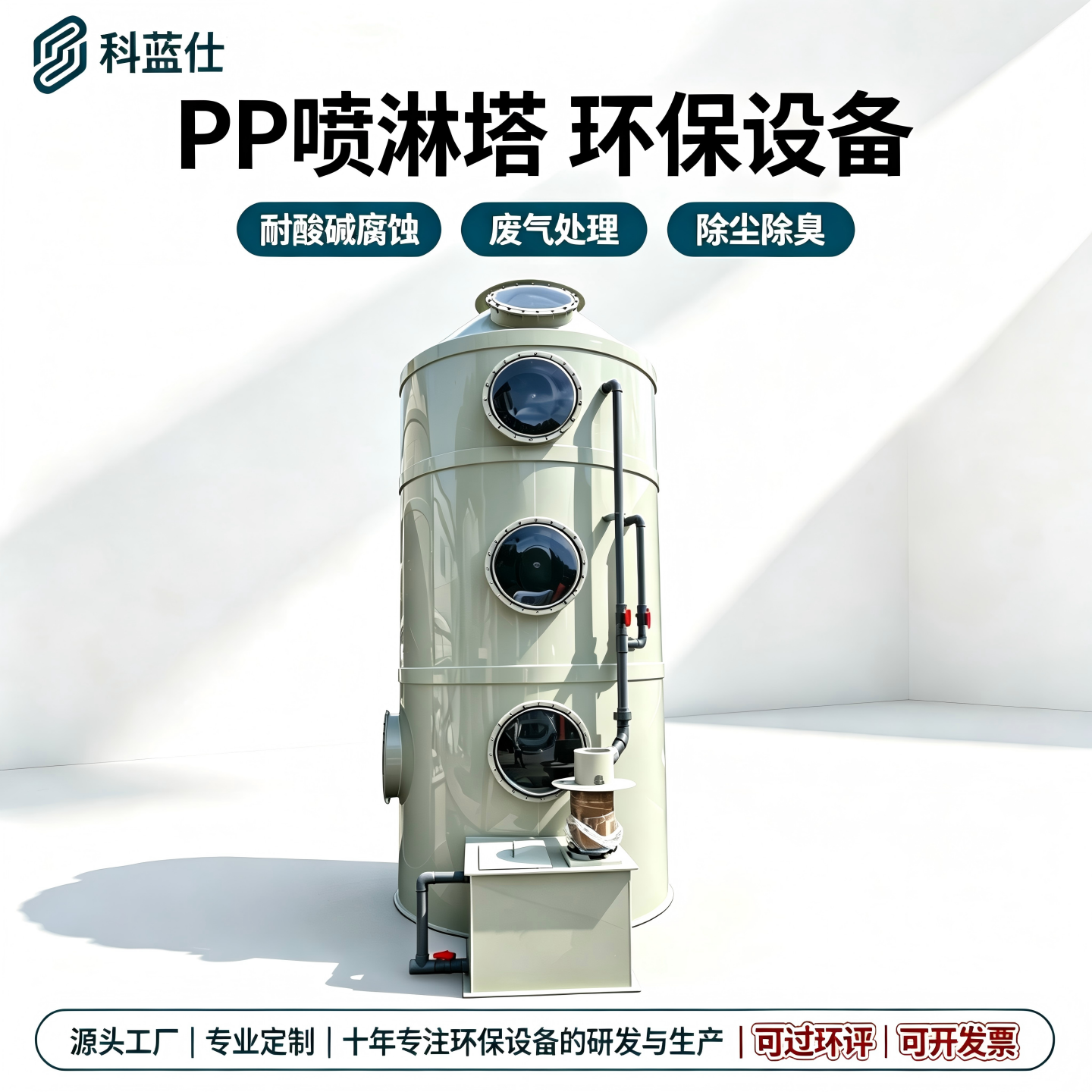
Exhaust enters the tower and is guided into a rotating or cyclonic flow pattern. Spray nozzles distribute recirculating liquid, allowing soluble gases or reactive contaminants to contact the liquid. Larger droplets and entrained liquid are separated before discharge by flow control and a mist eliminator. The sump collects liquid for recirculation, replenishment and controlled blowdown.
Suitable applications
- Acid or alkaline gases that can be absorbed or neutralized by an appropriate scrubbing liquor.
- Odor streams where the contaminant is compatible with wet chemistry and the process is designed for the actual load.
- Exhaust with some water-soluble particulate or fume, after considering wastewater and demisting requirements.
Cases needing another technology or an additional stage
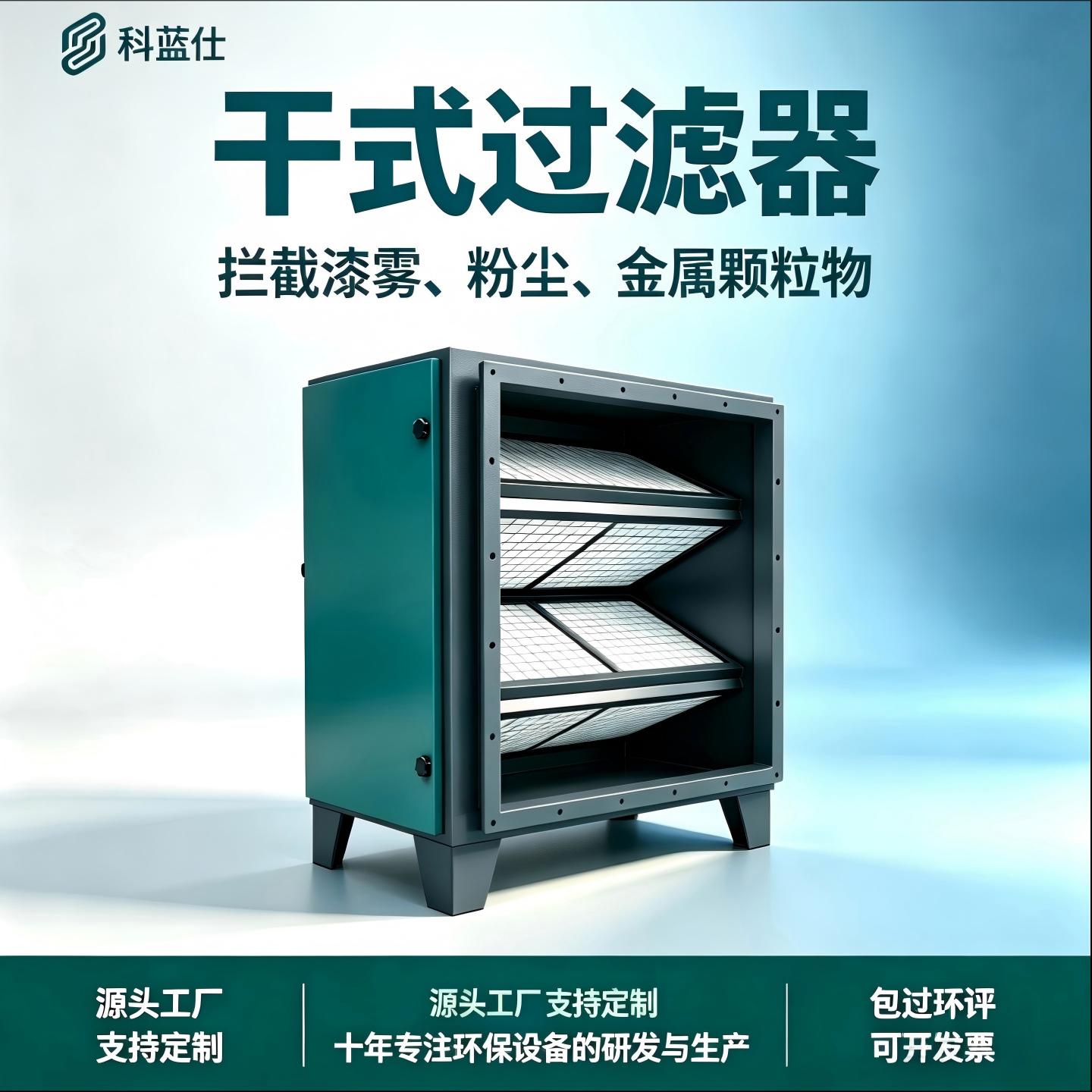
Low-solubility VOCs, oil aerosol, sticky paint mist, high dust loading and unstable high-temperature exhaust can require pretreatment or a different technology. A wet tower may transfer contamination from air to wastewater if the liquid chemistry and blowdown route are not designed. It should never be quoted as “VOC removal” without identifying the compounds and reaction route.
Parameters that control performance
| Parameter | Impact |
|---|---|
| Gas velocity and tower geometry | Influence contact, pressure drop and carryover risk. |
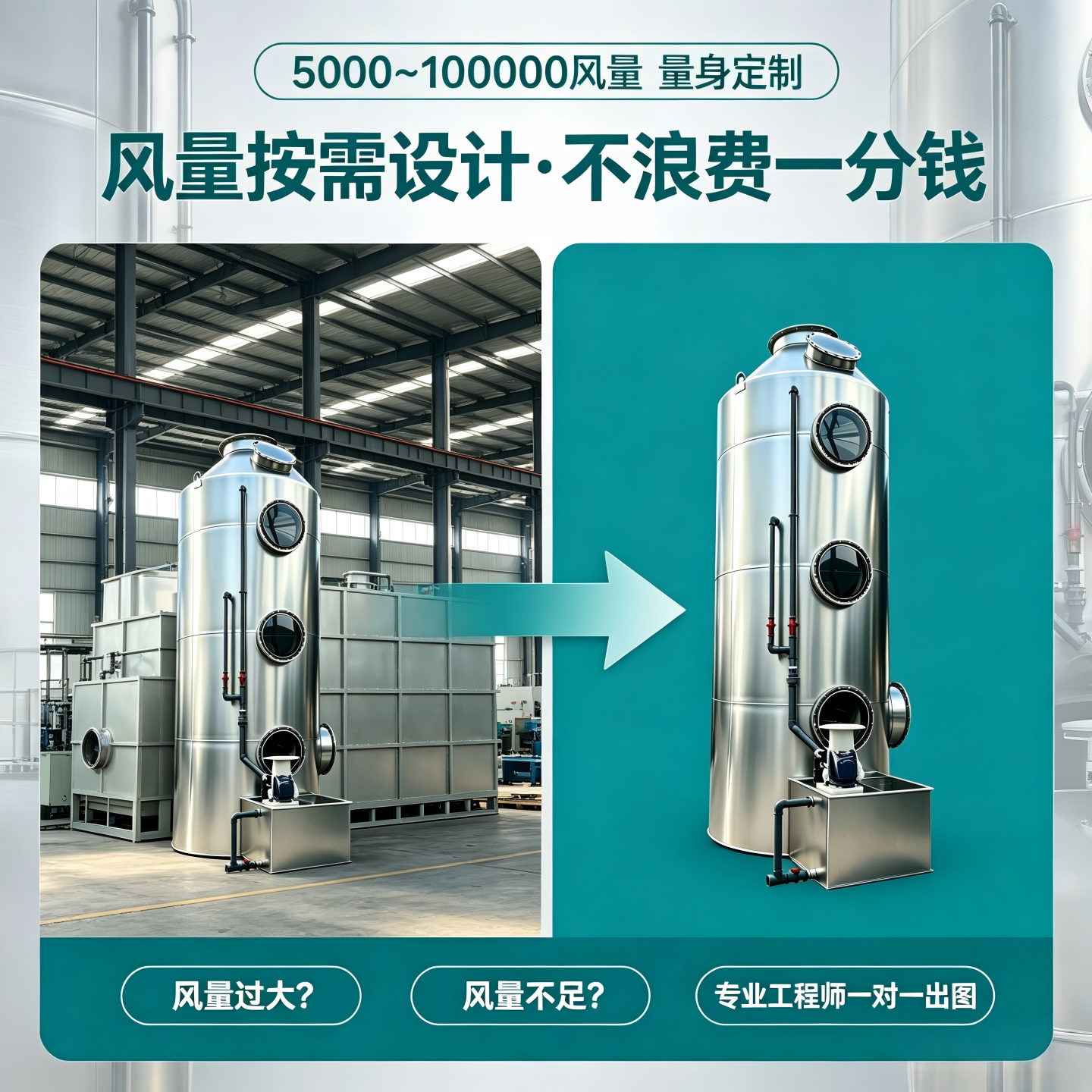
| Liquid-to-gas ratio | Must support absorption or reaction without excessive pumping cost. |
| Reagent concentration and pH | Determine whether neutralization remains effective through the shift. |
| Demister design | Limits liquid droplets leaving the tower and protects the fan/duct. |
| Blowdown and make-up water | Control salt build-up, solids and recirculation stability. |
What to include in a request for quotation
State airflow, gas analysis, inlet temperature, humidity, expected particles or mist, target outlet requirement, available reagent, wastewater constraints and site layout. Ask for the proposed tower material, recirculation pump, nozzle arrangement, demister, pressure-drop basis and maintenance access. Those details are more meaningful than diameter alone.