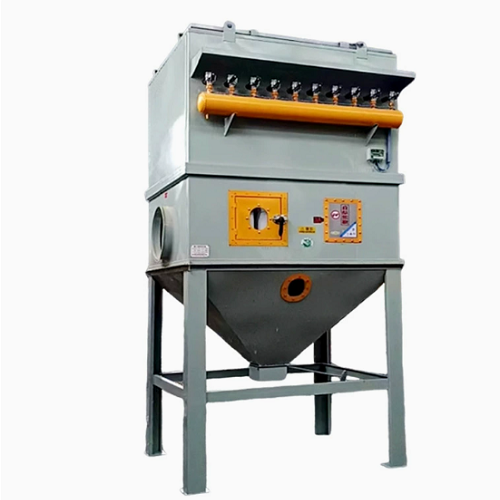
Activated Carbon Systems for Paint Booth Exhaust
Introduction
Activated Carbon Systems for Paint Booth Exhaust is a practical environmental engineering question for spray painting workshops, coating lines, automotive parts factories, furniture factories and metal finishing plants. Paint booth exhaust normally contains paint mist, solvent vapor, odor, humidity and large air volume, so equipment selection must consider both particulate filtration and VOC treatment.
PureAirTek writes this guide for B2B buyers, distributors, factory owners, engineering contractors and procurement managers who need a manufacturer-level explanation. PureAirTek and Dongguan Kelong Environmental Technology Co., Ltd. support international paint booth air pollution control projects where exhaust treatment must be reliable, serviceable and economical over time.
Industry Background
Spray painting processes release VOCs from coatings, thinners, solvents, cleaning agents and drying operations. The exhaust volume can be high because booths must maintain safe airflow and overspray control. A paint shop may also have curing ovens, flash-off zones and mixing rooms that create different exhaust conditions.
For a paint booth using carbon adsorption after paint mist filters, the main challenge is separating paint mist from gas-phase VOCs. Paint particles can block activated carbon pores, contaminate catalysts and increase pressure drop. Therefore, VOC treatment for paint booths usually starts with good filtration and airflow control before the main treatment equipment is selected.
Factories are also under pressure from customer audits, odor complaints and environmental requirements. A properly engineered paint booth VOC system helps reduce solvent odor, improve the factory image and create a documented approach to emission control.
Equipment Working Principle
A paint booth VOC treatment system captures booth exhaust, removes overspray through filters or wet separation, moves the exhaust with an industrial fan and treats VOCs through activated carbon adsorption, RCO catalytic oxidation, RTO thermal oxidation or a combined process. Treated air is then discharged according to project requirements.
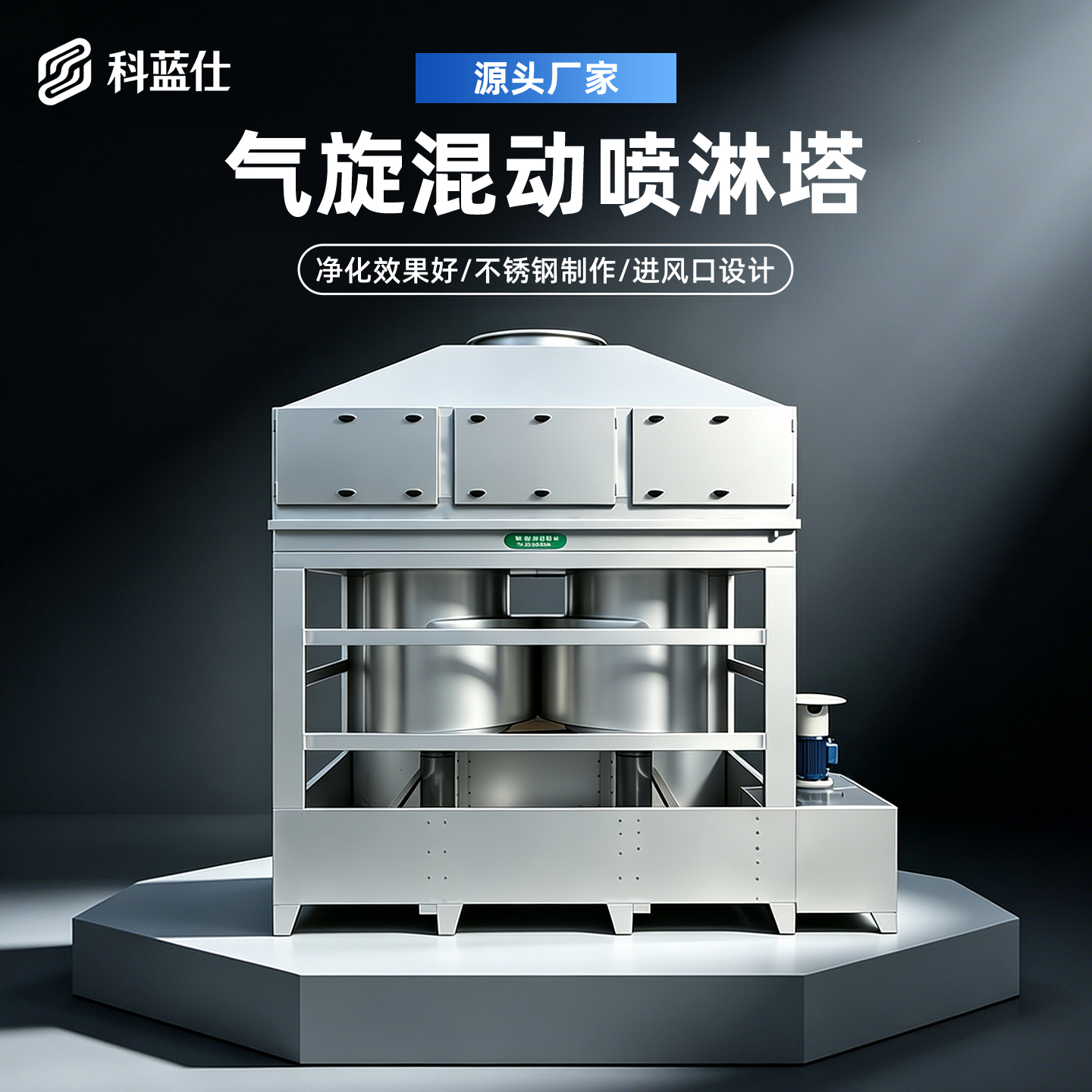
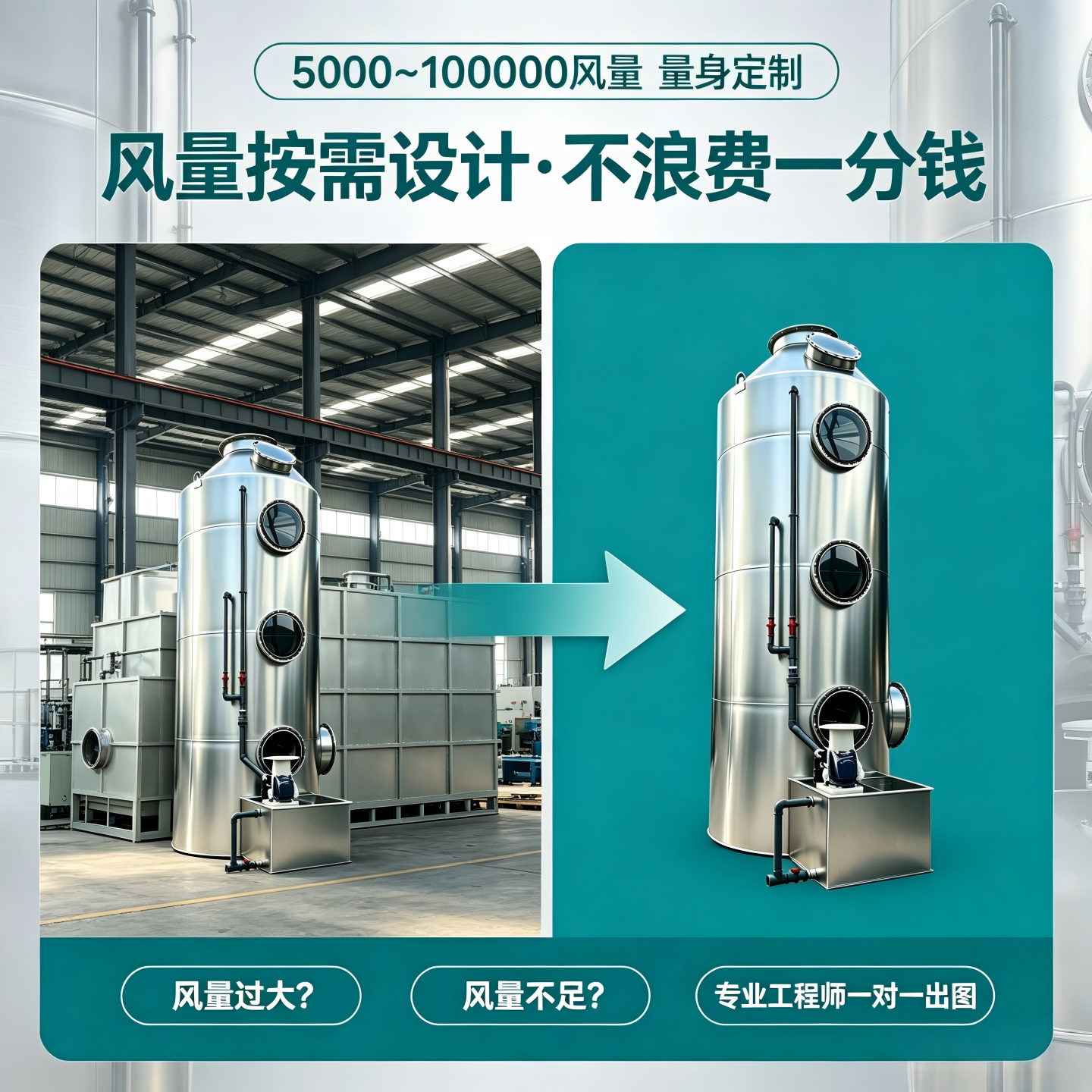
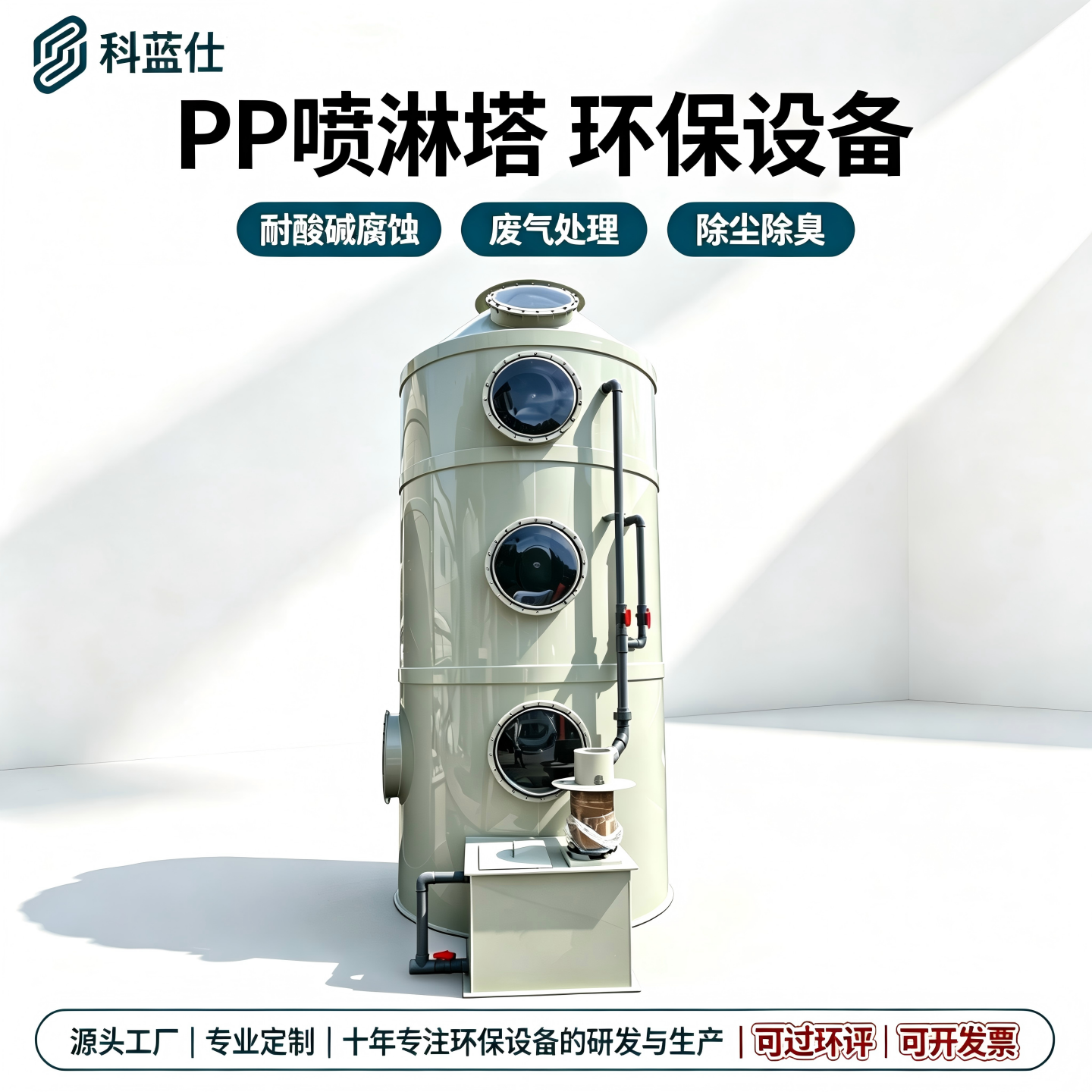
Activated carbon systems adsorb VOC molecules onto porous carbon and are often used for low-concentration or intermittent painting. RCO systems oxidize VOCs with a catalyst and can be suitable for continuous or higher-load exhaust after proper pretreatment. Spray towers or wet scrubbers may be used for water-soluble contaminants, mist reduction or pretreatment in some mixed exhaust projects.
PureAirTek evaluates booth airflow, coating type, solvent list, overspray load, filtration stages, temperature, humidity, production schedule and required removal efficiency before recommending a system. The goal is to protect the treatment media and maintain stable performance.
Technical Specifications
The following table provides preliminary specification ranges for paint booth VOC treatment discussion. Final design should be confirmed with booth layout, exhaust data and solvent information.
| Parameter | Typical Range or Option | Buyer Notes |
| Exhaust airflow | 5,000 to 100,000 m3/h | Depends on booth size, face velocity and number of booths |
| VOC concentration | Low to medium ppm range | Varies by coating, solvent use and spraying schedule |
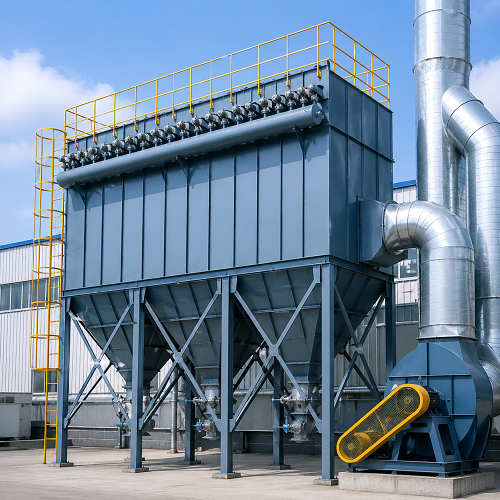
| Pretreatment | Paint arrestor, bag filter, dry filter, demister, spray tower | Protects carbon beds and catalysts |
| Treatment method | Activated carbon, RCO, RTO, scrubber plus adsorption | Select by airflow, concentration and operating hours |
| Fan control | Direct start or VFD | VFD can reduce energy for variable production |
| Monitoring | Pressure drop, VOC sampling, temperature, alarms | Needed for maintenance and compliance records |
| Safety devices | Grounding, LEL monitoring, bypass, fire controls | Important for flammable solvent exhaust |
Selection Guide
Selection starts with booth and process data. Buyers should provide booth size, airflow, coating type, solvent list, paint consumption, spraying schedule, filtration type, exhaust temperature and target emission reduction. Without this data, the treatment system may be incorrectly sized.
Next, review overspray control. If paint mist enters the VOC treatment equipment, carbon life will shorten and catalysts can be poisoned or blocked. Good filtration is not a small accessory; it is part of the VOC treatment system.
Finally, compare total cost of ownership. Activated carbon may have lower initial cost but requires replacement. RCO may reduce long-term media cost for suitable continuous exhaust, but it needs pretreatment, temperature control and catalyst protection. PureAirTek helps buyers compare capital cost, energy, filter replacement, carbon replacement, catalyst life and maintenance labor.
| Selection Question | Why It Matters | Recommended Review |
| How much exhaust airflow? | Defines equipment size and fan power | Measure booth exhaust volume |
| What coatings and solvents? | Affects VOC load and treatment choice | Provide solvent list and consumption |
| Is overspray filtered well? | Protects carbon and catalyst | Review filter stages and pressure drop |
| Is production intermittent? | Affects activated carbon vs RCO choice | Review shifts and spraying schedule |
| What efficiency is required? | Determines equipment process | Confirm compliance and audit targets |
Application Industries
Paint booth VOC treatment is used in automotive parts, metal products, machinery, furniture, wood coating, plastic products, appliance manufacturing, rail parts, aerospace components, industrial equipment and general coating workshops. Each application has different coating chemistry and exhaust characteristics.
PureAirTek supports both new booth projects and retrofit projects. For retrofit work, the existing booth airflow, duct routing and filtration system must be inspected carefully because the VOC equipment must fit the real plant layout.
Automotive and machinery painting lines
Furniture spray booths and wood coating lines
Metal finishing and industrial coating workshops
Plastic product painting and appliance coating
Spray booth retrofit projects
Environmental contractors and distributors serving paint shops
Advantages and Benefits
A properly selected system reduces solvent odor, controls VOC emissions and improves the factory image for customers and auditors. It also helps maintenance teams understand how paint mist filtration and VOC treatment interact.
The economic benefit comes from stable filter life, protected carbon or catalyst, controlled fan energy and fewer emergency shutdowns. A system that is easy to inspect and service will normally perform better than a system with hidden filters and difficult media replacement.
| Benefit | Business Impact |
| VOC and odor reduction | Supports compliance readiness and customer audits |
| Protected treatment media | Longer carbon or catalyst life |
| Cleaner exhaust system | Less buildup, blockage and pressure rise |
| Lower operating cost | Optimized fan power and replacement schedule |
| Better project documentation | Clear maintenance and acceptance records |
Installation Considerations
Installation should place filters, access doors, carbon beds, catalysts, fans and control panels where technicians can inspect and service them safely. Long duct routes and unnecessary elbows increase pressure loss and fan energy.
Paint booth exhaust may contain flammable solvent vapor, so grounding, electrical design, fire safety, LEL monitoring and emergency procedures should be reviewed. The system should also avoid untreated bypass leakage and should provide clear access for filter replacement.
Commissioning should include booth airflow confirmation, pressure drop baseline, fan current, filter condition, temperature readings, alarm tests and odor or VOC checks. PureAirTek recommends documenting these values for future troubleshooting.
Maintenance Guide
Maintenance begins with filtration. Paint arrestor filters, bag filters, demisters and prefilters should be checked on a schedule based on paint load, not guesswork. Blocked filters increase pressure drop and can reduce booth performance.
Activated carbon systems require carbon loading checks and replacement planning. RCO systems require catalyst protection, temperature monitoring, burner or heater inspection and safety interlock checks. Fans, dampers and ducts should be inspected for vibration, leakage and buildup.
A maintenance log should include filter replacement dates, pressure readings, solvent use, operating hours, carbon or catalyst records, alarm records and odor observations. Dongguan Kelong Environmental Technology Co., Ltd. can support project review through PureAirTek when production changes.
| Maintenance Item | Frequency | Purpose |
| Paint mist filters | Weekly or by load | Protect downstream VOC equipment |
| Pressure drop | Daily or weekly | Detect blockage and loading |
| Carbon or catalyst | By performance and schedule | Maintain removal efficiency |
| Fan and ductwork | Monthly | Check airflow, leakage and vibration |
| Monitoring records | Continuous or periodic | Support compliance and troubleshooting |
Common Problems and Solutions
| Problem | Likely Cause | Solution |
| Solvent odor remains | Media saturation, bypass leakage or wrong method | Inspect carbon/catalyst, seals and source data |
| Carbon life is short | Paint mist contamination or high VOC load | Improve filtration and review carbon volume |
| Catalyst performance drops | Overspray, silicone or catalyst poison | Improve pretreatment and review coating chemistry |
| Pressure drop rises | Filters loaded or duct buildup | Replace filters and inspect ductwork |
| High energy cost | Excess airflow or high pressure loss | Review fan control and duct layout |
| Weak compliance records | No monitoring or maintenance log | Create documented inspection schedule |
Troubleshooting should start at the booth. If overspray filtration is poor, VOC equipment will suffer. If airflow is higher than needed, operating cost increases. If solvent use changes, the original design assumptions may no longer be valid.
PureAirTek can review booth photos, filter condition, solvent list, airflow data and operating records to recommend a practical correction.
Practical Industrial Example
A metal parts factory operates two spray booths with intermittent painting. The factory installs activated carbon for odor control, but carbon replacement becomes frequent because operators delay replacing paint arrestor filters. Pressure drop rises and odor returns at the outlet.
A PureAirTek review would check booth airflow, filter stage condition, carbon bed velocity, solvent consumption and replacement records. The solution may include better filtration, more carbon volume, airflow adjustment or a move to RCO if production becomes continuous and solvent load increases.
Related PureAirTek resources include Activated Carbon Adsorbers, RCO Catalytic Oxidizers, Spray Tower Scrubbers, Industrial Exhaust Fans, VOC Treatment for Paint Booths, Activated Carbon Adsorber for Paint Booth Applications, Complete Industrial VOC Treatment Guide and Activated Carbon Adsorber vs RCO System.
Engineering Review and Cost Control
Before purchase, buyers should ask whether the supplier reviewed booth airflow, solvent load, paint mist filtration, pressure loss, safety devices and media replacement cost. A quotation that lists only equipment size may not explain the real operating cost.
Operating cost includes fan energy, filter replacement, carbon replacement, catalyst maintenance, heat energy, sensor calibration and labor. PureAirTek recommends comparing total lifecycle cost before approving a system.
During acceptance, record airflow, pressure drop, temperature, filter condition, media quantity, alarm function and downstream odor or VOC readings. This creates a baseline for long-term maintenance and customer audits.
Detailed Engineering Review and Buyer Checklist
A paint booth VOC treatment project should be reviewed with real production data before equipment is purchased. Buyers should confirm booth airflow, face velocity, coating type, solvent composition, paint consumption, spraying hours, flash-off or drying exhaust, temperature, humidity, existing filter stages and required removal efficiency. These values affect equipment size, fan power, filtration cost, carbon replacement and catalyst life.
Overspray control is one of the most important details. If paint mist reaches activated carbon, the carbon pores can block and the replacement interval becomes short. If paint mist reaches a catalyst, the catalyst can lose activity. A professional quotation should explain the filter train, filter access, pressure drop and replacement schedule. PureAirTek treats filtration as part of the VOC system, not as a separate minor item.
Safety review is also necessary because paint booth exhaust can contain flammable solvent vapor. Depending on solvent concentration and local requirements, the system may require grounding, explosion-proof electrical components, LEL monitoring, bypass protection, temperature alarms, fire control and safe startup procedures. These items should be discussed during design, not after installation.
Operating cost should be compared over several years. Activated carbon systems may have lower initial cost but require media replacement. RCO systems may reduce long-term media cost for suitable continuous exhaust, but they require catalyst protection and energy management. Fan energy depends on airflow and pressure drop. Filters, carbon, catalyst, sensors and labor all affect the true cost of ownership.
During acceptance, the project team should record booth airflow, filter pressure drop, fan current, VOC treatment pressure drop, carbon or catalyst information, temperature data, alarm function and downstream odor observations. These baseline records help maintenance teams identify future performance changes quickly.
Additional Practical Scenario
A furniture finishing plant may operate two spray booths during peak season and one booth during normal production. If the VOC system is designed only for peak airflow, energy cost may be high during normal operation. If it is designed only for normal operation, odor may appear during peak spraying. A PureAirTek review would consider zone control, VFD fan operation, carbon bed sizing and production schedule.
A metal product paint shop may have better booth filtration but higher solvent consumption. Activated carbon may work for intermittent spraying, while RCO may become more attractive if the plant moves to continuous coating. The correct choice depends on exhaust data, not a single technology preference.
For final project handover, the buyer should receive equipment drawings, filter specifications, carbon or catalyst information, fan data, control settings, alarm instructions, maintenance schedule and spare part recommendations. This documentation helps operators maintain the system correctly and helps procurement teams plan replacement parts before emergency shutdowns occur.
PureAirTek also recommends a review after several weeks of real production. Actual spraying hours, filter loading, solvent use, pressure drop and odor observations can show whether the original assumptions match daily operation. If the factory changes coating formula, adds a booth or increases production, the VOC treatment system should be reviewed before performance problems appear.
For B2B buyers, this review also makes supplier comparison easier because each proposal can be judged by airflow basis, filtration protection, treatment method, operating cost and maintenance responsibility instead of only by equipment price.
FAQ Section
1. What is the best VOC treatment for paint booths?
The best option depends on airflow, solvent load, production schedule and required efficiency. Activated carbon is common for low-load exhaust; RCO may suit continuous higher-load exhaust.
2. Why is paint mist filtration important?
Paint mist can block carbon pores, contaminate catalysts and increase pressure drop, so pretreatment protects the VOC system.
3. Can activated carbon treat spray booth exhaust?
Yes, when exhaust is properly filtered and VOC loading is suitable for adsorption.
4. When should RCO be considered?
RCO should be considered when VOC loading and operating hours make catalytic oxidation more economical than frequent carbon replacement.
5. How can operating cost be reduced?
Control airflow, maintain filters, protect media, use proper fan selection and record performance trends.
6. What information is needed for a quote?
Provide booth size, airflow, coating type, solvent list, paint consumption, schedule, photos and target efficiency.
7. Can PureAirTek support retrofit projects?
Yes. PureAirTek can review existing booth exhaust, filters and duct layout to recommend a suitable VOC treatment upgrade.
Conclusion
Activated Carbon Systems for Paint Booth Exhaust should be evaluated as a complete paint booth exhaust project. The right solution depends on filtration, VOC load, airflow, safety, treatment method, monitoring and maintenance.
PureAirTek provides paint booth VOC treatment equipment and project support for factories, contractors and distributors. With Dongguan Kelong Environmental Technology Co., Ltd., PureAirTek helps international buyers prepare practical air pollution control systems.
Request a Quote CTA
Contact PureAirTek for a paint booth VOC treatment quotation. Send booth dimensions, exhaust airflow, coating type, solvent list, filter configuration, operating schedule and photos. PureAirTek will review your project and recommend a practical VOC control solution.