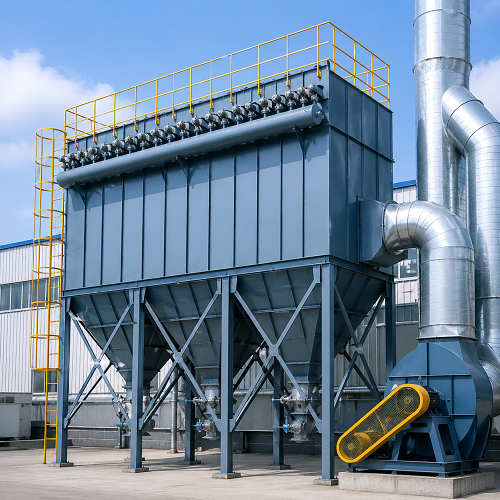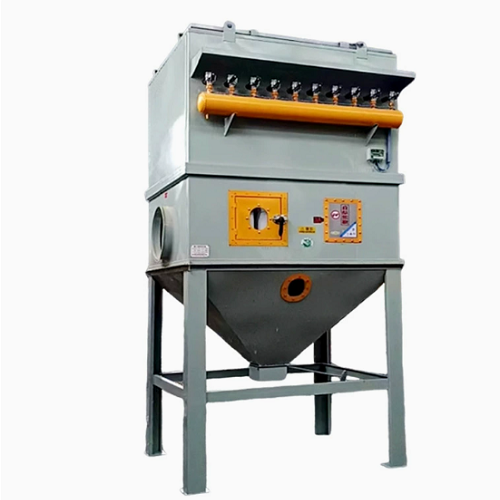
Dust Collector Specification Guide: What Factory Buyers Must Define
A dust collector specification should make competing proposals comparable. “10,000 m³/h dust collector” is not a complete specification because it does not describe the dust, capture points, pressure loss, filter media, cleaning method or safe discharge arrangement.
Define the process and dust first
- List each machine, hood or enclosure and the number that operate simultaneously.
- Describe the dust: material, particle behavior, moisture, temperature, abrasiveness, stickiness and any spark or combustible-dust concern.
- Provide photos or a layout showing the capture points, duct distances and building constraints.
Specify performance, not only equipment size
| Specification item | Why it belongs in the document |
|---|---|
| Design airflow by branch and system | Shows whether each capture point receives enough extraction. |
| Total static pressure basis | Includes hoods, ducts, collector, filters and outlet losses. |
| Filter media and cleaning method | Determines suitability for fine, moist, abrasive or sticky dust. |
| Dust discharge method | Defines hopper, valve, bin or collection arrangement. |
| Controls and monitoring | Sets differential-pressure, alarms, interlocks and cleaning control. |
Review installation interfaces
Confirm fan position, electrical supply, compressed-air quality for pulse cleaning, foundation, maintenance clearance, noise limits and exhaust location. If the collector discharges indoors, the final filtration and local requirements need separate review.
Make the quotation auditable
Ask each supplier to state the airflow, pressure-drop range, assumed dust properties, filter area, fan duty, motor rating, cleaning system, included ductwork and exclusions. A traceable design basis is the best way to compare price without overlooking the parts that determine capture performance.