Paint Booth VOC Capture and Pre-Filtration Guide
Paint-booth exhaust contains two separate treatment problems: overspray mist and solvent vapor. The mist must be captured first, because it can blind filters, coat carbon and foul downstream equipment. The VOC strategy is then chosen from the coating chemistry, concentration, airflow and production schedule.
Control overspray before treating VOC
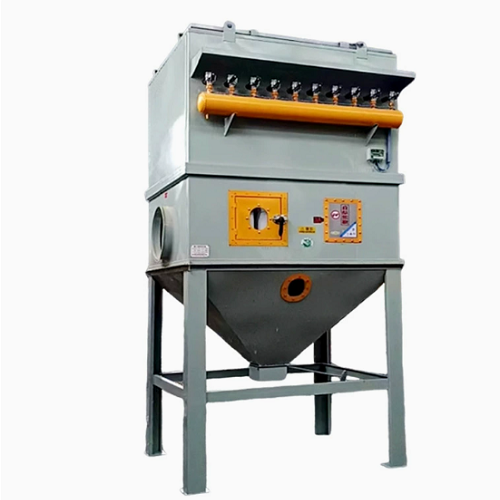
Booth airflow and paint-arrestor stages should keep visible mist from reaching downstream ductwork. Choose filters for the coating type and loading rate, with enough surface area and access to change them without bypassing the booth. Pressure monitoring is essential: a loaded arrestor changes booth balance as well as fan energy.
Match VOC control to the duty
| Operating profile | Typical direction to evaluate |
|---|---|
| Intermittent, lower VOC load | Adsorption may be practical after effective mist pre-filtration. |
| Stable, higher organic load | Evaluate oxidation or concentration plus oxidation using compound data. |
| Water-based coating | Still assess co-solvents, humidity and mist; “water-based” is not zero-VOC. |
Capture and make-up air affect treatment performance
Booth face velocity, cross-drafts, open doors and make-up air temperature all influence paint quality and exhaust stability. The treatment device should be designed for this real airflow range, not only the nominal booth dimension. Avoid cold surfaces that promote condensation before carbon or catalyst stages.
Information needed for a recommendation
Provide coating safety data, solvent list, paint consumption, booth type, airflow, temperature, existing filter stages, work hours and target outlet requirement. This supports a treatment train that protects the final equipment and maintains booth operation.