Odor Control Equipment for Rubber Processing Plants
Rubber-processing odor can originate from mixing, milling, extrusion, vulcanization, storage or cleaning. It may contain a mixture of organic compounds, sulfur-related components, warm vapor and fine particulate. The control strategy should therefore begin with process mapping and source capture, not an assumption that one deodorization device treats every exhaust point.
Map sources by temperature and chemistry
Hot mixing and curing exhaust may differ greatly from room-temperature storage odor. Note the rubber formulation, additives, heating profile, visible smoke, humidity and whether the stream carries dust or oil. This data guides whether the first stage is particulate filtration, wet treatment, adsorption, oxidation or a combination.
Build the treatment train in the right order
| Upstream condition | Design response |
|---|---|
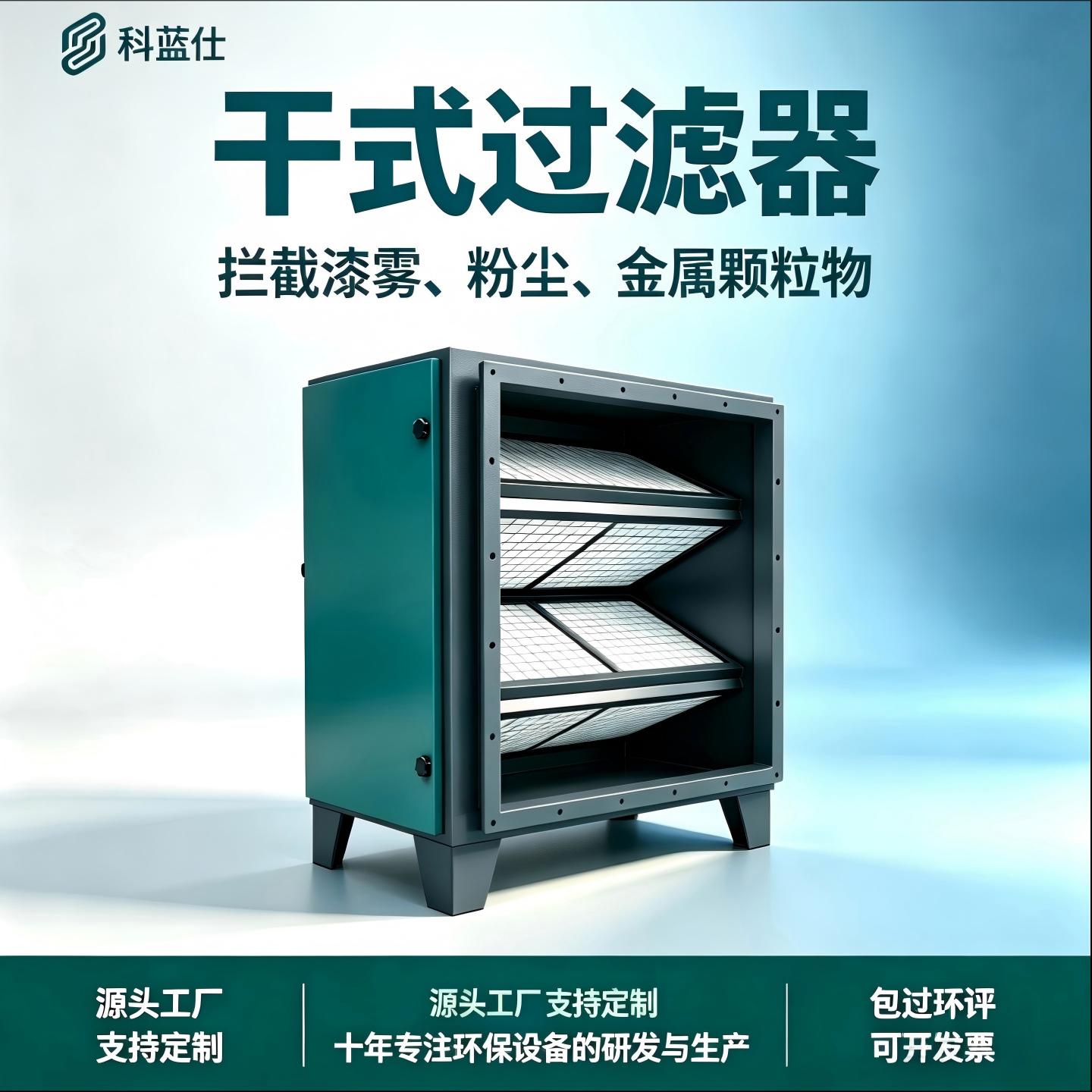
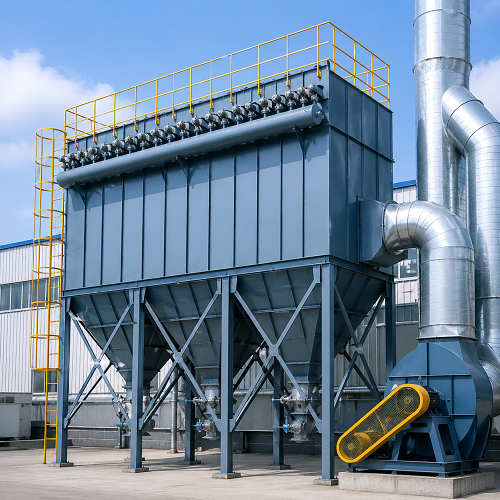
| Dust or sticky aerosol | Remove it before carbon or catalyst surfaces. |
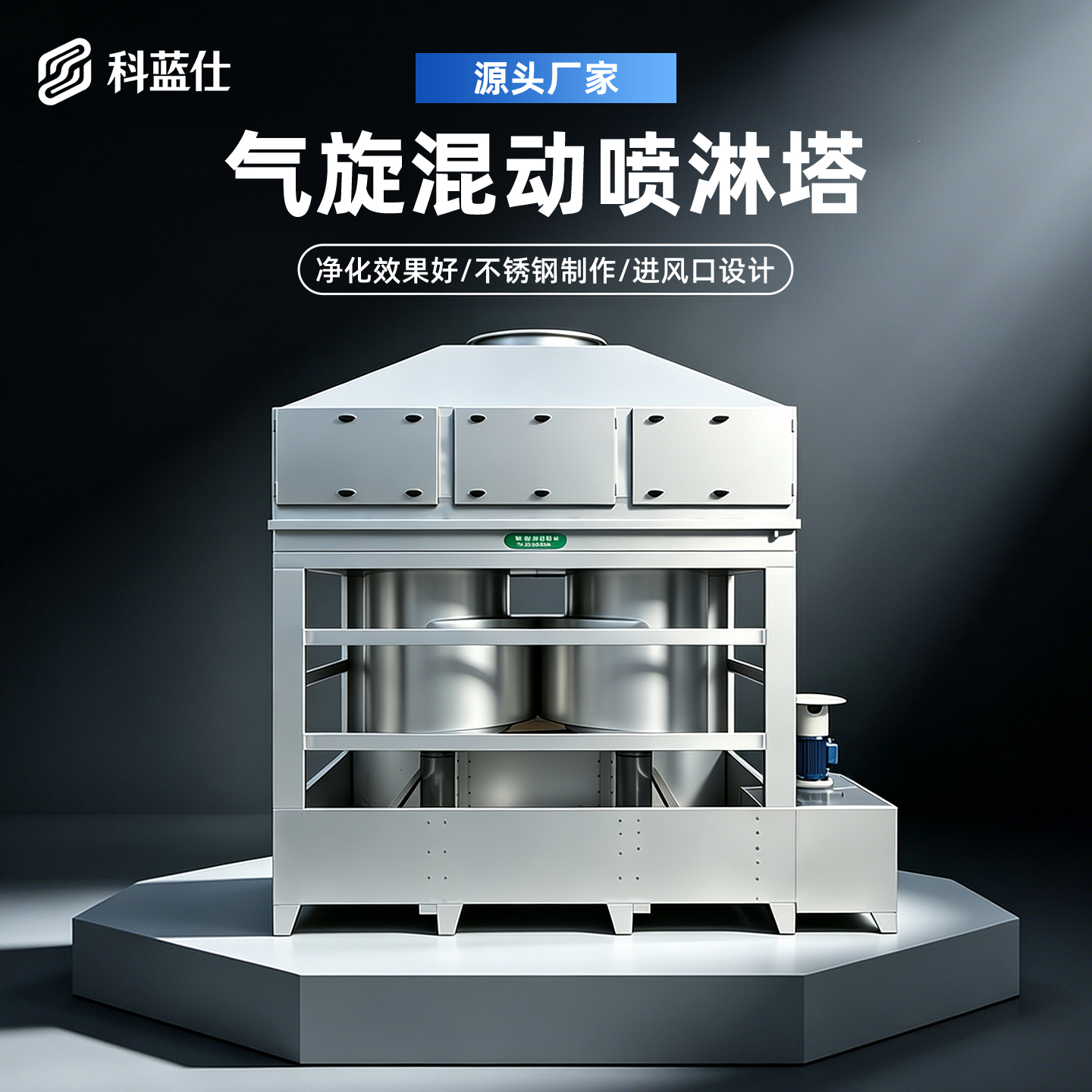
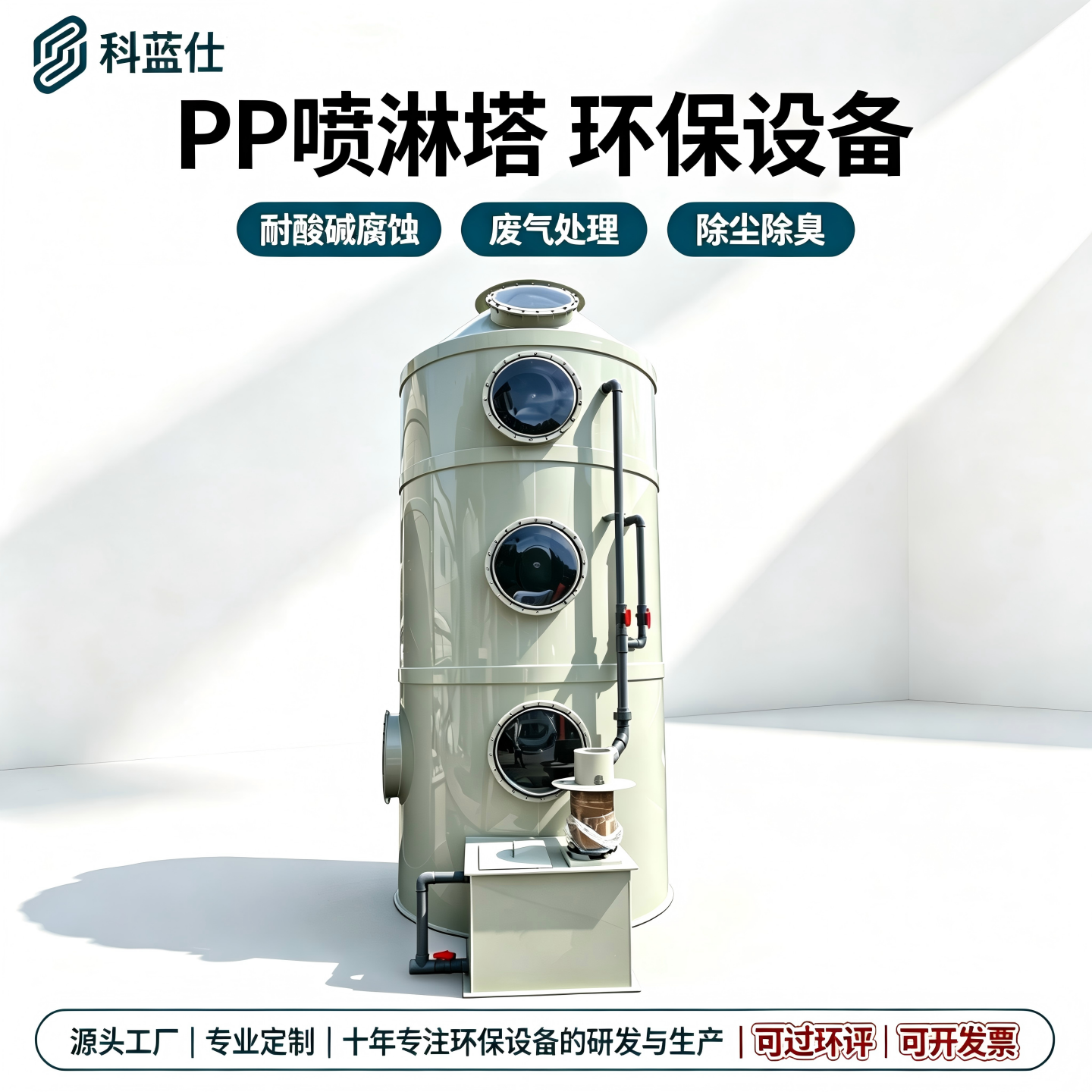
| Soluble/reactive odor components | Evaluate wet chemistry and liquid-management requirements. |
| Mixed organic odor | Evaluate adsorption or oxidation after confirming inlet stability. |
| Changing batch process | Design for peak events, not only average odor level. |
Capture still determines the result
Canopies over hot equipment, enclosure extraction and local hoods must capture the odor before it dilutes into the building. Cross-drafts, roof vents and access openings can defeat an otherwise capable treatment skid. Verify capture visually and through operator feedback during actual production.
Provide a usable design basis
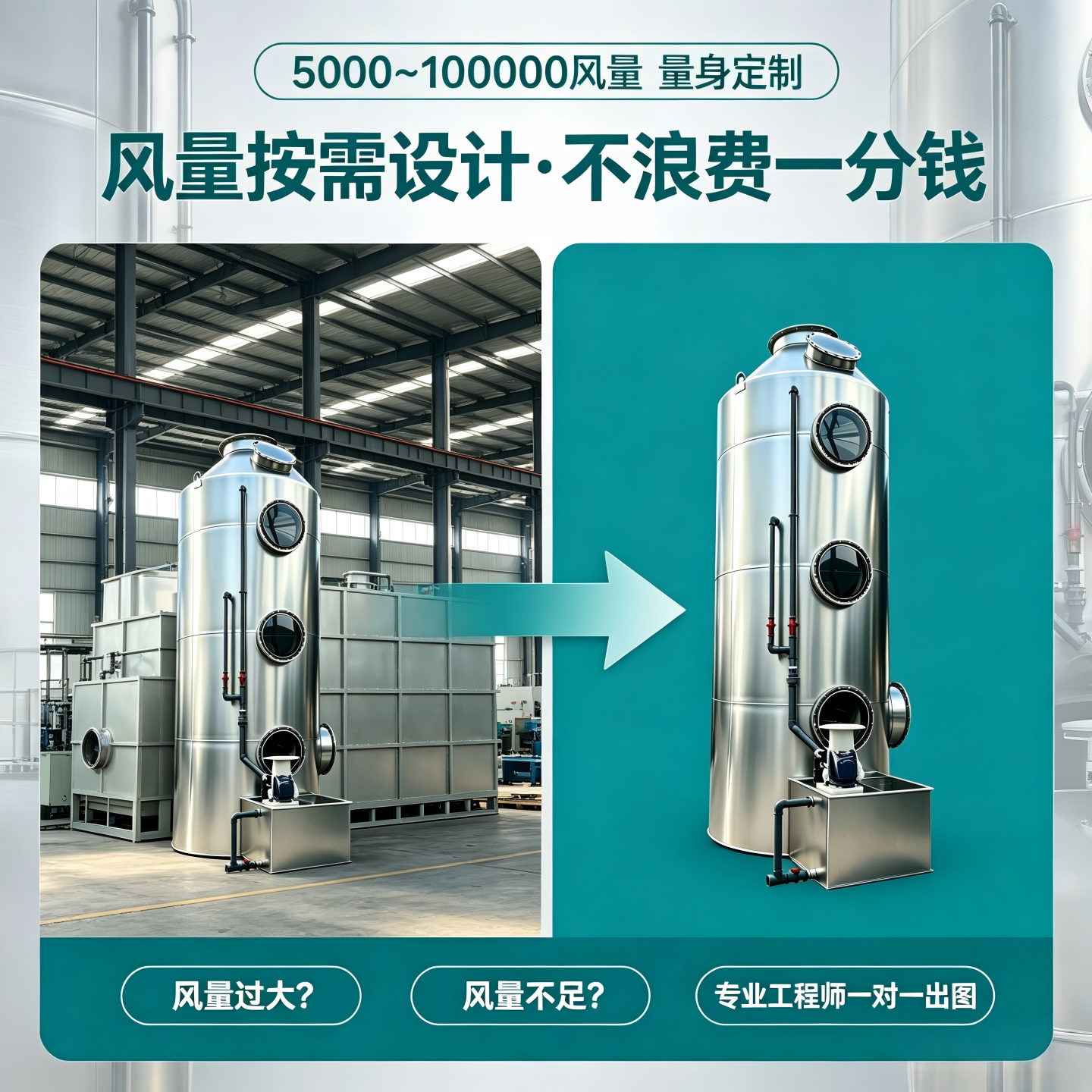
Send a process flow, formulation information where available, exhaust points, temperatures, airflow range, operating hours, sample results and wastewater limitations. A supplier can then state which pollutants the proposed equipment is intended to control, and where pretreatment or monitoring is needed.