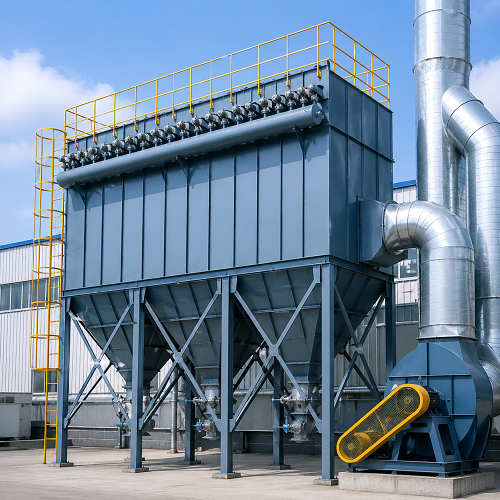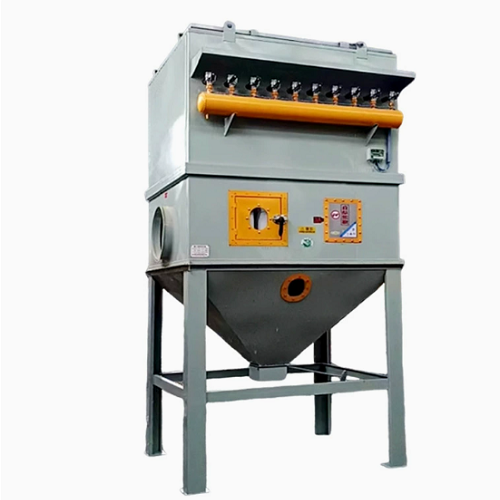
VOC Treatment for Plastic Manufacturing Exhaust
Plastic extrusion, thermoforming, compounding and coating can release different organic compounds at different temperatures. A practical VOC system starts by locating the release point and defining whether the stream is warm vapor, odor, condensable fume or a diluted high-volume exhaust.
Do not treat all plastic processes as one stream
- Extruder barrels and die areas may need close hoods that do not interfere with heating control.
- Cooling and downstream handling can release odor at lower temperature and larger volume.
- Coating, printing or adhesive steps may have a more concentrated solvent load than the molding line.
Choose technology from concentration and operating profile
Activated carbon can suit lower or intermittent loads when the air is clean, cool enough and not saturated with mist. Oxidation can be evaluated for stable combustible organic loads, subject to compound compatibility, inlet concentration and safety review. When airflow is high but VOC concentration is low, capture improvement and concentration may matter more than installing a larger final device.
Manage condensables and heat first
Warm plastic-process exhaust may cool in long duct runs and deposit material. Review duct insulation, cooling, filtration and access before the main treatment stage. If the stream carries powder, plastic fines or oil, prevent those materials from entering carbon or catalyst media.
Sampling plan
Collect information by process: resin grade, additives, melt temperature, exhaust temperature, airflow, operating hours and odor observations. Testing at normal and peak conditions makes the treatment choice defensible and helps prevent a system designed around a single short sample.