How Does an RCO System Work?
Introduction
Industrial VOC control is no longer a simple end-of-pipe accessory. For factories using coatings, solvents, inks, adhesives, cleaning agents or chemical materials, the exhaust treatment system affects compliance, production stability, operating cost and buyer confidence. This guide explains regenerative heat recovery, catalyst reaction, desorption concentration, and safe VOC destruction for international B2B buyers who need practical engineering direction rather than a shallow product description.
An RCO catalytic oxidizer, also called a regenerative catalytic oxidation system, is commonly selected when VOC concentration is low to medium, airflow is large, solvent composition is suitable for catalytic oxidation and the factory wants lower energy consumption than high-temperature thermal oxidation. PureAirTek designs RCO systems as part of complete industrial air pollution control projects, including exhaust collection, pretreatment, adsorption concentration, catalytic reaction, safety control and commissioning support.
The goal of this article is to help procurement managers, factory owners, distributors and engineering contractors understand how to evaluate an RCO project before buying equipment. A good RCO system must match the real exhaust condition, not only the name of the industry.
Industry Background
VOC emissions are common in spray painting, printing, furniture coating, packaging, electronics, rubber, adhesive, chemical mixing and surface treatment workshops. Many facilities have intermittent production, fluctuating solvent load and large exhaust volume. If the control solution is selected only by airflow, the project may suffer from excessive power consumption, low destruction efficiency, odor complaints or frequent maintenance.
Traditional activated carbon adsorption is simple and useful for low concentration exhaust, but replacement and regeneration can become expensive when VOC load is high. RTO systems provide strong oxidation performance but usually operate at higher temperature. RCO technology sits between these approaches: it uses a catalyst to oxidize VOCs at a lower reaction temperature, and it can be combined with adsorption concentration to handle large air volume more economically.
For export-oriented manufacturers, VOC treatment also supports customer audits. Automotive, furniture, packaging and electronics buyers increasingly ask how suppliers control emissions, manage worker safety and document environmental performance. PureAirTek positions RCO systems not only as compliance equipment but also as a production support system that protects the factory's long-term operating license.
| Industry | Typical VOC Source | RCO Relevance | Key Engineering Concern |
|---|---|---|---|
| Spray painting | Paint booth exhaust and curing oven exhaust | High when pretreatment removes paint mist | Explosion safety and mist filtration |
| Printing | Ink solvents and drying exhaust | High for stable solvent exhaust | Concentration fluctuation and heat recovery |
| Furniture coating | Spray line and drying room VOCs | High when dust and overspray are controlled | Wood dust, humidity and coating particles |
| Adhesive production | Mixing and coating solvent vapor | Case dependent | Solvent compatibility and safety control |
| Chemical plants | Tank breathing and process exhaust | Case dependent | Gas chemistry and catalyst poisoning risk |
Equipment Working Principle
An RCO system removes VOCs through catalytic oxidation. The exhaust is first collected from the production process and sent through pretreatment equipment. Pretreatment may include dry filtration, paint mist filter, dust collector, demister, cooling section or activated carbon/zeolite concentration wheel depending on the application. This step is essential because catalyst cannot tolerate heavy dust, sticky mist, tar, silicone, sulfur, phosphorus or high-boiling contaminants without protection.
After pretreatment, VOC-laden air enters the heat recovery and catalytic reaction section. The system preheats the exhaust to the required catalytic reaction temperature, usually lower than direct thermal oxidation temperature. In the presence of catalyst, organic compounds are oxidized into carbon dioxide and water vapor. Because the reaction temperature is lower, the system can reduce fuel or electric heating demand when designed correctly.
Many RCO projects use adsorption concentration. Large-volume, low-concentration exhaust is first adsorbed by zeolite or activated carbon material. A smaller hot air stream desorbs the VOCs, creating a concentrated stream that enters the RCO reactor. This arrangement reduces the airflow handled by the oxidizer and lowers operating cost. PureAirTek reviews concentration ratio, desorption temperature, VOC composition and safety dilution before recommending this layout.
Main Process Flow
| Stage | Function | Buyer Checkpoint |
|---|---|---|
| Exhaust collection | Captures VOCs near the source | Hood design, duct balance and leakage control |
| Pretreatment | Removes dust, mist and harmful impurities | Filter grade, pressure drop and replacement access |
| Adsorption concentration | Reduces oxidizer airflow for low-concentration exhaust | Concentration ratio and desorption stability |
| Heat recovery | Preheats incoming exhaust | Thermal efficiency and bypass control |
| Catalytic oxidation | Destroys VOCs at lower temperature | Catalyst type, bed temperature and removal efficiency |
| Safety control | Prevents unsafe temperature or solvent conditions | LEL monitoring, flame arrester, interlocks and alarms |
Technical Specifications
RCO specifications should be based on measured exhaust data. A quotation that lists only airflow and equipment size is not enough for engineering review. The supplier should confirm gas composition, concentration range, humidity, particulate content, exhaust temperature, operating schedule, required removal efficiency, available utilities and site layout.
| Parameter | Common Industrial Range | Design Importance |
|---|---|---|
| Airflow | 5,000-100,000+ m3/h | Determines duct size, fan capacity and concentration design |
| Inlet VOC concentration | Low to medium concentration, project dependent | Affects concentration ratio, heating load and safety control |
| Removal efficiency | Often 90-98% when properly designed | Depends on catalyst, residence time and process stability |
| Reaction temperature | Typically lower than thermal oxidation | Impacts energy use and catalyst performance |
| Pressure drop | Project dependent | Affects fan power and operating cost |
| Controls | PLC, temperature sensors, pressure monitoring, alarms | Supports stable operation and safety interlocks |
| Materials | Carbon steel, stainless steel, insulation, catalyst carrier | Selected by temperature, corrosion and site conditions |
Selection Guide
The first selection question is whether the VOC composition is suitable for catalytic oxidation. Some compounds are easily oxidized, while others may require higher temperature or special pretreatment. Substances that poison catalyst must be identified early. If a plant uses silicone release agents, sulfur compounds, phosphorus additives, halogenated solvents or heavy metal contaminants, the system must be carefully reviewed.
The second question is whether airflow and concentration support direct RCO treatment or adsorption concentration plus RCO. Large airflow with low concentration is usually better suited to concentration before oxidation. Smaller airflow or higher concentration may be treated more directly if safety and heat balance are acceptable.
The third question is operating schedule. A factory running continuously can benefit from stable heat recovery, while a plant with short intermittent batches may need a different start-up strategy. PureAirTek asks for real production cycles before selecting heater capacity, valve logic and catalyst bed arrangement.
| Buyer Situation | Recommended Direction | Reason |
|---|---|---|
| Large airflow, low VOC concentration | Adsorption concentration + RCO | Reduces oxidizer size and energy use |
| Medium airflow, stable solvent exhaust | Direct or semi-concentrated RCO | May achieve efficient oxidation with simpler process |
| High dust or paint mist | Strong pretreatment before RCO | Protects catalyst and valves |
| Mixed chemical exhaust | Detailed gas analysis first | Prevents catalyst poisoning and corrosion |
| Strict energy targets | Review heat recovery and concentration ratio | Operating cost depends on thermal balance |
Application Industries
RCO catalytic oxidizers are widely used where solvent exhaust is consistent enough for controlled oxidation and where energy cost matters. In a furniture plant, the system may handle exhaust from wood coating booths and drying tunnels after filtration. In a printing plant, it may treat solvent vapor from gravure, flexographic or packaging lines. In an automotive parts plant, it can support coating, curing and adhesive processes.
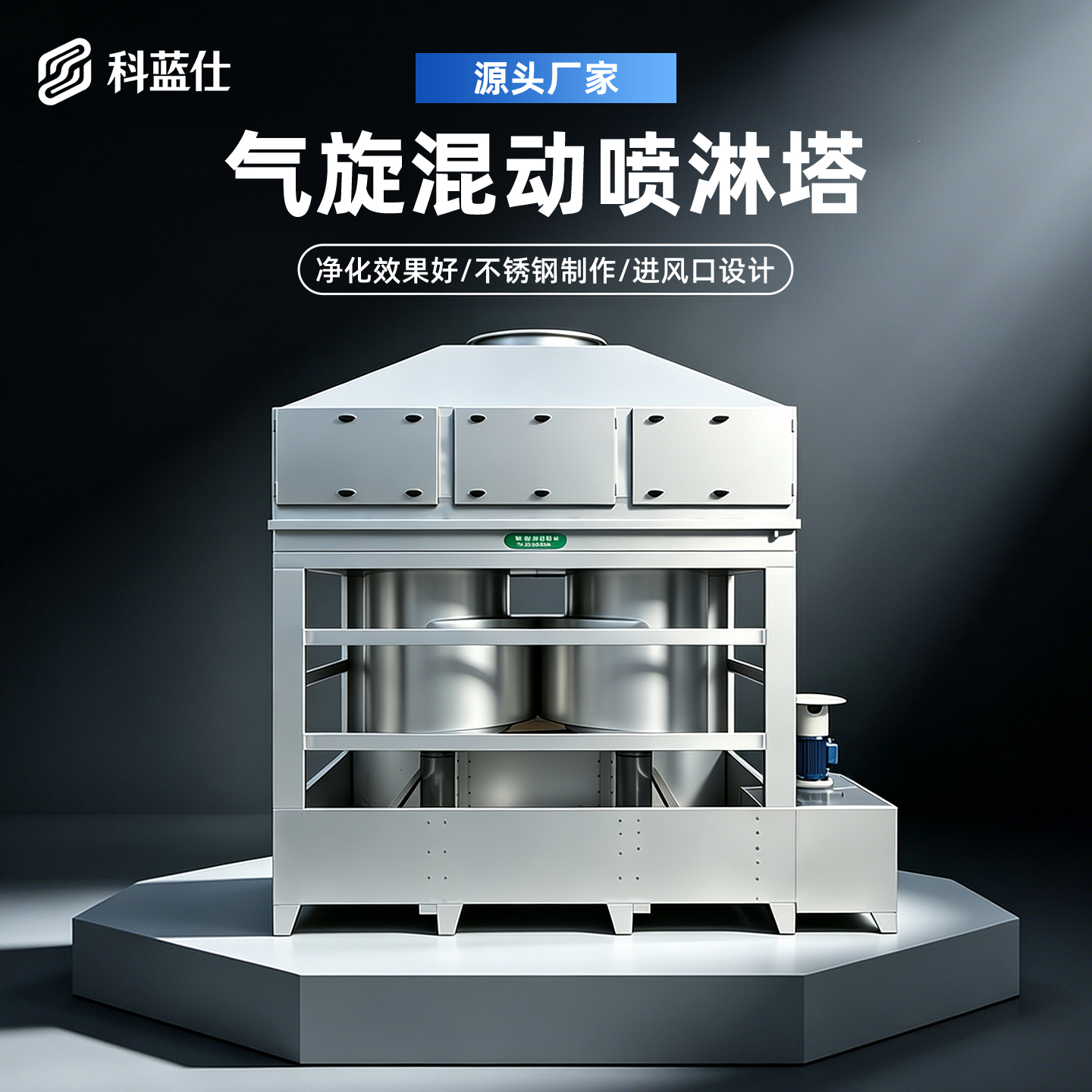
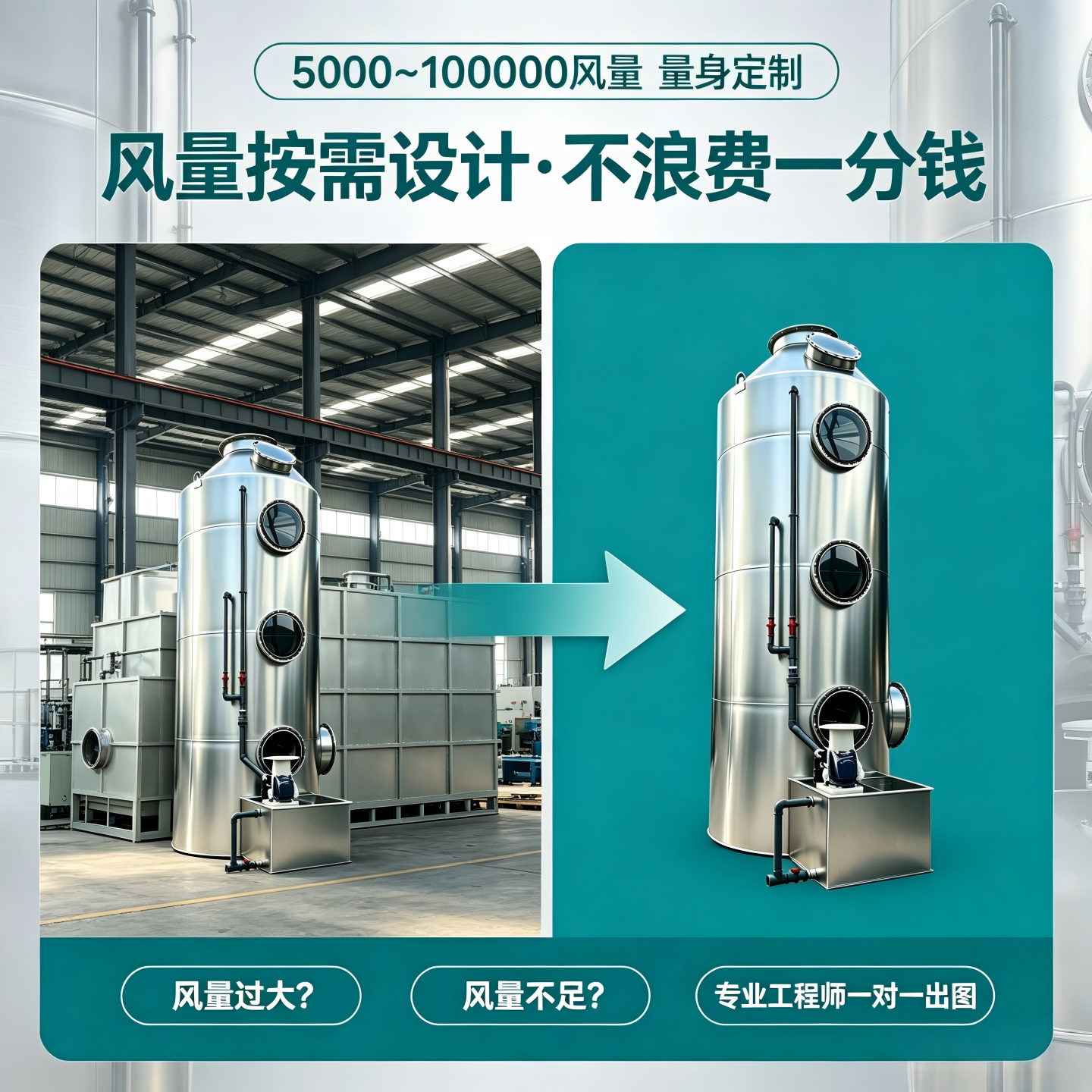
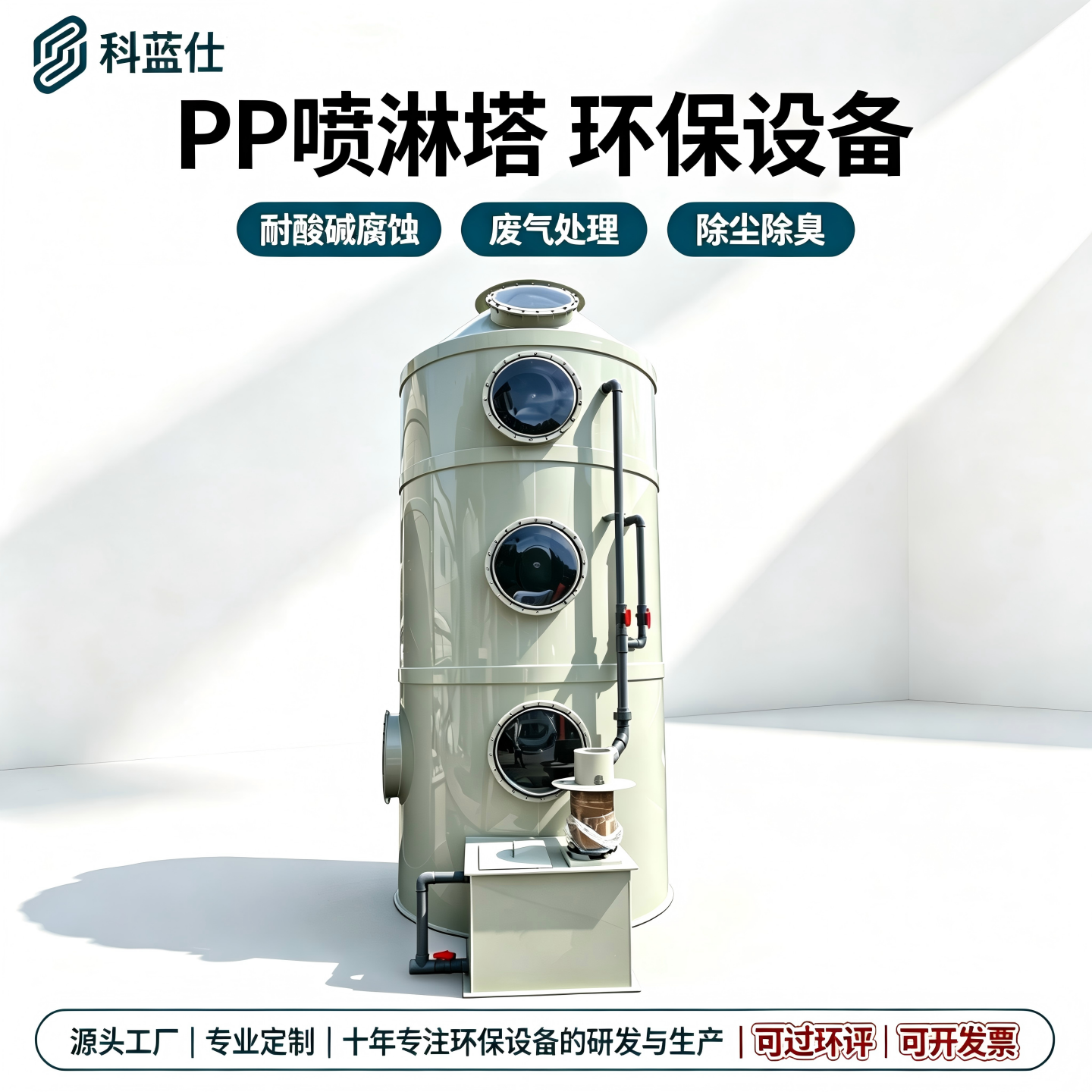
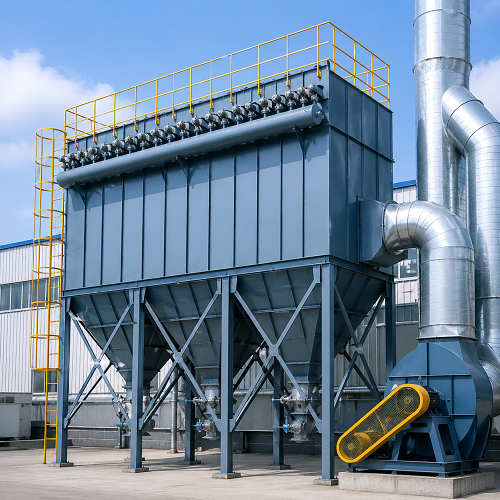
In each application, the process upstream of the oxidizer matters. A paint booth needs overspray filtration. A printing dryer may need temperature control and concentration balancing. A furniture plant may need wood dust collection before VOC treatment. PureAirTek often combines RCO systems with cartridge dust collectors, baghouse dust collectors, activated carbon adsorbers or spray tower scrubbers to create a complete air pollution control solution.
Advantages and Benefits
The main advantage of RCO technology is lower oxidation temperature compared with direct thermal oxidation. This can reduce energy consumption and improve operating economics when VOC concentration and catalyst performance are suitable. The system can also achieve high removal efficiency when pretreatment, temperature control and residence time are correctly designed.
Another benefit is flexibility. RCO can be integrated with adsorption concentration, heat recovery and automated controls. It can support factories that need stable compliance but cannot justify excessive fuel consumption. For distributors and contractors, an RCO system offers a strong project solution for customers upgrading from simple carbon adsorption.
| Benefit | Business Value | Technical Condition |
|---|---|---|
| Lower reaction temperature | Reduced heating energy | Correct catalyst and gas composition |
| High VOC destruction | Compliance and odor reduction | Stable temperature and residence time |
| Concentration compatibility | Smaller oxidizer for large airflow | Proper zeolite or carbon concentration design |
| Automated operation | Lower operator burden | Reliable PLC, sensors and alarms |
| Integrated solution | One system for collection and treatment | Supplier understands upstream process |
Installation Considerations
RCO installation requires space for the reactor, heat exchanger, fan, ductwork, pretreatment units, electrical cabinet, service platform and maintenance access. The equipment should be installed where operators can safely inspect filters, valves, catalyst bed, sensors and heater components. Poor access often becomes a long-term maintenance cost.
Ductwork must be balanced so each exhaust point receives the required airflow. Leakage should be minimized because false air increases energy use and can reduce concentration stability. Fire and explosion safety must be reviewed, especially for solvent exhaust. Depending on the project, the system may require LEL monitoring, emergency bypass, flame arrester, explosion relief, dilution air and interlocked shutdown procedures.
Utilities should be confirmed before delivery. The project may require electrical power, compressed air, fuel gas, foundation, drainage, crane access and control integration with production lines. PureAirTek normally reviews the site layout and process drawings to reduce installation conflict.
Maintenance Guide
Maintenance determines whether an RCO system keeps its designed efficiency. Operators should check filter pressure drop, fan vibration, valve action, catalyst bed temperature, heater status, insulation condition, temperature sensor accuracy and alarm history. Catalyst performance should be protected by keeping dust, mist and catalyst poisons out of the reactor.
Filters should be replaced before excessive pressure drop causes airflow loss. Adsorption concentration modules should be inspected for blockage, sealing condition and desorption temperature. If the system uses valves for regenerative heat exchange, valve leakage can reduce efficiency and cause unstable temperature. The maintenance schedule should be written into the handover documents, not left to operator memory.
| Maintenance Item | Typical Frequency | Purpose |
|---|---|---|
| Pre-filter inspection | Daily or weekly | Protects catalyst and concentration media |
| Pressure drop record | Weekly | Detects blockage and fan load changes |
| Temperature trend review | Daily | Confirms reaction stability |
| Valve and actuator inspection | Monthly | Prevents leakage and switching failure |
| Catalyst condition review | Scheduled service | Maintains VOC destruction efficiency |
| Safety interlock test | Quarterly or by site policy | Confirms safe shutdown logic |
Common Problems and Solutions
One common problem is poor removal efficiency after several months of operation. This may be caused by catalyst poisoning, low reaction temperature, insufficient residence time, high airflow, poor pretreatment or changed solvent composition. The solution is to compare current operating data with commissioning records and identify which value changed.
Another problem is high energy consumption. Causes include low inlet VOC concentration, excessive false air, poor heat recovery, unstable desorption, damaged insulation or incorrect start-up logic. A project review should include fan power, heater duty and heat exchanger performance rather than blaming the oxidizer alone.
Pressure drop may rise when filters are overloaded or concentration media becomes dirty. Temperature alarms may occur when concentration is too high, dilution is insufficient or airflow is unstable. PureAirTek recommends keeping operating records because troubleshooting is much faster when the team can compare pressure, temperature, concentration and production load over time.
| Problem | Likely Cause | Practical Solution |
|---|---|---|
| Low VOC removal | Temperature, catalyst or airflow issue | Check temperature profile, catalyst condition and design airflow |
| High energy cost | Low concentration or heat recovery loss | Review concentration ratio, insulation and heat exchanger |
| Frequent filter blockage | High dust, mist or overspray | Upgrade pretreatment and improve source capture |
| Temperature spikes | VOC surge or poor dilution | Check LEL control, bypass logic and process changes |
| Odor at outlet | Incomplete oxidation or bypass leakage | Inspect valves, catalyst bed and operating temperature |
Practical Industrial Example
A packaging printing factory may operate several solvent ink lines with varying production schedules. At low production load, a simple thermal oxidizer consumes excessive energy because the VOC concentration is too low to support heat balance. By using adsorption concentration and RCO, the factory can concentrate VOCs into a smaller airflow, oxidize them at lower temperature and reduce fuel use. The project still requires careful attention to ink solvent composition, dryer exhaust temperature and safety interlocks.
A furniture coating plant may use RCO for spray line exhaust, but only after paint mist and wood dust are removed. Without pretreatment, sticky coating particles can block filters and harm catalyst performance. In this type of project, PureAirTek would review dust collection, paint booth filtration and VOC control as one integrated system rather than separate pieces of equipment.
Detailed Engineering Review and Buyer Checklist
Before purchasing an RCO system, buyers should request a technical review that includes airflow by process point, VOC concentration range, solvent list, humidity, temperature, dust load, operating hours, compliance target, site layout and available utilities. If the supplier cannot explain how these values affect the design, the quotation may be incomplete.
The buyer should also ask about catalyst type, operating temperature, expected service life, pretreatment design, filter replacement access, valve quality, heat recovery arrangement, insulation, control logic and emergency safety measures. A low equipment price is not always a low project cost. Poor pretreatment, weak controls or undersized access platforms can create years of operating difficulty.
Acceptance testing should record airflow, pressure drop, catalyst bed temperature, inlet and outlet VOC concentration, energy consumption, alarm function and operator training. These records become the baseline for maintenance. Dongguan Kelong Environmental Technology Co., Ltd. supports PureAirTek projects with manufacturing experience and engineering documentation for industrial air pollution control equipment.
Internal Links for Topic Cluster
Related product pages: RCO Catalytic Oxidizers, Activated Carbon Adsorbers, Spray Tower Scrubbers, Cartridge Dust Collectors.
Related application pages: Paint Booth VOC Treatment, Printing Industry VOC Control, Furniture Manufacturing VOC Treatment.
Related knowledge articles: How VOC Treatment Systems Work, How to Select VOC Treatment Equipment, Activated Carbon Adsorber Working Principle.
FAQ Section
1. When is an RCO system better than activated carbon adsorption?
RCO is often better when VOC load is high enough that frequent carbon replacement becomes expensive, or when the factory needs continuous destruction instead of storing VOCs in carbon media. Activated carbon can still be suitable for low concentration or intermittent exhaust.
2. Does RCO work for every VOC?
No. VOC composition must be reviewed. Some compounds are easy to oxidize, while catalyst poisons or corrosive compounds may require special pretreatment or a different treatment method.
3. Why is pretreatment important before RCO?
Pretreatment removes dust, mist, paint particles and impurities that can block the system or damage catalyst. Good pretreatment protects efficiency and reduces maintenance cost.
4. How can a factory reduce RCO operating cost?
Reduce false air, maintain filters, optimize concentration ratio, protect heat recovery, keep insulation in good condition and operate the system according to actual production load.
5. What data is needed for an RCO quotation?
Suppliers need airflow, VOC concentration, solvent composition, exhaust temperature, humidity, dust or mist content, operating hours, emission target, layout and utility conditions.
6. How long does catalyst last?
Catalyst life depends on gas composition, temperature control, pretreatment quality and maintenance. Catalyst can last for years in clean and stable conditions, but poisoning or dust contamination can shorten life.
7. Can PureAirTek provide a complete VOC treatment system?
Yes. PureAirTek can provide integrated systems including collection ducts, pretreatment, adsorption concentration, RCO reactor, fan, controls and commissioning guidance for industrial projects.
Conclusion
How Does an RCO System Work? is not only a product topic; it is an engineering decision that affects compliance, energy cost, production stability and long-term maintenance. Buyers should evaluate VOC composition, airflow, concentration, pretreatment needs, safety requirements and lifecycle operating cost before selecting equipment.
PureAirTek helps industrial buyers compare activated carbon adsorbers, spray tower scrubbers, RCO catalytic oxidizers, RTO systems and integrated air pollution control solutions. The best system is the one that matches real exhaust data and can be operated reliably by the factory team.
Request a Quote CTA
To request an RCO catalytic oxidizer proposal, contact PureAirTek with your process description, airflow, solvent list, VOC concentration, exhaust temperature, operating hours and emission target. Dongguan Kelong Environmental Technology Co., Ltd. can support customized equipment manufacturing and project engineering for global industrial VOC treatment applications.
Request a Quote from PureAirTek for RCO systems, activated carbon adsorbers, spray tower scrubbers and complete industrial air pollution control equipment.