Machining Dust Collector for CNC Workshops: Chips, Dust and Oil Mist
A CNC workshop may generate chips, dry fines, coolant mist and warm vapor in the same production area. These are not one pollutant. The first selection decision is whether the machine needs chip/dust extraction, oil-mist collection, or separate systems for separate processes.
Identify the dominant airborne load
| Process condition | Likely treatment direction |
|---|---|
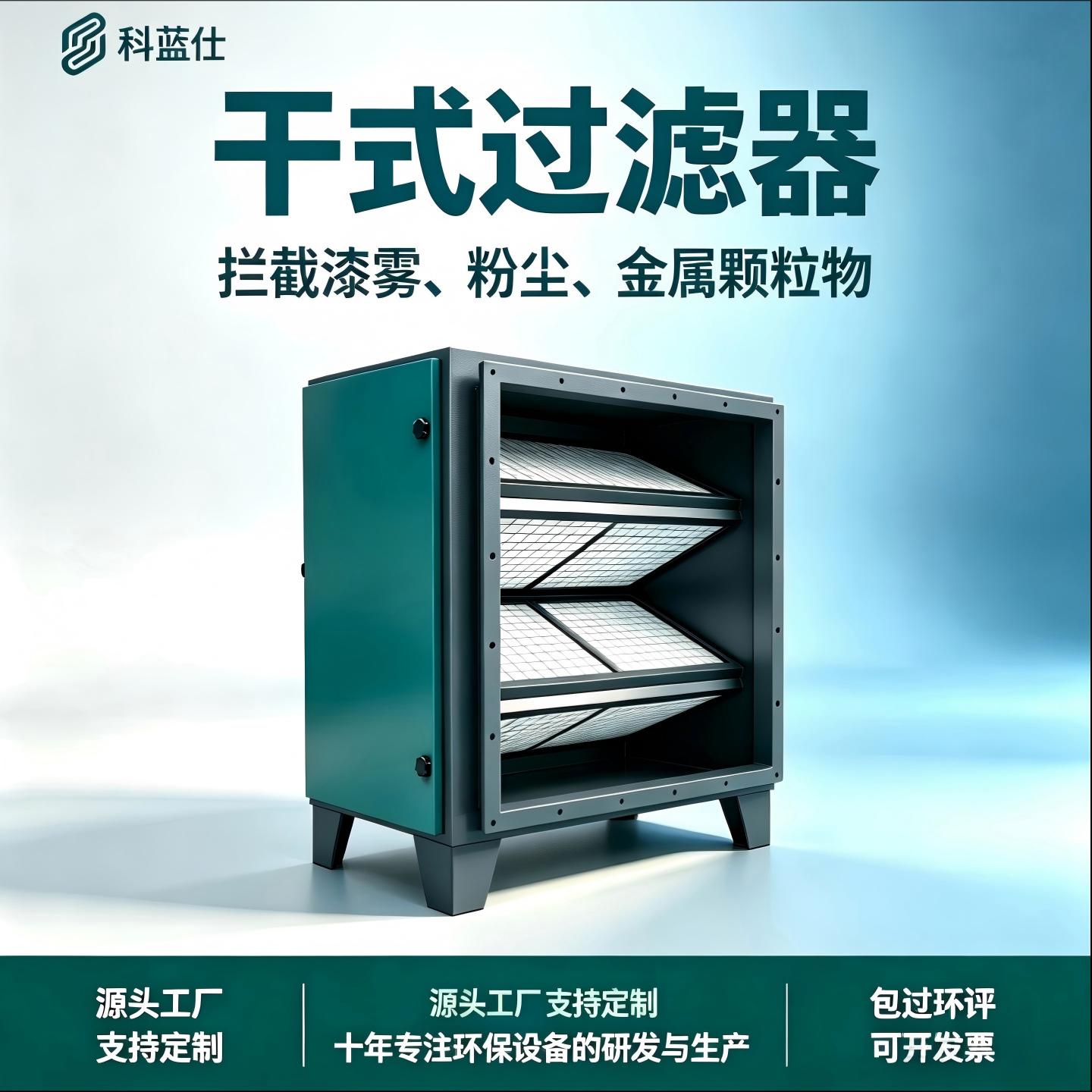
| Dry machining with fine particulate | Enclosed pickup and dry dust collection after chip separation. |
| Wet machining with visible aerosol | Mist collector or coalescing filtration, designed for coolant type. |
| Mixed machining area | Separate streams where possible; do not send oil mist into a dry dust collector without review. |
| Heavy chips | Handle at source; prevent large material from entering fine filters. |
Capture at the enclosure
CNC machine doors, service openings and coolant-sump vents determine the real capture path. Extraction should maintain enclosure control without pulling mist through openings toward the operator. A site review should document machine model, opening behavior, coolant, cycle time and whether several machines run together.
Maintenance and fluid management
Mist systems need drainage or return arrangements so collected liquid does not re-entrain. Dry systems need practical hopper access and differential-pressure monitoring. For either system, keep ducts short where sticky aerosol may deposit, and provide access points for inspection.
Request-for-quotation checklist
- Machine count, model and simultaneous operating pattern.
- Material, chip form, coolant type and presence of visible mist.
- Existing enclosure ports and available installation space.
- Target: worker exposure control, machine cleanliness, recirculation or outdoor discharge.
This distinction between chips, dust and oil mist prevents a very common failure: fitting a collector that is technically capable of moving air but is wrong for the material entering it.